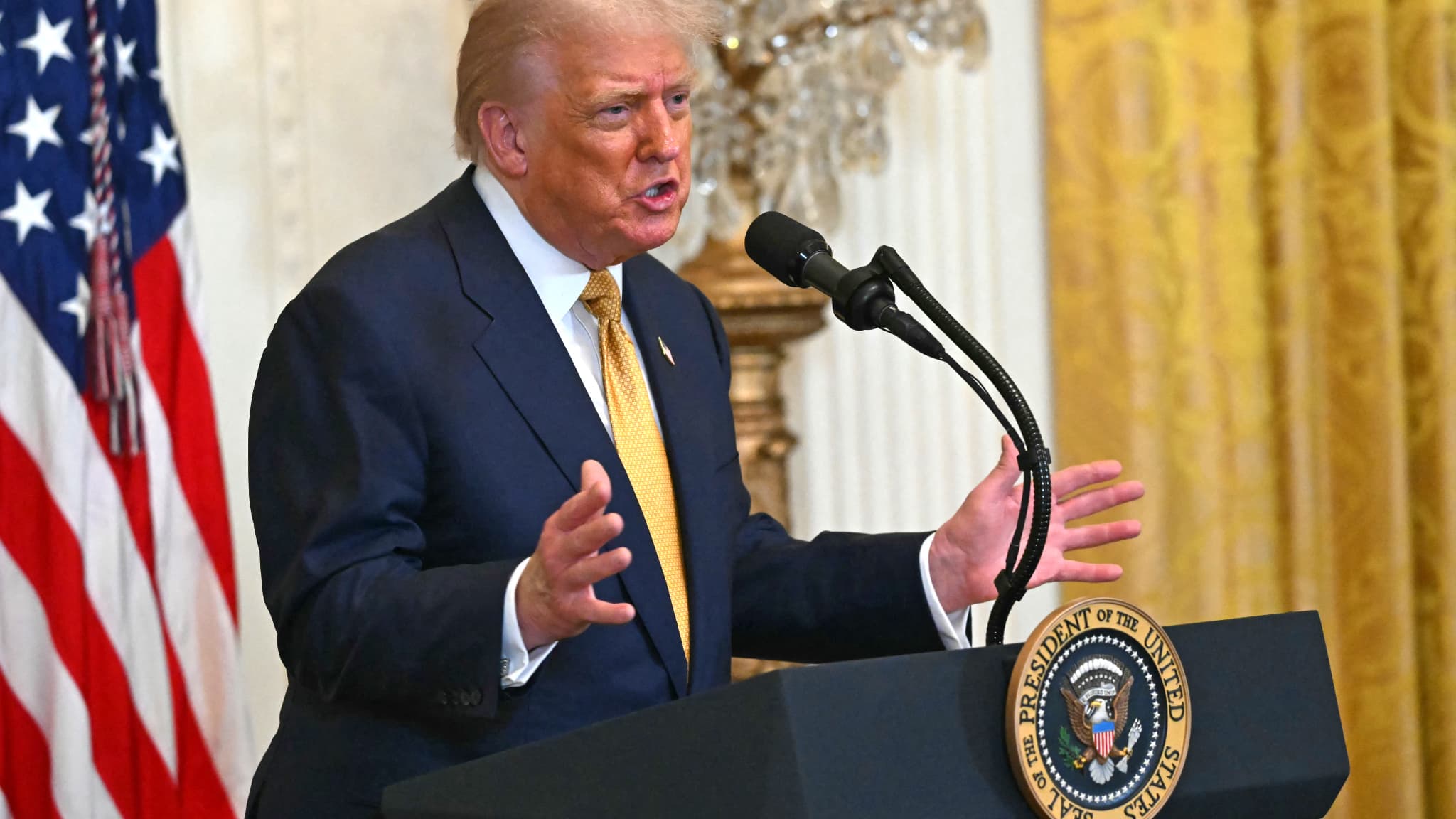
Trump told reporters in Evian-les-Bains that he aimed to avoid the legacy of Herbert Hoover, whose presidency coincided with the Great Depression. The conflict, which ignited on February 28 following U.S. and Israeli strikes, had sent energy prices soaring and threatened food supplies in developing nations. According to the president, the decision to halt bombing raids on Iran’s oil infrastructure was a calculated move to prevent a total market breakdown.
While a memorandum of understanding is currently in place, a senior U.S. official noted that either party could theoretically abandon the terms before a binding peace treaty is finalized. Economists remain cautious, noting that while the deal provides a path toward stability, restoring global trade flows and bunker fuel supplies will likely take months. Trump dismissed fears of a deeper recession, pointing to the resilience of the U.S. stock market, which actually climbed during the conflict, and highlighting that oil prices remained capped at roughly $120 per barrel rather than surging to the $350 levels some analysts had projected.



Comments (0)
No comments yet. Be the first!