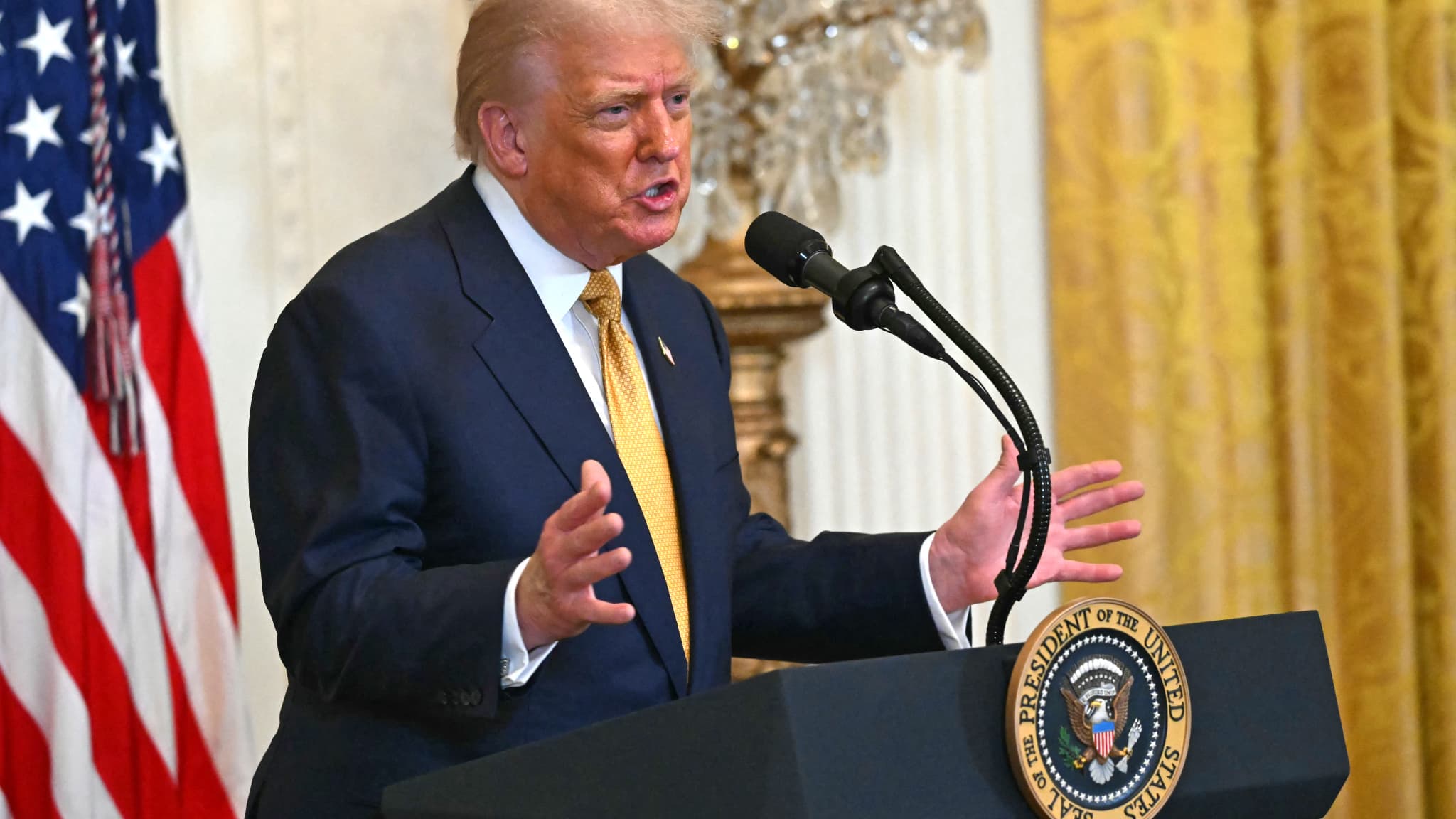
Speaking at the G7 summit in Evian-les-Bains, Trump characterized the deal as a mere memorandum of understanding rather than a final settlement. He warned that if Iran fails to behave, the United States will return to dropping bombs. While G7 leaders expressed support for the negotiations, the agreement—signed three days ago—has yet to be made public, leaving the specific obligations of both parties unclear.
In southern Lebanon, the situation remains volatile. Despite the memorandum calling for a cessation of hostilities, Israeli artillery and air strikes targeted several towns throughout the day. Lebanese security sources confirmed that Hezbollah responded with two drone attacks against Israeli positions. In Nabatieh, residents who had briefly returned to inspect their properties were forced to flee again as the city emptied out under the renewed bombardment. Local official Khodr Kodeih noted that the lack of basic necessities and the persistent violence continue to prevent any meaningful civilian recovery.
International pressure is mounting to stabilize the region, yet significant hurdles remain. Israel, which was not a party to the U.S.-Iran negotiations, maintains its right to use force and has rejected calls for an immediate withdrawal from Lebanese territory. Meanwhile, Trump faces potential political blowback at home; critics argue he has achieved few of his initial war objectives, as Iran’s nuclear infrastructure remains intact and its support for regional militias continues. As the Strait of Hormuz remains a focal point for global markets, oil prices dipped below $80 per barrel, reflecting cautious optimism for a potential reopening of critical shipping lanes.


Comments (0)
No comments yet. Be the first!