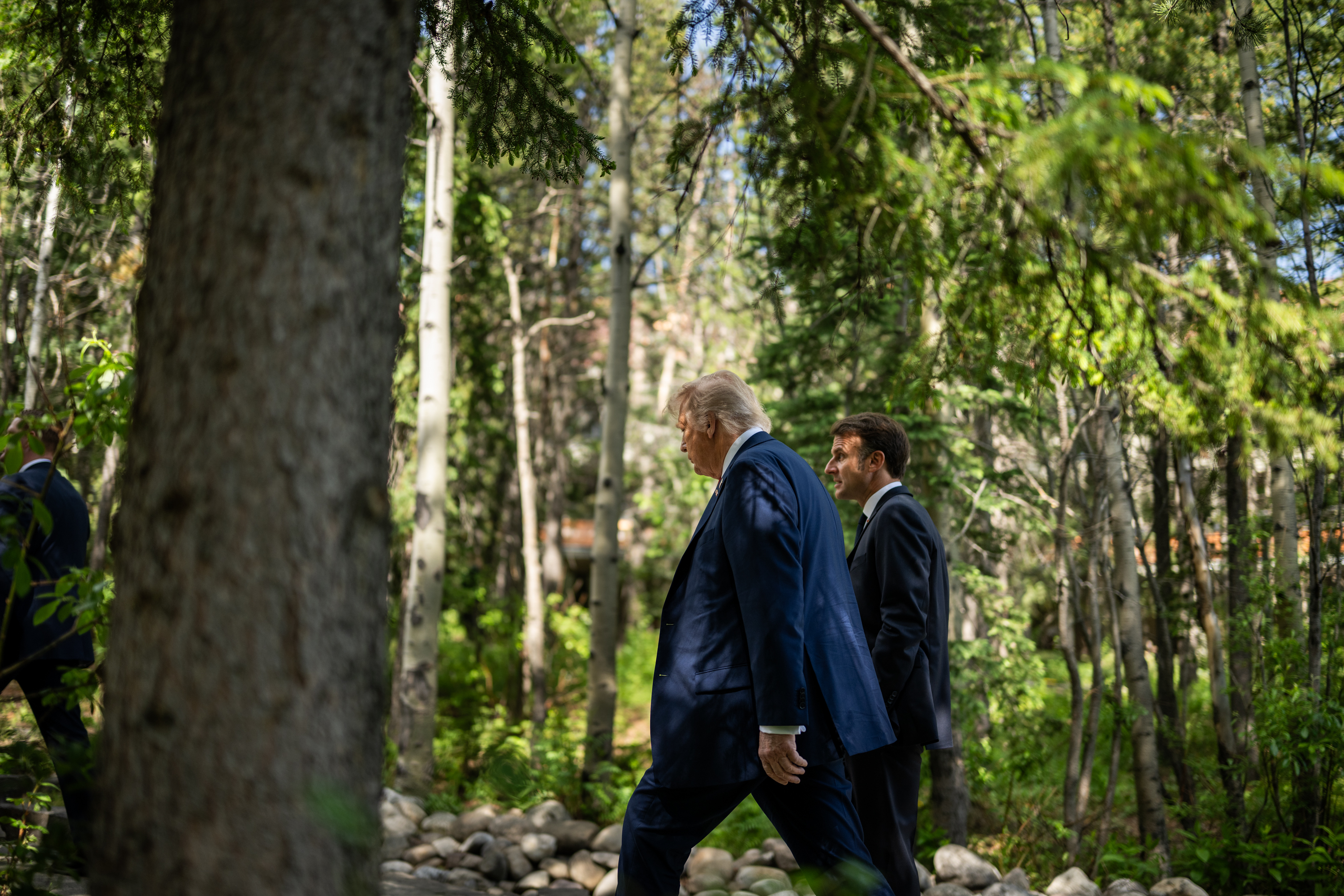
The summit’s joint statement signals a departure from the skepticism that defined the previous year’s meeting in Canada. By aligning with allies on a unified pledge of support and fresh sanctions, the U.S. appears to have warmed to President Volodymyr Zelenskiy’s argument that Russia currently lacks the leverage to dictate terms for peace. Canadian Prime Minister Mark Carney noted a distinct hardening in the American stance, describing the current approach as a more realistic assessment of the conflict’s trajectory.
While the diplomatic pivot toward Ukraine dominates the agenda, the summit also addresses broader economic volatility. Leaders are navigating a preliminary peace deal with Iran—though Trump warned that military action remains an option if the agreement falters—and tackling supply chain vulnerabilities. France is spearheading efforts to reduce Western reliance on China for critical minerals, a move prompted by Beijing’s recent export curbs on rare earths. Simultaneously, the G7 is grappling with significant macroeconomic imbalances, specifically China’s €360 billion trade surplus, and the regulatory challenges posed by the rapid integration of artificial intelligence.


Comments (0)
No comments yet. Be the first!