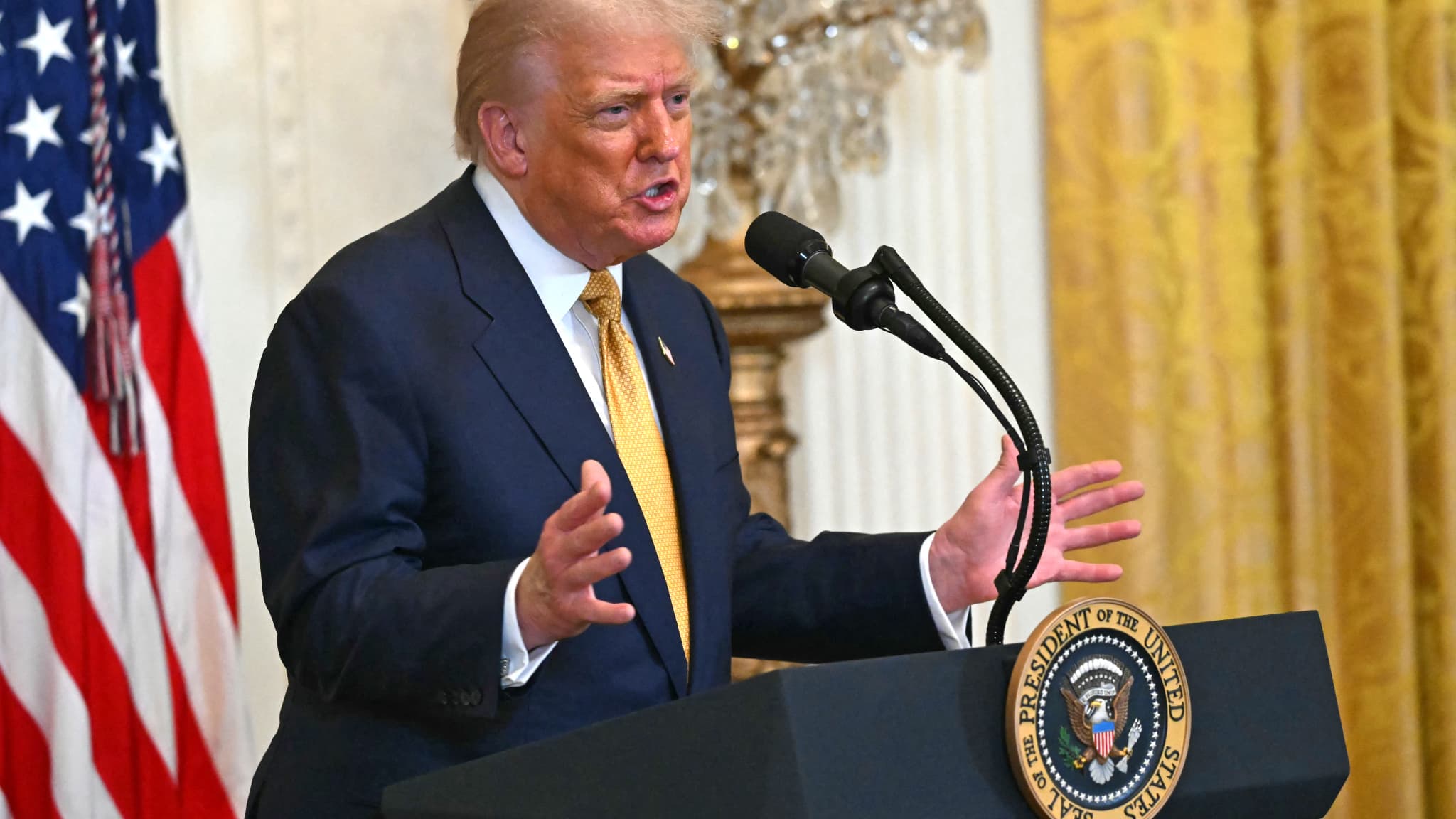
The interim agreement, set to be signed in Switzerland on Friday, extends an existing April truce by 60 days to facilitate negotiations. While the G7 leaders expressed support for the deal, welcoming the prospect of reopening the Strait of Hormuz to stabilize oil prices, the political reality remains volatile. Tehran retains its nuclear infrastructure and ballistic missile capabilities, leaving Trump vulnerable to criticism from Republican hawks ahead of the November midterm elections.
Complicating the accord is the unresolved status of southern Lebanon, where Israeli forces continue to occupy territory following a March invasion. Despite the G7’s formal call for an immediate ceasefire and the disarmament of Hezbollah, Israel remains excluded from the U.S.-Iran talks and has vowed to maintain its military presence. This diplomatic exclusion has created a public rift between Washington and Prime Minister Benjamin Netanyahu’s government, casting doubt on whether the temporary halt in hostilities can evolve into a lasting regional settlement.



Comments (0)
No comments yet. Be the first!