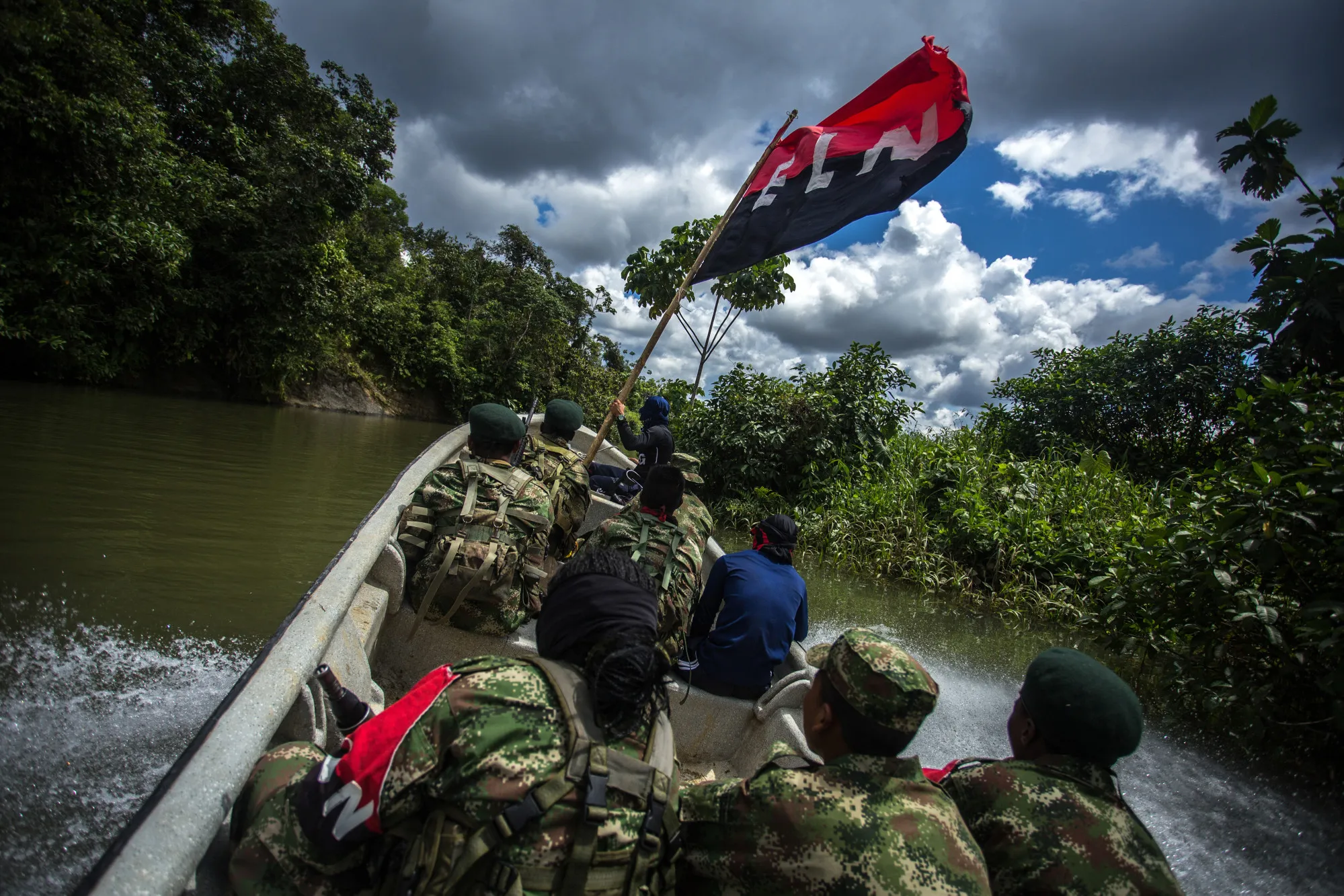
The ELN, currently nearing its 62nd anniversary, occupies a complex position in Colombian politics. While the group maintains a willingness to engage in dialogue, its leadership remains defiant regarding the potential rise of right-wing candidates who have pledged to dismantle the organization through force. Commander Yerson, a leader of the Western War Front, asserts that the group has developed a resilient infrastructure over decades of conflict, rendering it immune to total erasure by state offensives.
Despite these overtures to peace, the reality on the ground remains volatile. Security sources point to a fragmented chain of command and persistent internal disagreements as primary obstacles to any lasting agreement. The group continues to rely on controversial funding streams, including what Yerson terms "economic detentions"—a euphemism for kidnapping—and the taxation of illegal mining and drug trafficking operations. While the ELN denies direct involvement in cocaine production, its presence in resource-rich regions like Choco ensures a steady flow of revenue, even as it faces accusations of human rights abuses from international bodies like the European Union and the United States.
As the country awaits its next leader, the ELN claims to have modernized its weaponry and expanded its territorial reach significantly during recent years. Yerson signaled that should a new right-wing government take power, the rebels are prepared to align themselves with potential grassroots opposition, further complicating the internal security landscape. For now, the group remains entrenched, insisting that any future peace deal must prioritize structural land reform and the removal of extractive industries to satisfy their core ideological demands.


Comments (0)
No comments yet. Be the first!