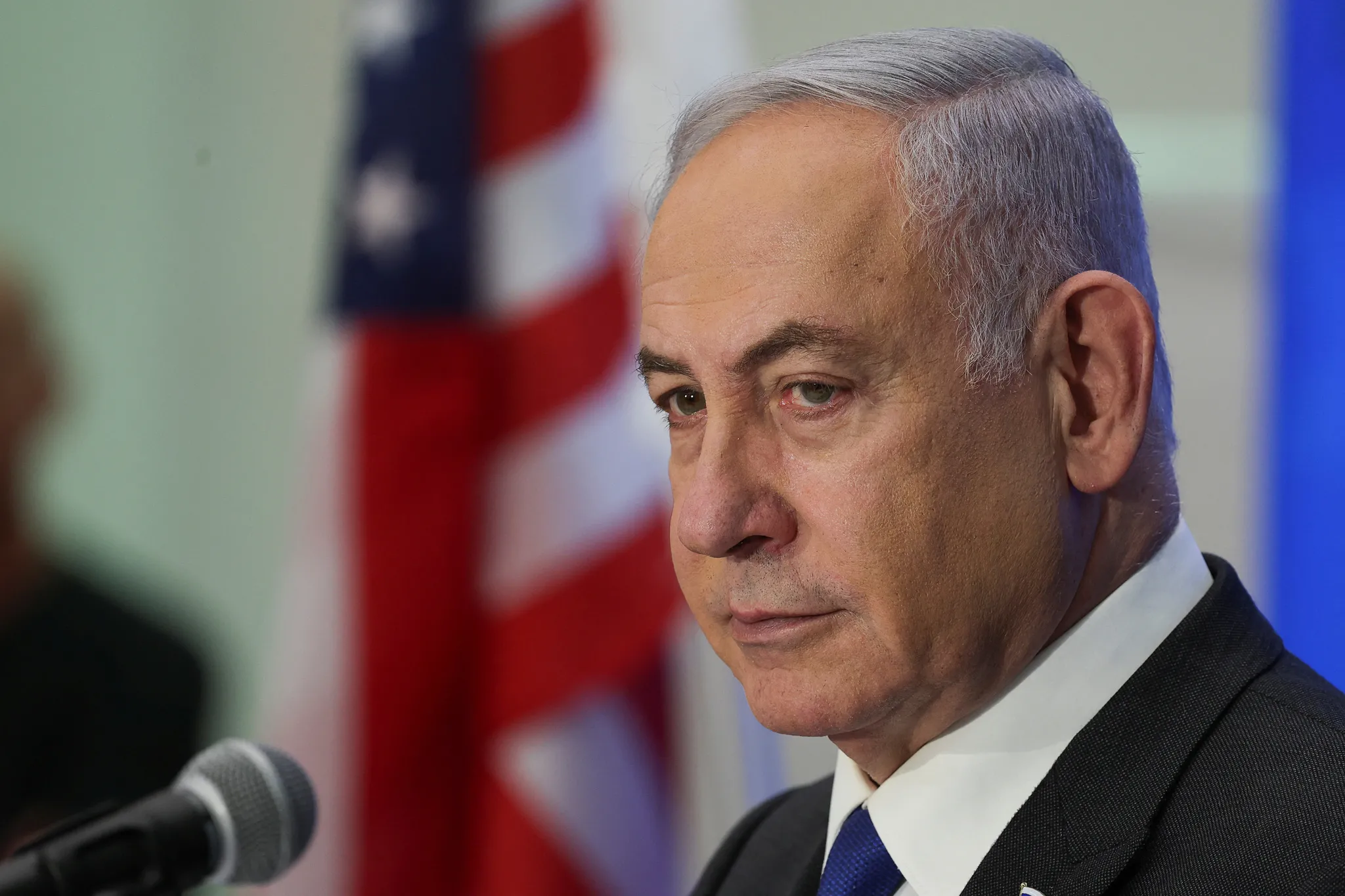
The 76-year-old leader has confirmed he will seek another term, despite opinion polls suggesting his right-wing coalition is faltering. His political identity has long been anchored in his image as an unyielding security hawk, yet the October 7, 2023, Hamas attack and subsequent conflicts have left his record under intense scrutiny. While the military eliminated high-profile targets like Hezbollah’s Hassan Nasrallah, critics—including opposition leader Yair Lapid—argue that Netanyahu failed to secure a lasting strategic victory, leaving Hamas in control of Gaza and Tehran’s leadership intact.
His relationship with the United States has become an additional liability. Tensions with the White House have escalated, with reports of personal friction between Netanyahu and U.S. leadership undermining the bipartisan support he once relied upon. Facing an International Criminal Court arrest warrant and domestic outcry over his handling of the war, Netanyahu remains defiant. He dismisses accusations of war crimes as absurd, framing his tenure as a necessary defense against existential threats. However, with his legacy currently defined by intense polarization and internal strife, the upcoming election serves as a referendum on whether Israel remains committed to his brand of combative, hawkish governance or seeks a radical change in direction.


Comments (0)
No comments yet. Be the first!