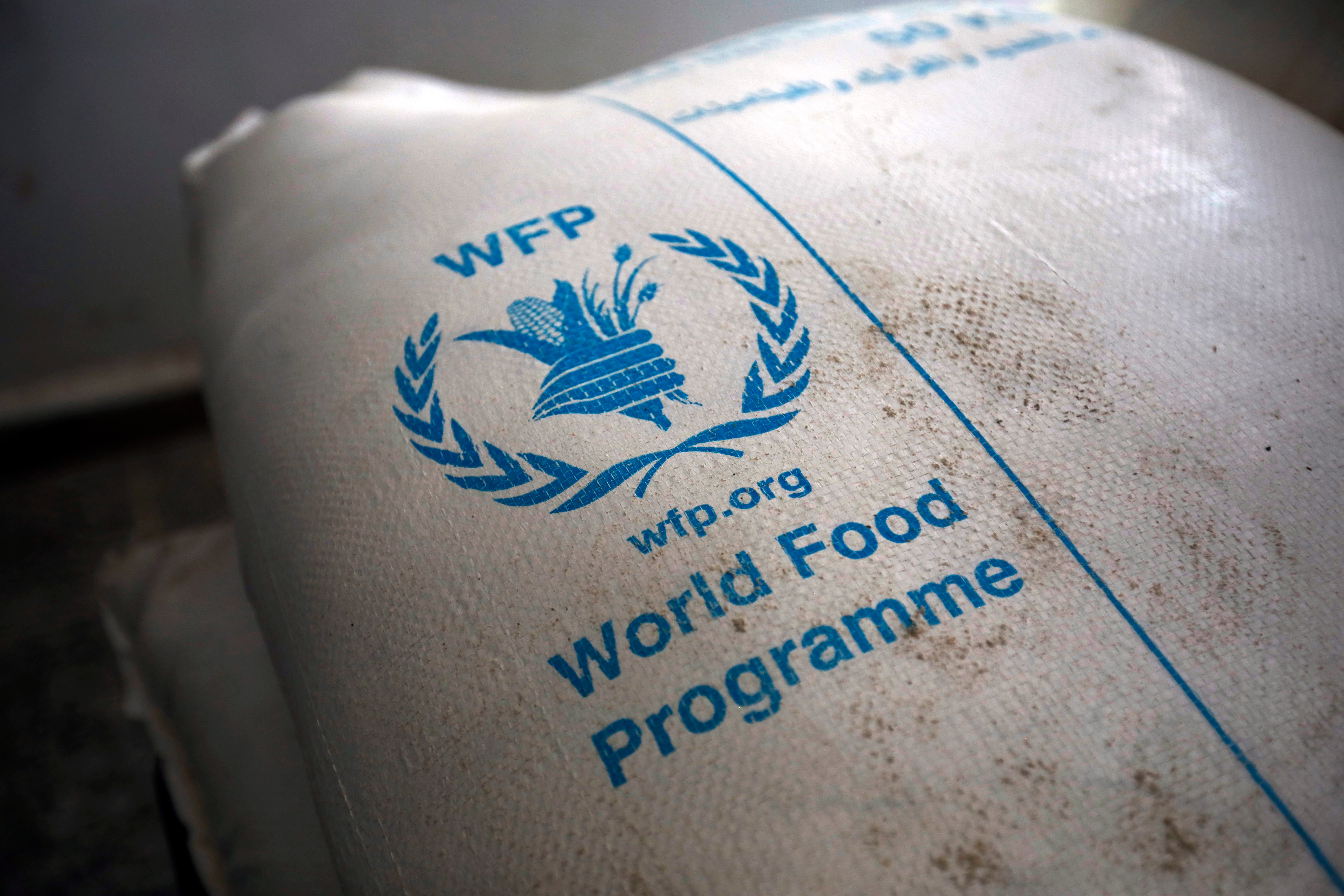
The contribution arrives as the agency manages an era of historic global hunger, fueled by persistent conflict and climate instability. While the United States remains the world's largest humanitarian donor, the landscape of aid has grown increasingly erratic. In 2025, U.S. humanitarian spending fell from $14.1 billion to $3.38 billion, with specific contributions to the WFP dropping to approximately $2 billion. Such fluctuations complicate long-term logistics for an agency currently operating under interim leadership following the resignation of Cindy McCain.
This reliance on a handful of major state donors creates structural fragility. The recent funding helps secure immediate operations, including cash assistance and the pre-positioning of food supplies, yet it highlights a growing trend of aid being treated as a flexible policy instrument rather than a stable commitment. For humanitarian organizations, the unpredictability of these budgets makes planning for multi-month crises nearly impossible. As demand for assistance continues to outpace available resources, the global system remains tethered to the shifting domestic priorities of key economies, leaving millions of vulnerable individuals at the mercy of sudden budgetary pivots.


Comments (0)
No comments yet. Be the first!