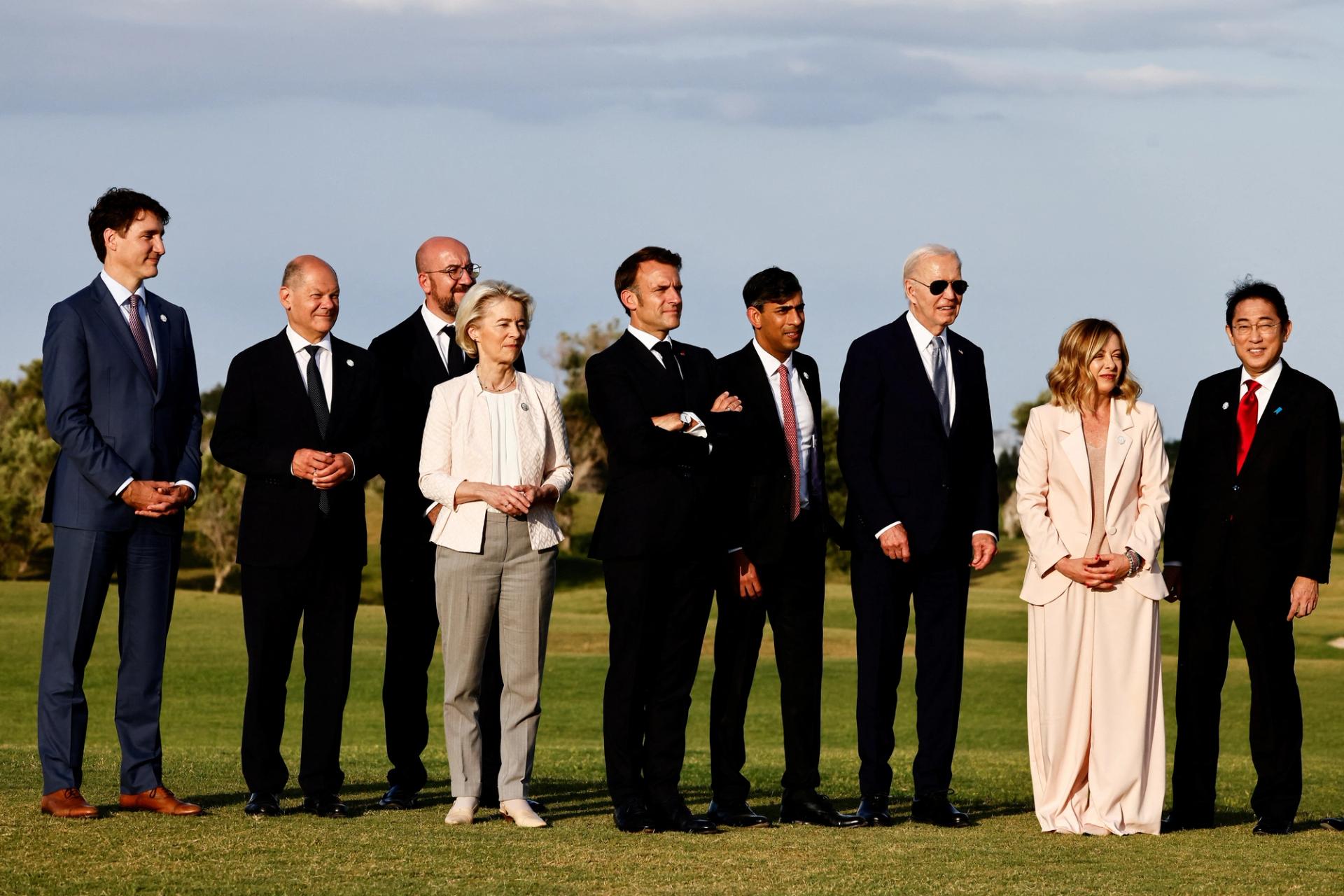
The summit underscores a fundamental recalibration of Western policy, where economic security is increasingly viewed as inseparable from national sovereignty. By pledging to bolster sanctions against Russia while simultaneously coordinating trade defense tools against Chinese manufacturing overcapacity, the bloc is attempting to replace ad-hoc responses with long-term industrial policy. This coordination remains fragile, however, as domestic political pressures within member nations—particularly the United States—frequently complicate the execution of collective goals.
Energy security and technology governance have emerged as the new pillars of this expanded mandate. Following disruptions near the Strait of Hormuz, the G7 is prioritizing the diversification of energy routes and the expansion of strategic reserves. Simultaneously, the inclusion of AI industry leaders in the dialogue signals that the group now views the regulation of artificial intelligence as a core geopolitical imperative, comparable in weight to traditional trade and defense agreements. The success of this transition into a cohesive economic bloc will depend on whether members can reconcile their individual industrial interests with these broader, systemic strategic objectives.
/nginx/o/2025/10/27/17242195t1h61eb.jpg)


Comments (0)
No comments yet. Be the first!