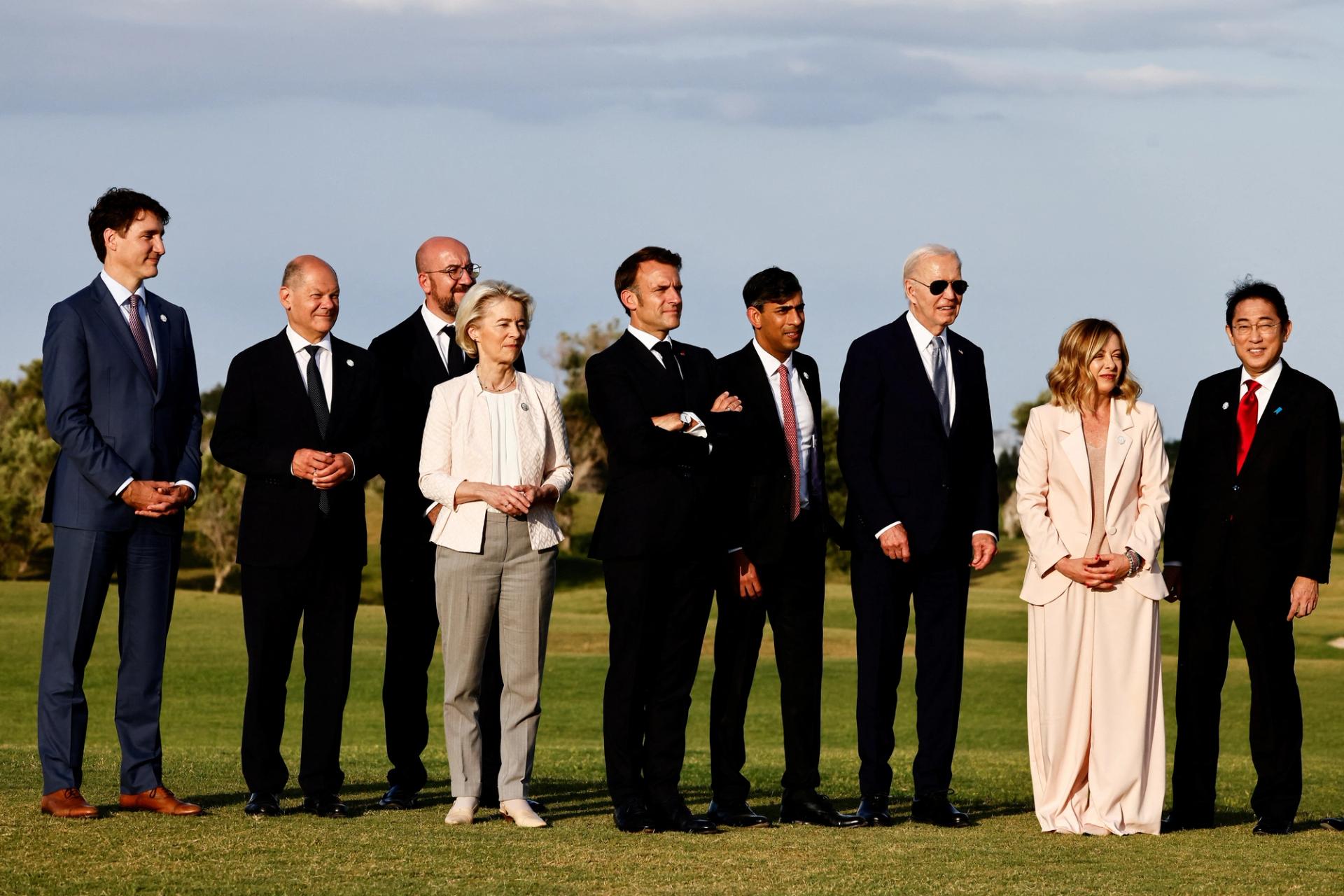
The summit’s focus shifted rapidly from regional conflict to the broader challenge of Western economic sovereignty, particularly regarding critical minerals. With China exerting tighter control over rare earth exports, G7 nations are exploring new frameworks to reduce reliance on Beijing. Officials are weighing measures ranging from price supports to guaranteed off-take agreements to insulate vital industries from potential export curbs. This push for independence is underscored by a record €360 billion trade deficit between the EU and China, fueling European alarm over what analysts characterize as a second wave of industrial competition.
Beyond trade, the summit addressed deep-seated global imbalances, with leaders debating the friction between Chinese overproduction, American consumption, and European under-investment. As the G7 turns its attention to the rapid development of artificial intelligence, leaders have invited industry figures including Sam Altman and Dario Amodei to discuss the governance and liability of emerging technologies. While the summit produced a display of cohesion, the path toward a unified trade bloc remains complicated by the competing domestic agendas of member states.
/nginx/o/2025/10/27/17242195t1h61eb.jpg)


Comments (0)
No comments yet. Be the first!