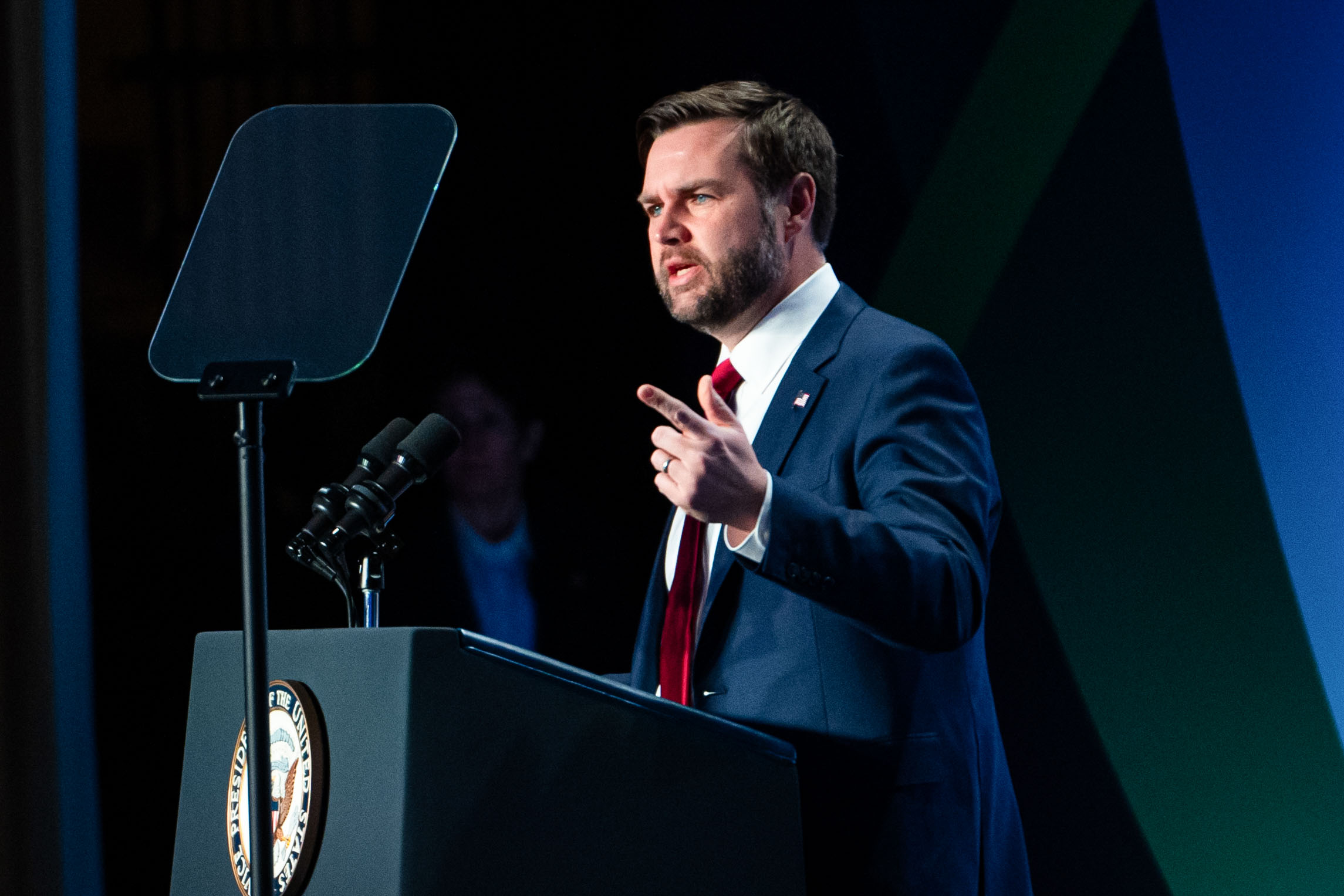
The controversy centers on a proposed $300 billion private investment vehicle intended to stimulate Iran's economy. While some reports characterized this as a direct capital injection, Vance dismissed such claims during an appearance on The Megyn Kelly Show. He explained that the mechanism is designed to allow allies, such as the United Arab Emirates, to fund projects like nuclear power plants by lifting specific global financial sanctions. According to Vance, these investments will only materialize if Iran adheres to the negotiated peace framework.
Contrasting with the narrative of government grants, the fund is described as a private-sector initiative. Sources indicate that companies across Asia, Africa, South America, and the Gulf Arab states have pledged capital for sectors including energy, logistics, and manufacturing. This initiative remains separate from the broader diplomatic track involving the release of frozen Iranian assets and the total removal of existing US sanctions. Officials noted that the fund will remain dormant until a final peace agreement is ratified, with administrators currently scoping potential projects during a 60-day memorandum period. Tehran, which holds significant oil and gas reserves, had initially sought $400 billion in direct war reparations, a request Washington formally rejected.



Comments (0)
No comments yet. Be the first!