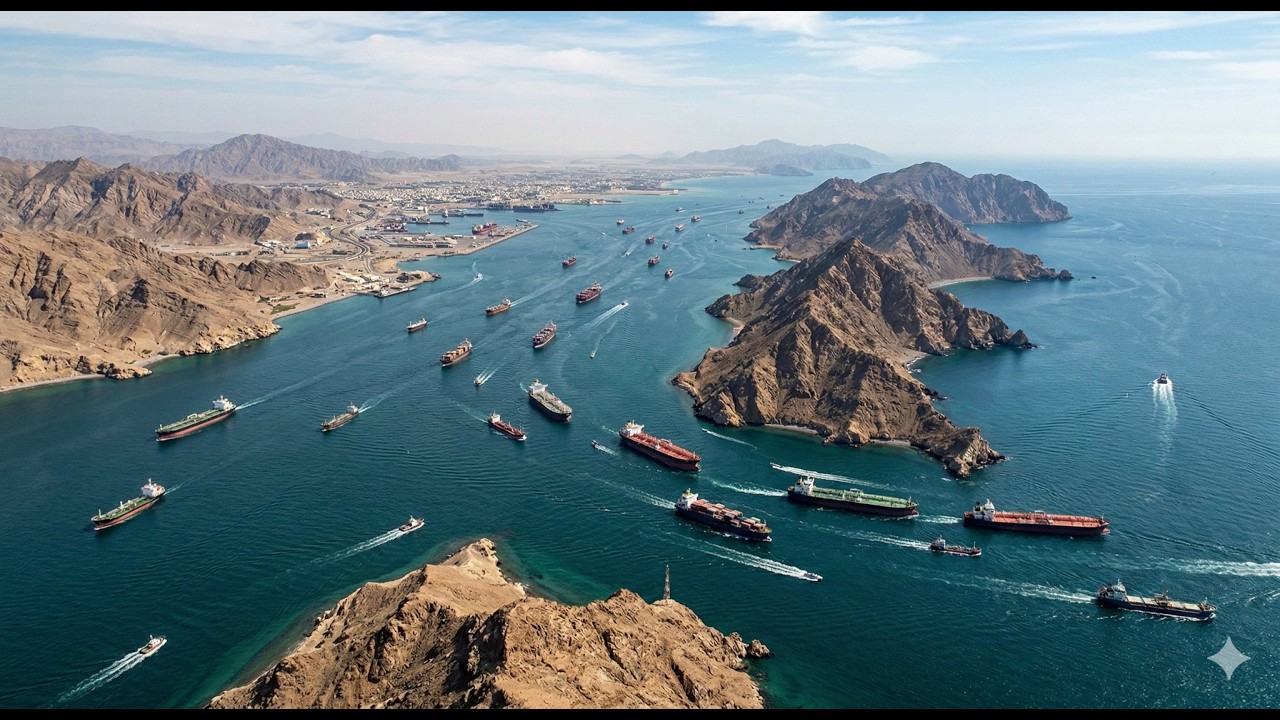
The agreement marks a pivot toward regional stability that aligns with China’s broader energy and economic security needs. Central to the memorandum is a permanent ceasefire, the removal of naval blockades, and the reopening of the Strait of Hormuz—a vital artery for global energy supplies. With the first phase concluded, the focus shifts to a 30-to-60-day window for negotiations concerning Iran’s uranium enrichment program and the potential lifting of sanctions, a process leading toward a formal signing in Geneva.
Beijing’s motivation remains rooted in the Belt and Road Initiative, where Iran serves as a strategic geographic hub. Fearing that military escalation would jeopardize both its infrastructure investments and steady oil imports, China utilized its diplomatic weight to nudge Tehran toward concessions. This approach serves a dual purpose: securing energy corridors while positioning China as a responsible, multilateral alternative to American unilateralism. Despite these gains, the path forward remains complex as Beijing navigates ongoing friction with Washington, particularly concerning the classification of Chinese technology firms, making its role as a regional mediator a delicate act of strategic balancing.


Comments (0)
No comments yet. Be the first!