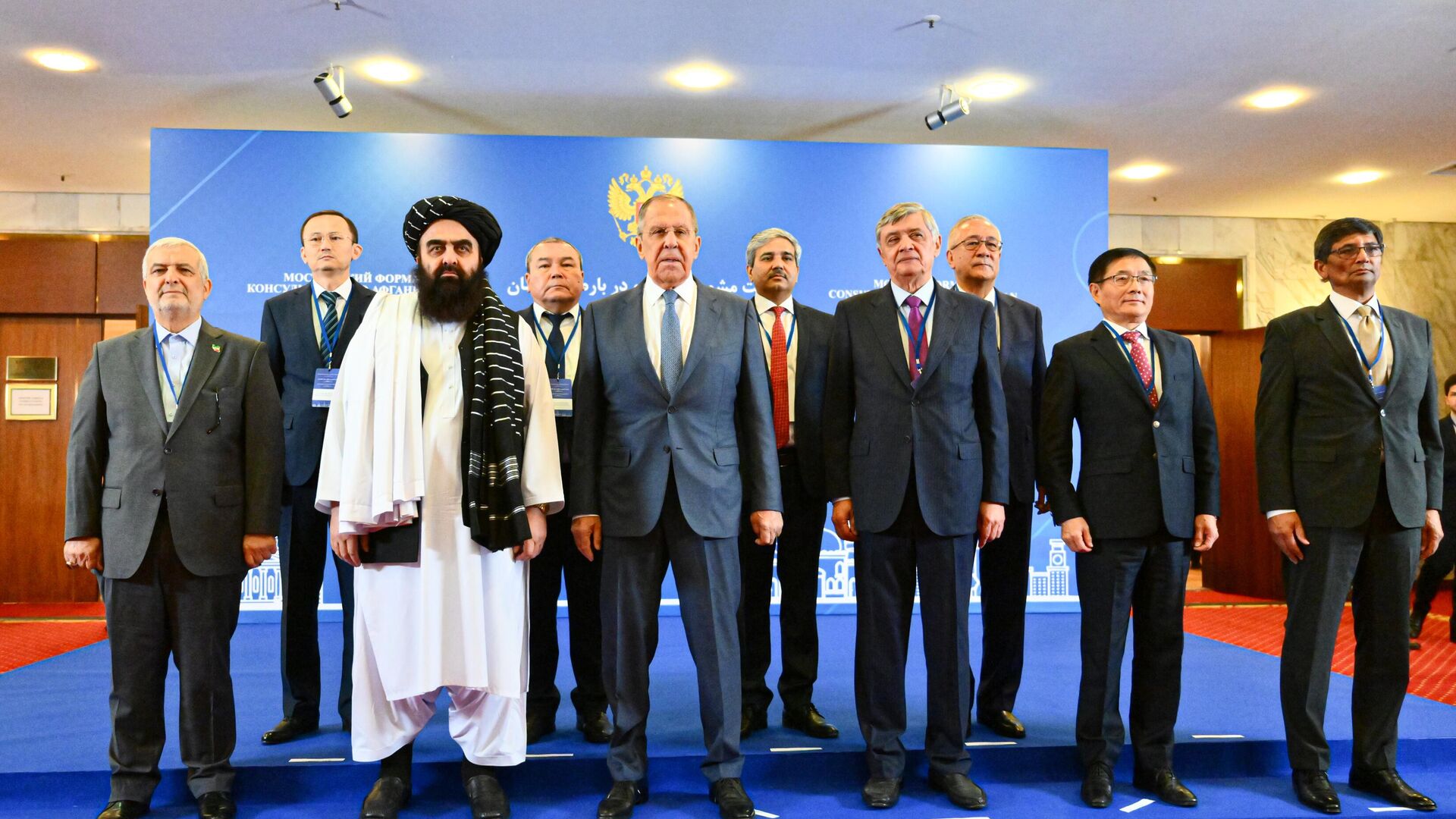
The Kremlin’s strategy is rooted in a pragmatic response to Islamic State Khorasan (IS-K), the group responsible for the 2024 Crocus City Hall bombing that killed nearly 150 people. For Moscow, the Taliban represents the only force capable of exercising territorial control to prevent state collapse and contain extremist proliferation near Central Asia. By removing the Taliban from its list of terrorist organizations in April 2025, the Russian Supreme Court cleared the legal path for intelligence sharing and military coordination, signaling that the partnership is a calculated institutional choice rather than an impulsive diplomatic gesture.
The Security Dilemma
Despite the formal alliance, the strategy is riddled with internal contradictions. Russian officials have publicly acknowledged that between 18,000 and 23,000 militants from various groups remain active within Afghanistan. This forces Moscow into a precarious arrangement: cooperating with a regime that hosts the very infrastructure fueling regional insecurity. The actual depth of this military cooperation remains opaque, as neither party has disclosed the terms of the agreement. While some analysts view the deal as a symbolic effort to secure a buffer against Western influence, others question whether the Taliban possesses the genuine capacity or will to act as an effective counter-terrorism partner. As Russia bets on the Taliban to stabilize its southern flank, the long-term effectiveness of this partnership hinges on whether the group can suppress internal threats without further empowering extremist elements in the process.


Comments (0)
No comments yet. Be the first!