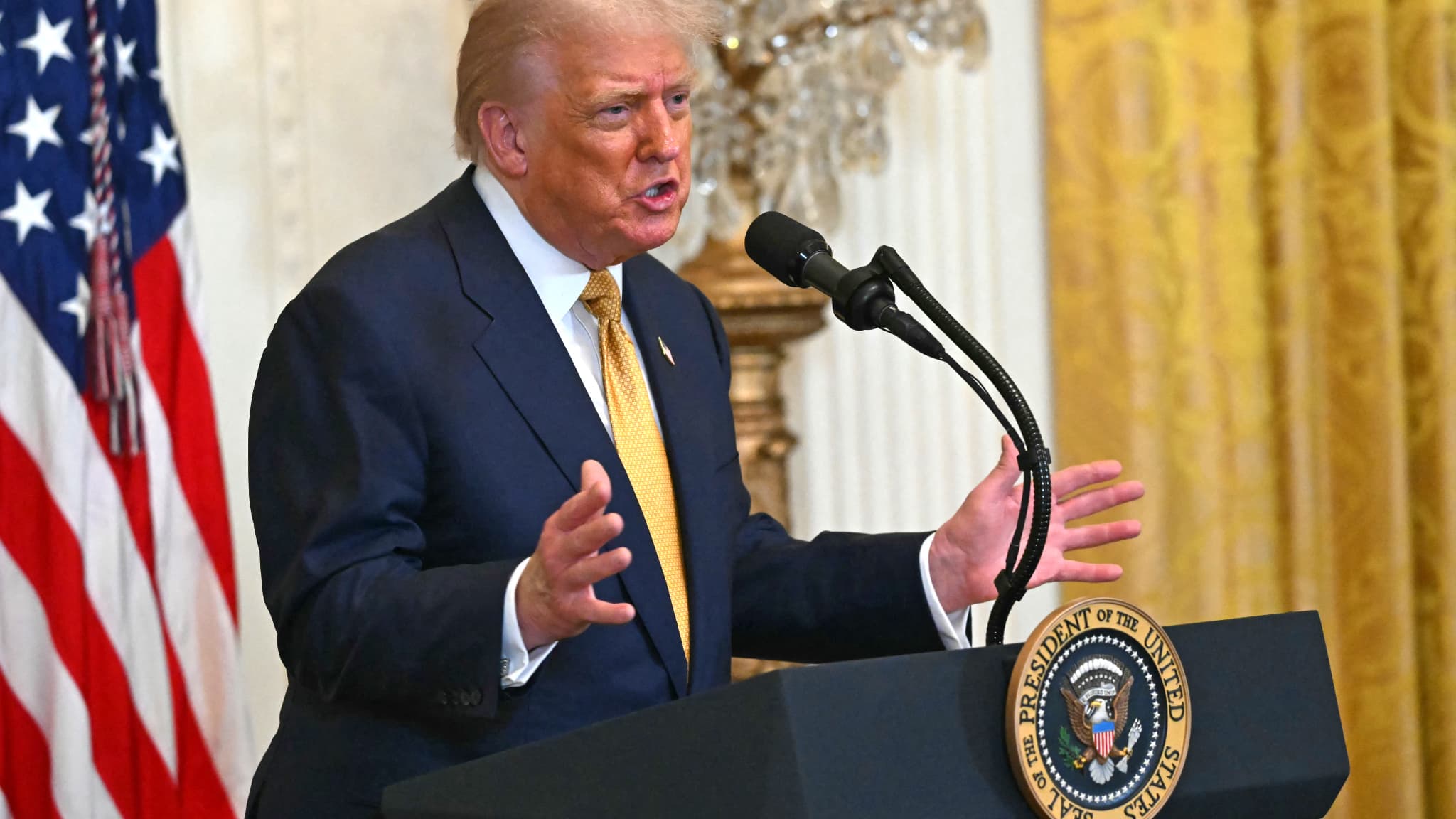
The legislative breakthrough follows eleven months of stalling that had pushed transatlantic relations to a breaking point. Under the original agreement, the European Union committed to slashing tariffs on U.S. industrial goods while expanding market access for American farm produce. In a reciprocal gesture, the U.S. administration agreed to stabilize duties on European exports at a 15% ceiling.
The delay in ratification had prompted fresh threats from the White House, with the U.S. president warning that failure to act by Independence Day would trigger retaliatory measures. By clearing these hurdles, Brussels seeks to stabilize a volatile trade partnership and avert a broader escalation that threatened to disrupt the flow of goods across the Atlantic.




Comments (0)
No comments yet. Be the first!