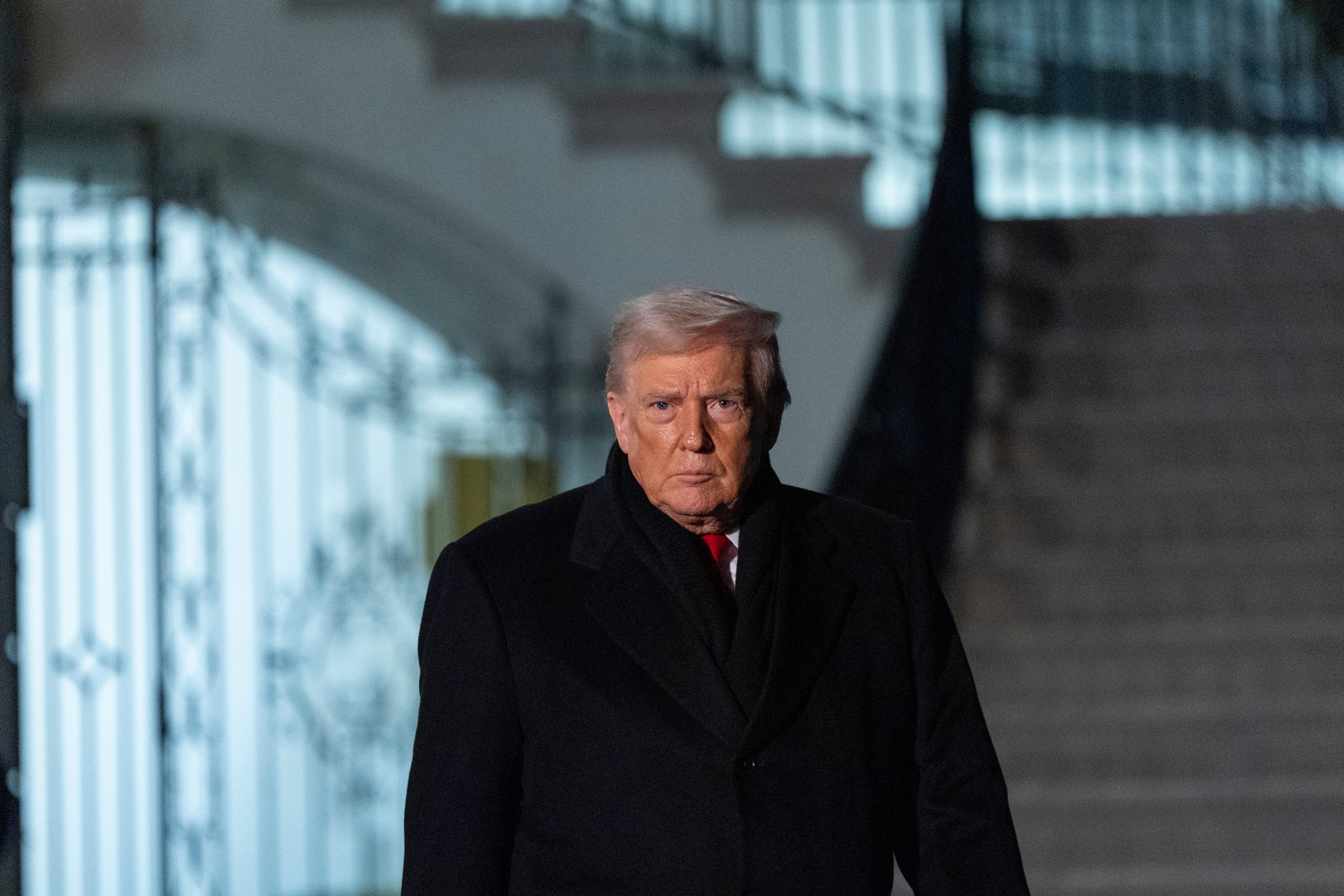
The proposed Sanctioning Russia Act, designed to target nations purchasing Russian crude or facilitating sanctions evasion, has triggered a legislative standoff. While the bill cleared initial Senate hurdles with bipartisan support, the inclusion of broad tariff powers—a move intended to replace authorities curtailed by the Supreme Court—has alienated senior Democrats and skeptical Republicans alike. Critics, including Senator Ron Wyden and Representative Richard Neal, warn that the measure acts as a prescription for economic instability, potentially fueling inflation and disrupting existing multilateral coalitions that have coordinated the response to the war in Ukraine.
The White House remains committed to the tariff strategy, even conditioning its support on the inclusion of extended Iran energy sanctions. However, the political climate remains volatile. With congressional elections approaching and Democrats eyeing a potential shift in power, many lawmakers are hesitant to codify such sweeping executive authority. Former congressional aide Mayur Patel noted that the bill faces a steep climb in the House, where concerns over the scope of the President's trade powers have already led to lobbying for specific industry exemptions. Ukraine’s ambassador, Olha Stefanishyna, has urged for rapid progress to meet critical winter needs, yet the legislative focus remains squarely on the conflict between human rights sanctions and the precedent-setting nature of these secondary tariffs.


Comments (0)
No comments yet. Be the first!