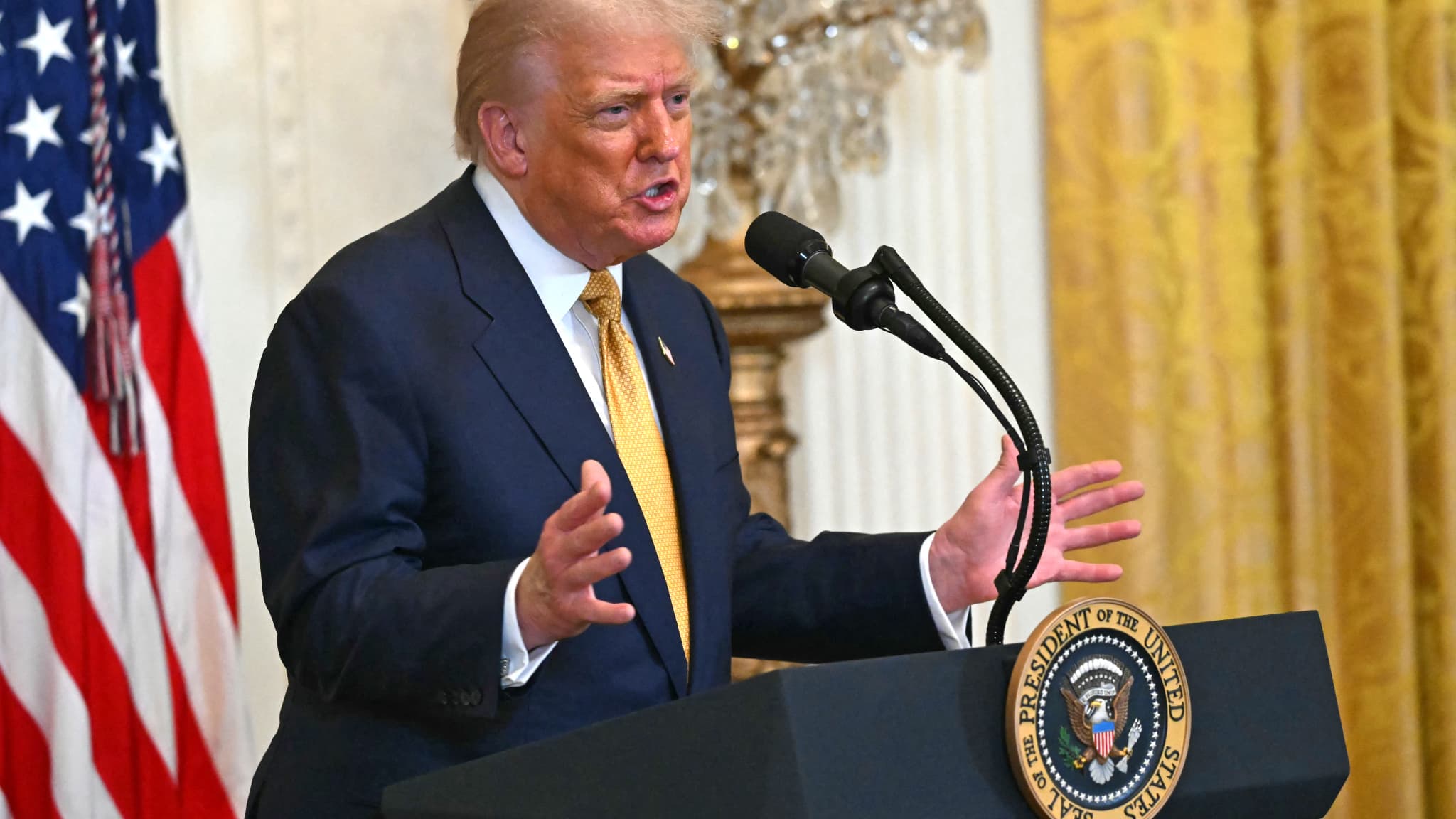
The volatility observed during the U.S.-Israeli strikes and the subsequent blockade of the Strait of Hormuz revealed a fundamental shift in commodity trading. Rather than reacting solely to the physical disappearance of crude, market participants operated under the influence of a so-called 'Trump put'—the firm belief that Washington would intervene to prevent an inflationary energy shock. This sentiment suppressed the expected price ceiling, turning potential catastrophe into a managed, albeit volatile, correction.
Global energy systems displayed unexpected resilience as strategic reserves and commercial stocks were deployed to fill the void. Simultaneously, weakening demand from China and other Asian importers acted as a natural brake on price escalation. While the preliminary U.S.-Iran agreement to reopen shipping lanes provided a necessary exit, the market now faces a precarious recovery period. Inventories were depleted at a record pace, and the race to replenish them against returning supply flows creates a high probability of renewed instability. The episode underscores a new reality where political expectations are now as potent as physical barrels in dictating global energy prices.


Comments (0)
No comments yet. Be the first!