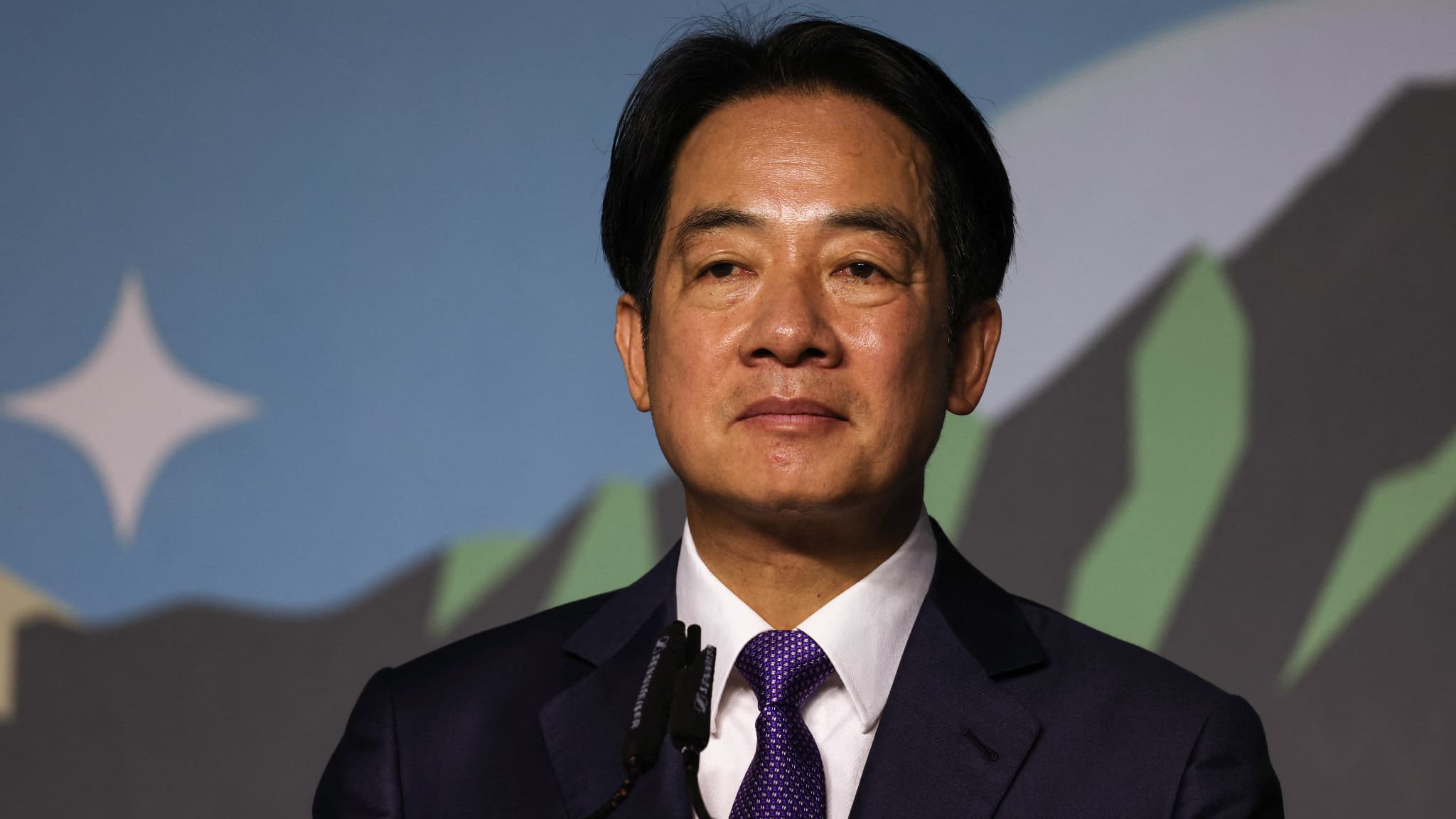
The executive branch’s strategy hinges on an ambitious pivot toward mobile, cost-effective technologies like drones and advanced missile systems. While the current administration aims to lift defense spending to 5% of GDP by 2030, parliamentarians have signaled a preference for traditional U.S.-made hardware, effectively gutting funding for domestic development programs. This friction underscores a deepening political divide, pitting the president’s desire for a self-reliant deterrent against a legislature wary of fiscal overreach.
Washington remains a central, if complicated, player in this calculus. U.S. officials continue to push Taipei to prioritize agile, asymmetric capabilities, citing lessons from recent global conflicts. Yet, the budget impasse risks stalling these critical procurement cycles at a moment when air and maritime incursions near the island have become routine. For President Lai, the challenge is now two-fold: maintaining credible deterrence against China while navigating a domestic political landscape that is increasingly resistant to his long-term security roadmap.


Comments (0)
No comments yet. Be the first!