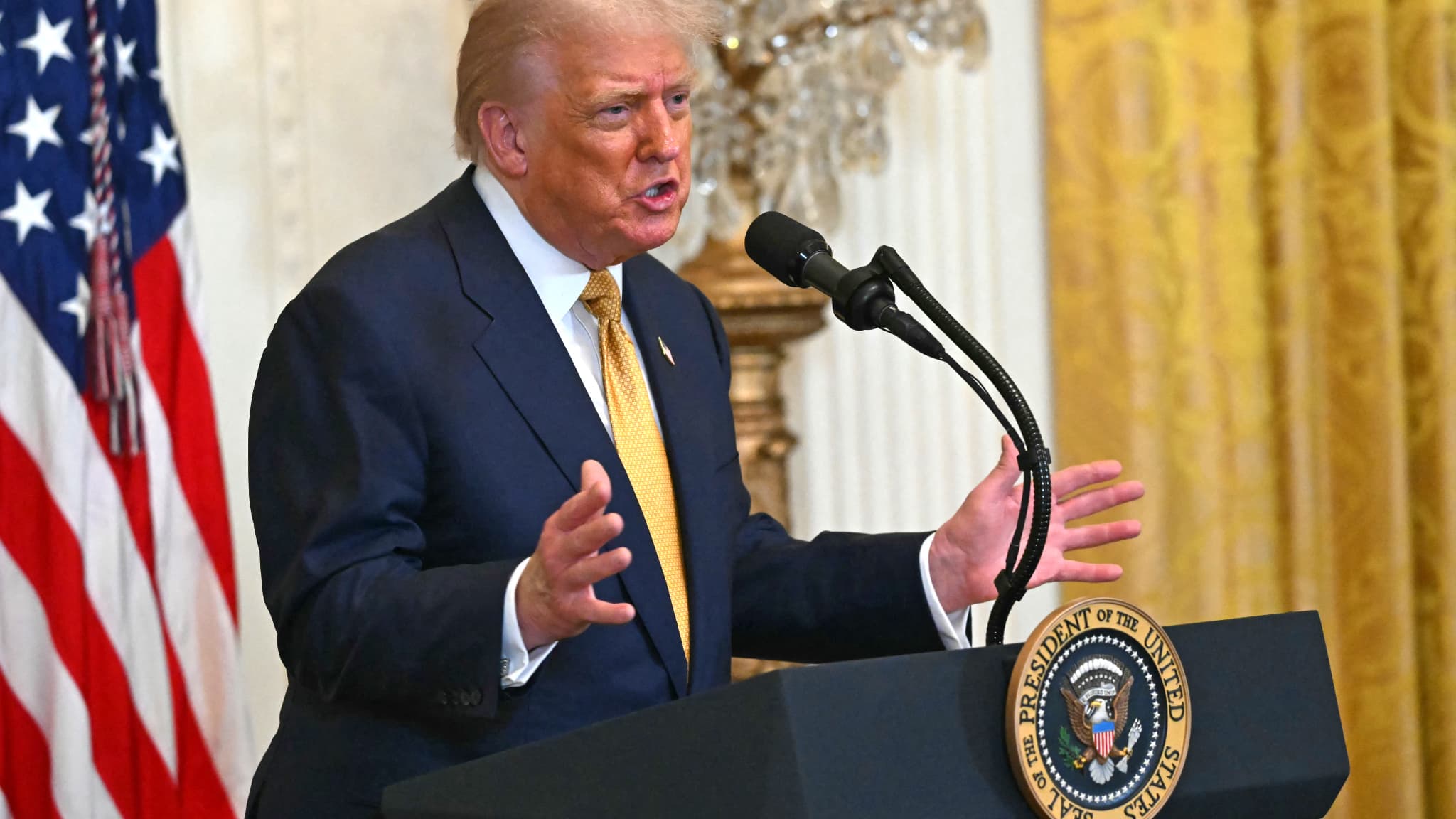
The reopening of the Strait of Hormuz serves as a primary pillar of the arrangement. President Donald Trump confirmed orders to lift the blockade on Iranian ports, while Tehran indicated that maritime traffic would resume under a coordinated regulatory framework involving Oman. This de-escalation effort aims to stabilize regional shipping lanes that have faced significant disruption.
Nuclear negotiations remain the most complex hurdle. Iran has committed to freezing current enrichment activities and halting facility expansion while final terms are hammered out. Although the US expects a rigorous inspection regime, Senator Lindsey Graham emphasized that any binding nuclear accord must face congressional review. Regarding economic measures, the parties reached a temporary impasse on financial specifics; while Iranian officials claim the US agreed to release $25 billion in frozen assets, President Trump publicly countered that no direct cash transfers are currently authorized.
The situation in Lebanon remains fraught with conflicting claims. While Iranian and Pakistani officials announced a total halt to military operations, Israeli Defense Minister Israel Katz stated that Israeli forces would maintain positions in captured security zones across Lebanon, Syria, and Gaza. This divergence highlights the significant friction that remains between the framework deal and the operational realities on the ground.


Comments (0)
No comments yet. Be the first!