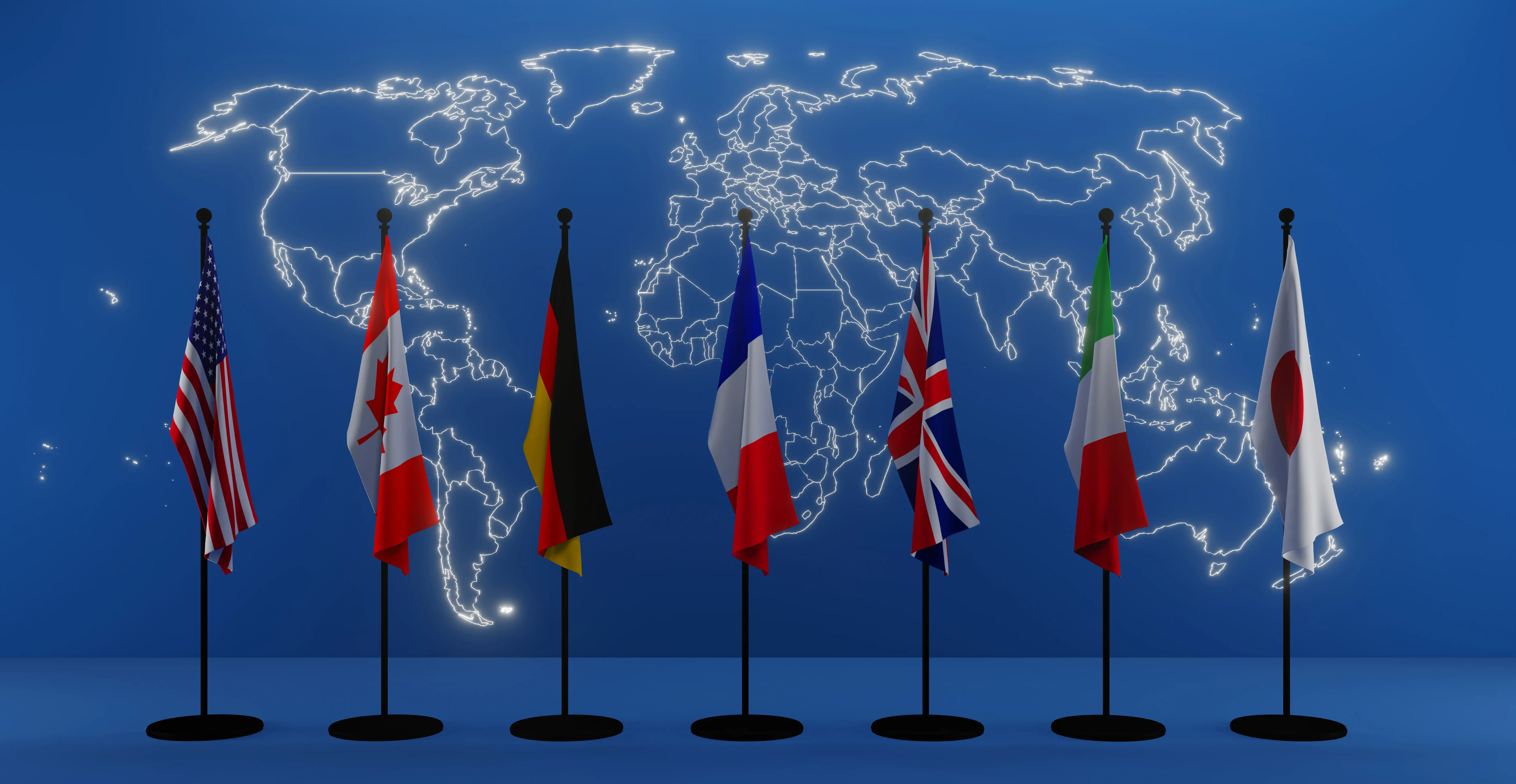
The gathering marks a departure from typical economic coordination, pivoting toward acute security crises. The U.S.-Iran deal has exposed deep-seated fractures among allies, fueled by concerns over unilateral decision-making and the long-term stability of Middle Eastern energy markets. For European leaders, the agreement is a double-edged sword: it offers a reprieve from regional escalation while simultaneously highlighting their reliance on Washington for security architecture.
Ukraine remains a central concern, yet President Volodymyr Zelenskiy faces a difficult task in keeping Kyiv at the top of the agenda. As Western governments stretch their diplomatic and financial resources across multiple fronts, the focus is shifting toward the structural imbalances of the global economy—specifically the export-heavy model of China, the debt-driven consumption of the United States, and Europe’s sluggish investment landscape.
For French President Emmanuel Macron, this summit is a final opportunity to assert his vision of European strategic autonomy. The inclusion of leaders from India, Brazil, Kenya, and South Korea underscores a tacit acknowledgment that the G7 can no longer dictate global outcomes in isolation. The summit functions less as a traditional steering committee and more as a barometer for a multipolar reality, where alliances are increasingly fluid and the traditional post-war order faces a persistent, fragmented challenge.



Comments (0)
No comments yet. Be the first!