The framework, designed to halt regional escalation and restore critical maritime transit, has triggered a wave of rapid diplomatic signaling. For the United Nations, the move represents a necessary step toward de-escalation, yet the consensus remains thin. European powers, including the UK, France, and Germany, have centered their support on the condition that Iran remains barred from nuclear weapons development, highlighting the gap between current relief and long-term security requirements.
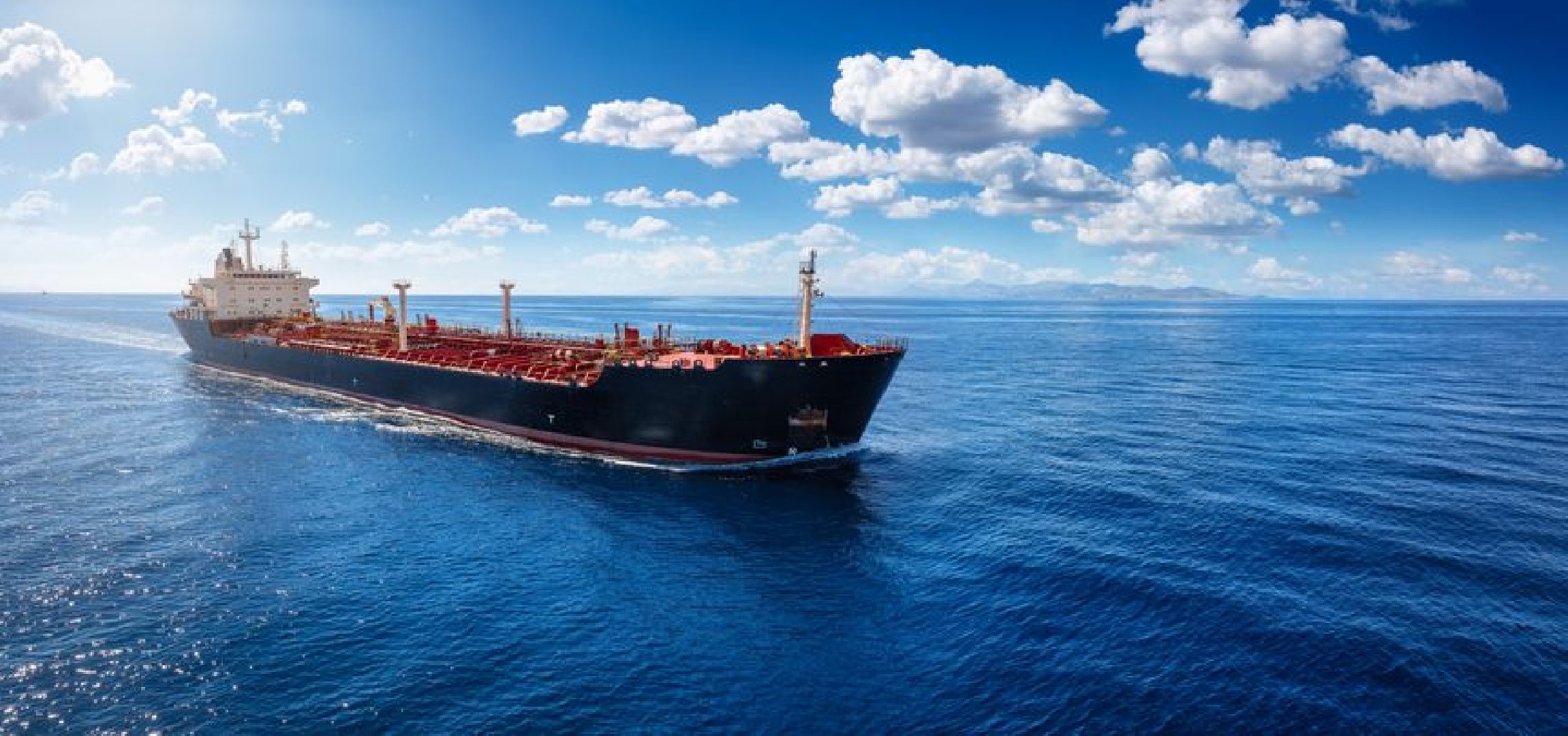
Energy-dependent nations, particularly Japan, have focused on the stabilization of trade routes, as the disruption of the Strait of Hormuz has already exacted a heavy toll on global inflation and shipping insurance costs. Despite this relief, the agreement leaves core tensions untouched. The lack of defined enforcement mechanisms, coupled with an undefined structure for sanctions relief, ensures that the deal remains a fragile, bilateral arrangement rather than a comprehensive multilateral resolution. For now, the global response reflects a collective desire to avoid further conflict, though the underlying drivers of the regional rivalry remain largely unaddressed.


Comments (0)
No comments yet. Be the first!