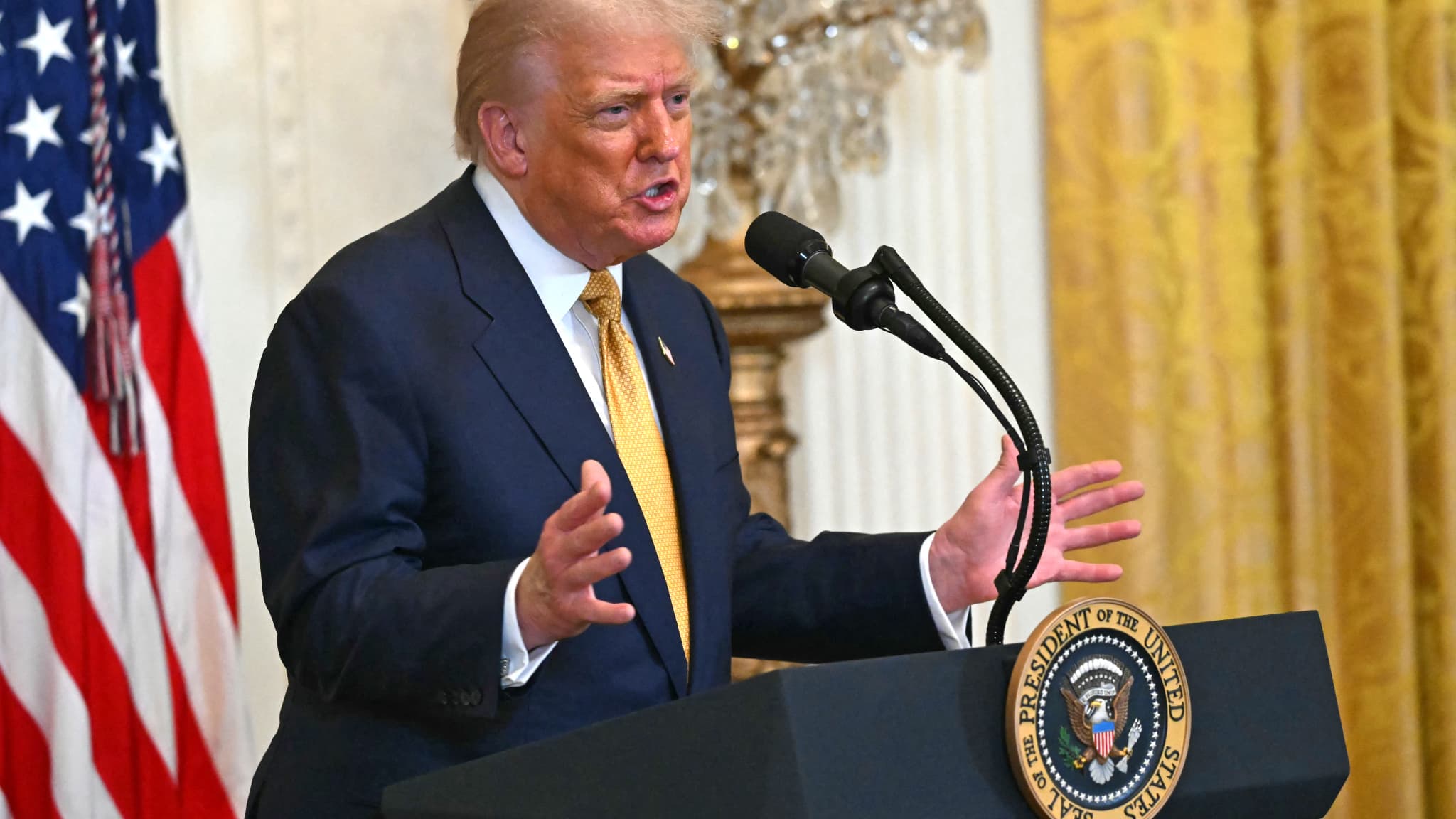
The memorandum of understanding, slated for a formal signing in Geneva on July 19, mandates the cessation of fighting and the reopening of vital oil shipping routes. Kazem Gharibabadi, Iran's deputy foreign minister, described the move as a military triumph, confirming that technical talks are scheduled to begin within two months. However, the agreement remains fragile, as Tehran has explicitly stated that final negotiations depend on the United States fulfilling its unspecified obligations first.
Complicating the landscape is the role of Israel, which was excluded from the negotiations. President Trump expressed frustration with Prime Minister Benjamin Netanyahu over recent strikes in Lebanon, labeling him a difficult partner. Despite the US-Iran breakthrough, Israeli Defense Minister Israel Katz confirmed that forces will remain in seized territories across Lebanon, Syria, and the Gaza Strip indefinitely. Katz further warned that any Iranian retaliation would be met with significant force, signaling that while the US and Iran may have paused their direct confrontation, the broader regional conflict remains volatile.


Comments (0)
No comments yet. Be the first!