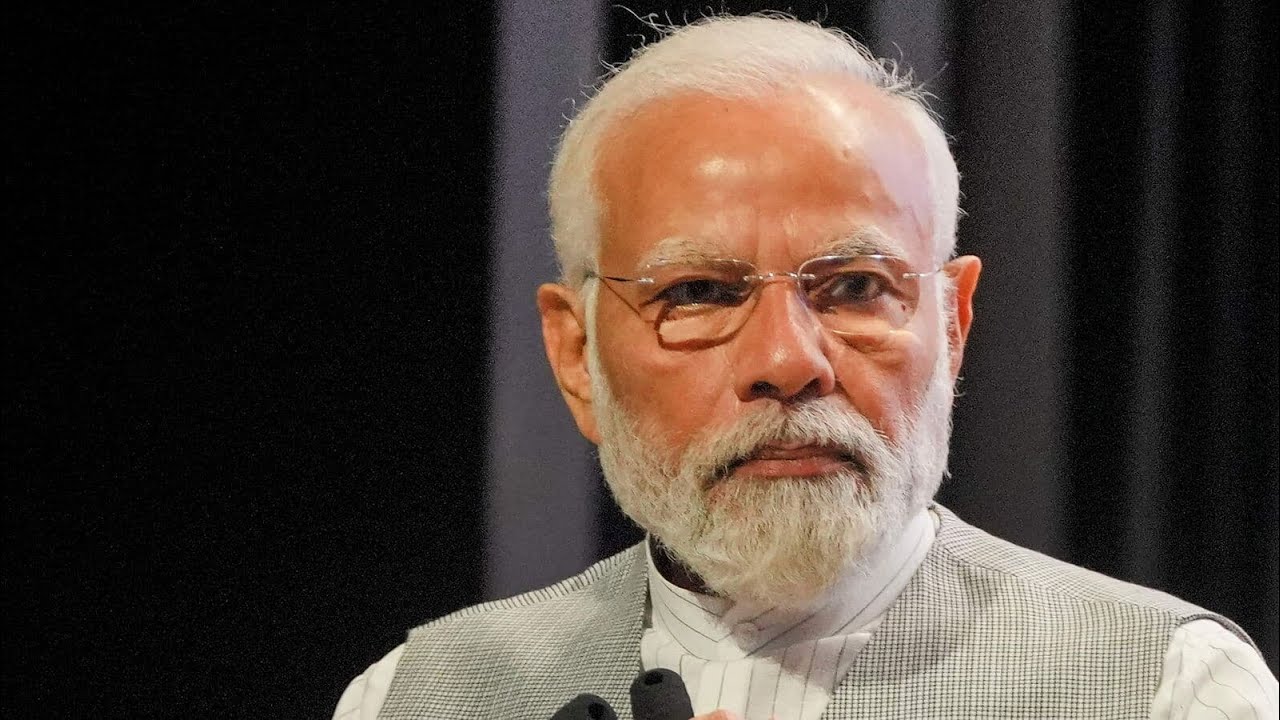
Khera, a senior Congress leader, welcomed the accord’s potential to stabilize West Asia but questioned why India, which maintains significant strategic interests in the region, was left on the sidelines. The deal, mediated by a coalition including Pakistan, Saudi Arabia, Qatar, and Turkey, highlights a shift in regional dynamics where India’s traditional diplomatic weight appears to have stalled.
The criticism specifically targeted External Affairs Minister S. Jaishankar. Khera took aim at the minister’s previous dismissal of mediation efforts as 'dalali,' suggesting this stance has left India a passive observer while rivals like Pakistan successfully rebrand themselves as global peacemakers. Under the previous UPA administration, India had effectively pushed to isolate Pakistan via the FATF grey list; now, Khera contends, the roles have reversed.
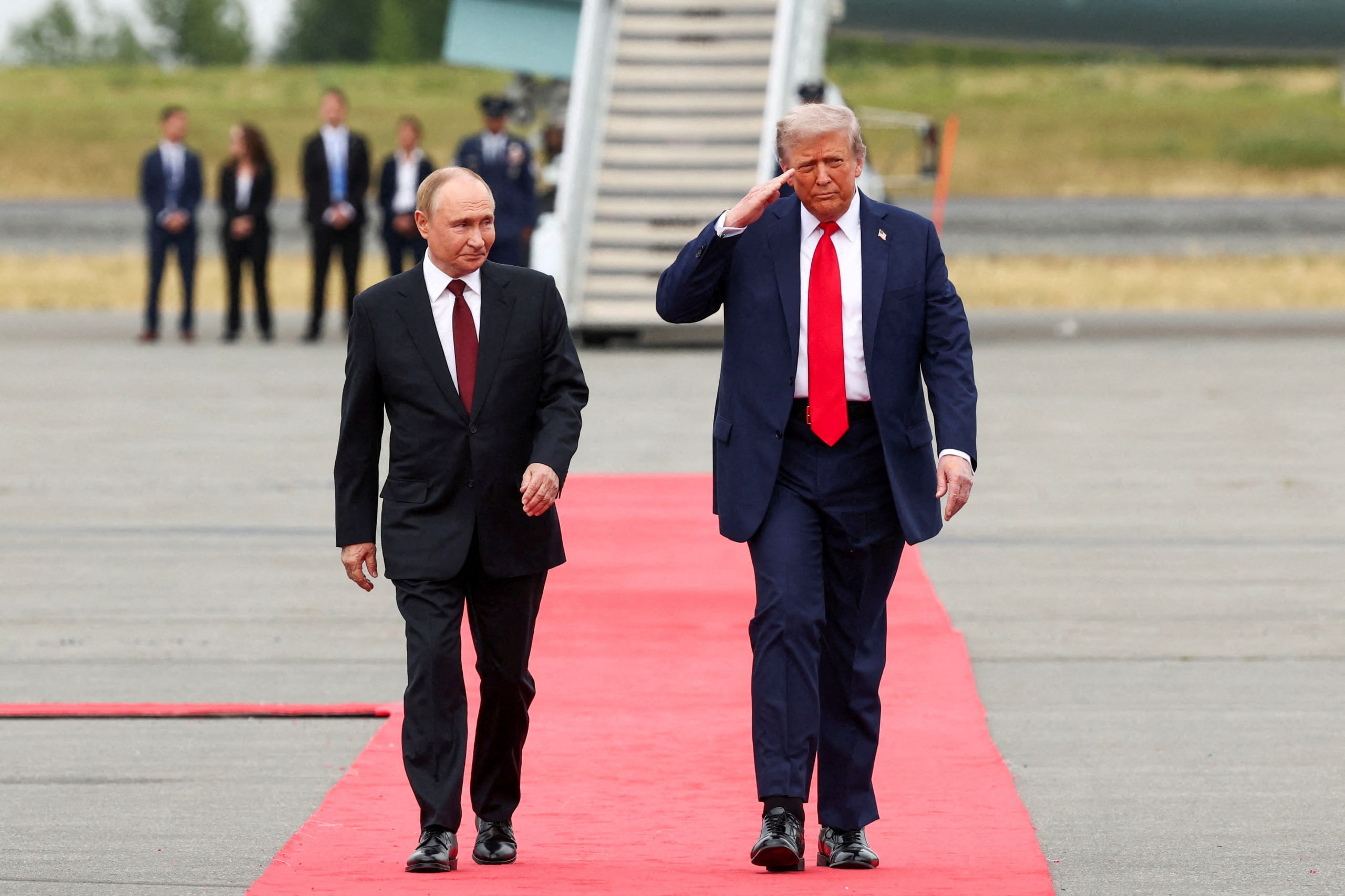
Despite Prime Minister Narendra Modi’s reported rapport with former President Trump, the government failed to translate personal relationships into a seat at the table. According to Khera, this strategic inaction forces India to watch from the periphery while other nations reshape the geopolitical landscape. The MP warned that by remaining uninvolved, India is suffering unnecessary diplomatic losses and weakening its standing in the emerging global order.


Comments (0)
No comments yet. Be the first!