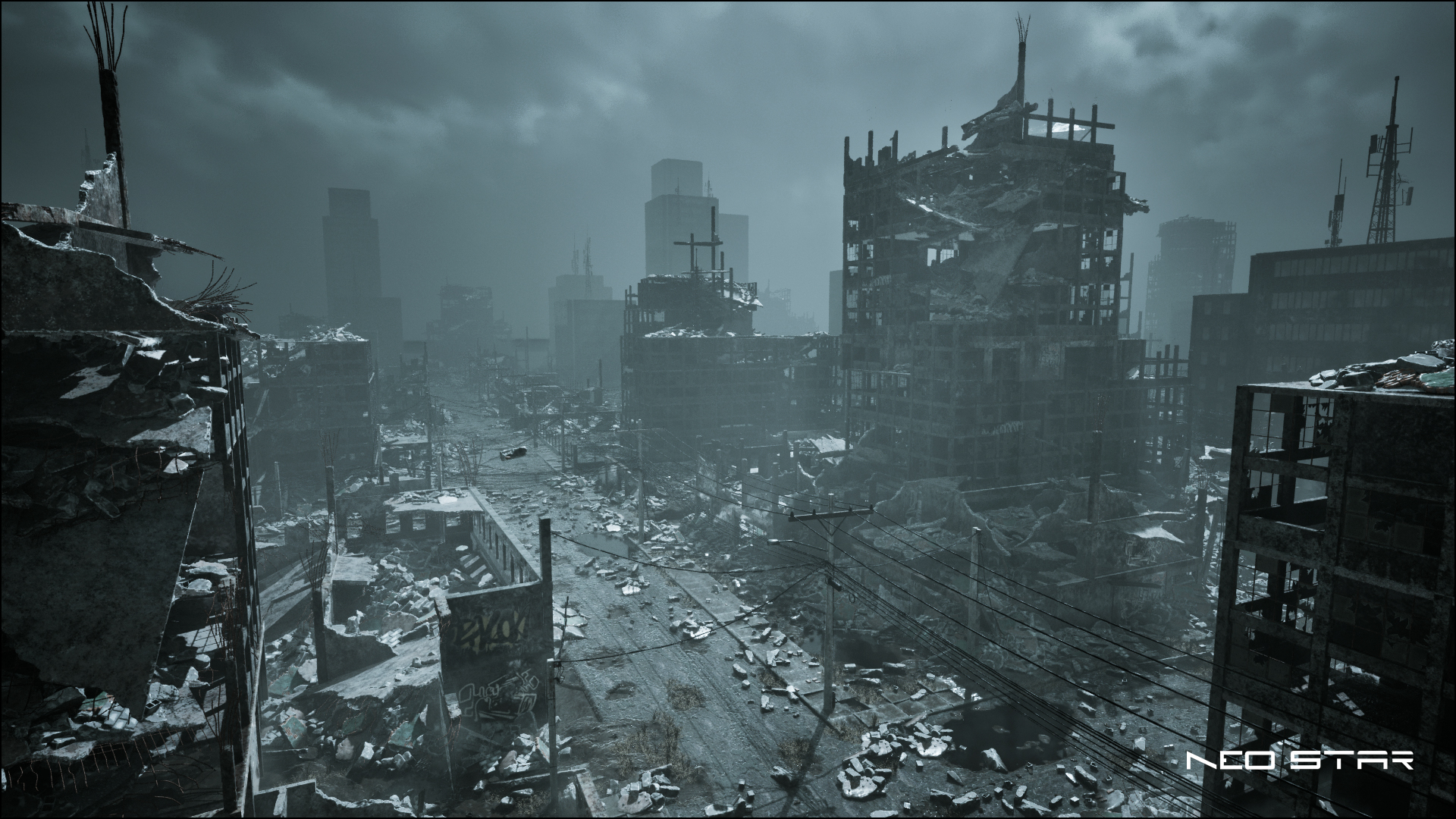
The scale of current global violence is unprecedented since 1946, yet the nature of this destruction has shifted from traditional battlefields into densely populated urban centers. In Gaza, residential buildings accounted for over 95 percent of infrastructure damage by December 2025, a figure that suggests the erasure of the social fabric rather than incidental damage. This trend is mirrored in Sudan and the Democratic Republic of the Congo, where civilian death tolls are rising even as global conflict statistics fluctuate. In Ukraine, the first three months of 2026 marked the deadliest winter for women and girls since the 2022 invasion, with 199 casualties recorded in that period alone.
Beyond direct airstrikes, the tactical use of gender-based violence has become a defining feature of contemporary instability. The UN reported a staggering increase in conflict-related sexual violence, with verified cases jumping from 4,600 in 2024 to over 9,300 in 2025. These acts function as strategic weapons designed to terrorize and destabilize communities. Despite the clear evidence of these atrocities, international legal frameworks remain largely toothless. Impunity has become the architecture of modern war, with perpetrators operating under the guise of precision technology—such as drones—which frequently target civilian spaces. Ultimately, women continue to bear the brunt of social and structural collapse, tasked with maintaining the survival of families while remaining systematically excluded from the peace negotiations that could define their future.


Comments (0)
No comments yet. Be the first!