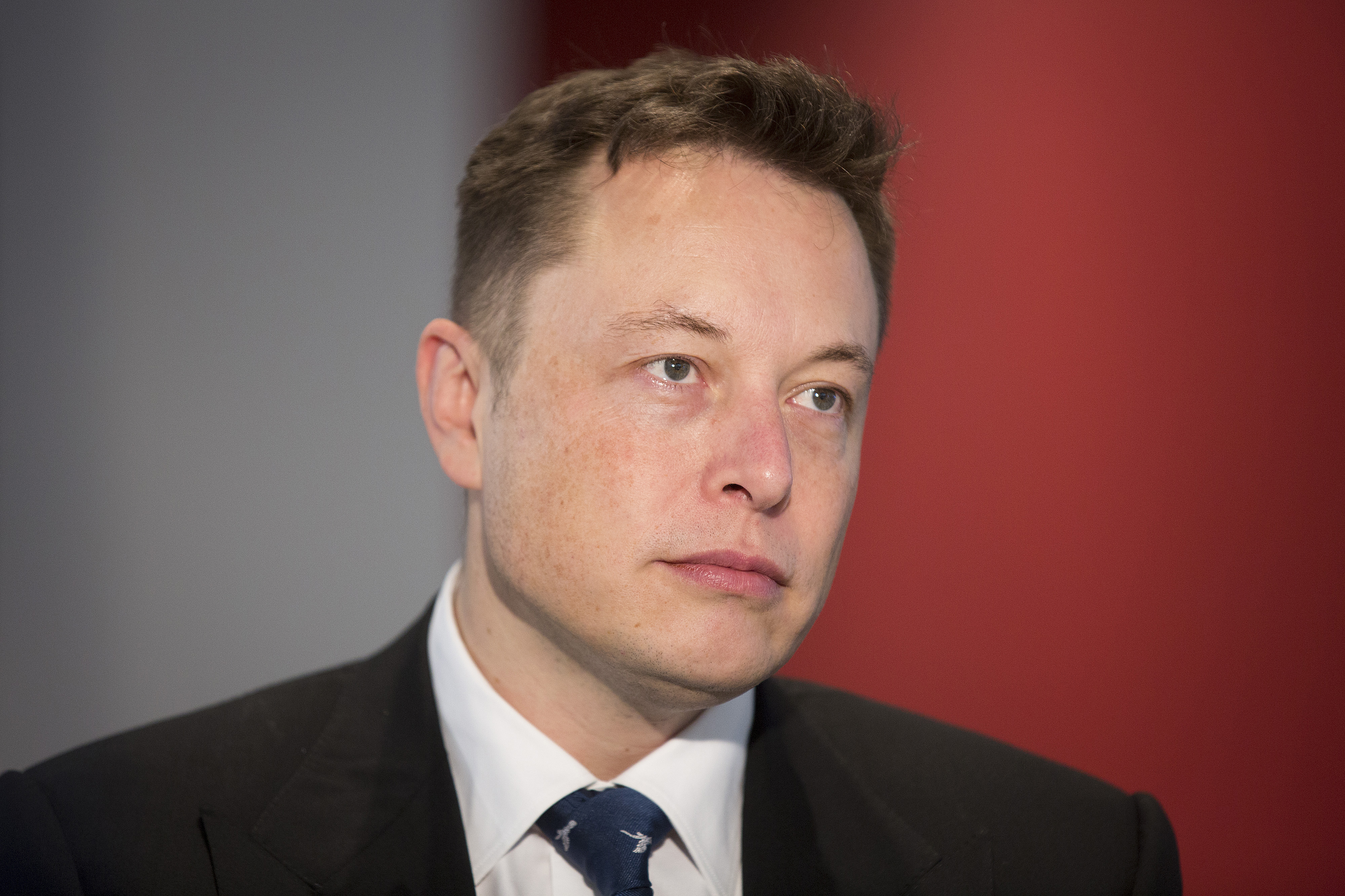
SpaceX faced a precarious future in 2008, teetering on the edge of insolvency before a $1.6 billion NASA contract to service the International Space Station provided a lifeline. This followed a foundational $278 million award in 2006 to develop the Falcon rockets. Ross Gerber, CEO of Gerber Kawasaki, noted plainly that these enterprises would likely not exist in their current form without such intervention. For a young startup, these government infusions were not merely helpful; they were the essential capital that allowed the company to survive and eventually dominate the aerospace sector.
Tesla’s trajectory mirrors this reliance on public policy. In 2010, when the company had sold fewer than 2,000 vehicles, a $465 million low-interest loan from the Department of Energy fueled the development of the Model S. Beyond direct funding, federal tax credits of up to $7,500 incentivized consumers to purchase Tesla vehicles, accounting for an estimated $3.4 billion in savings for buyers through 2019. Perhaps most lucrative were the regulatory emissions credits. Because Tesla exclusively produced electric vehicles, it generated surplus credits that traditional automakers were legally required to purchase, netting the company over $2 billion in revenue between 2008 and 2019. These mechanisms transformed early policy support into a self-sustaining financial engine.


Comments (0)
No comments yet. Be the first!