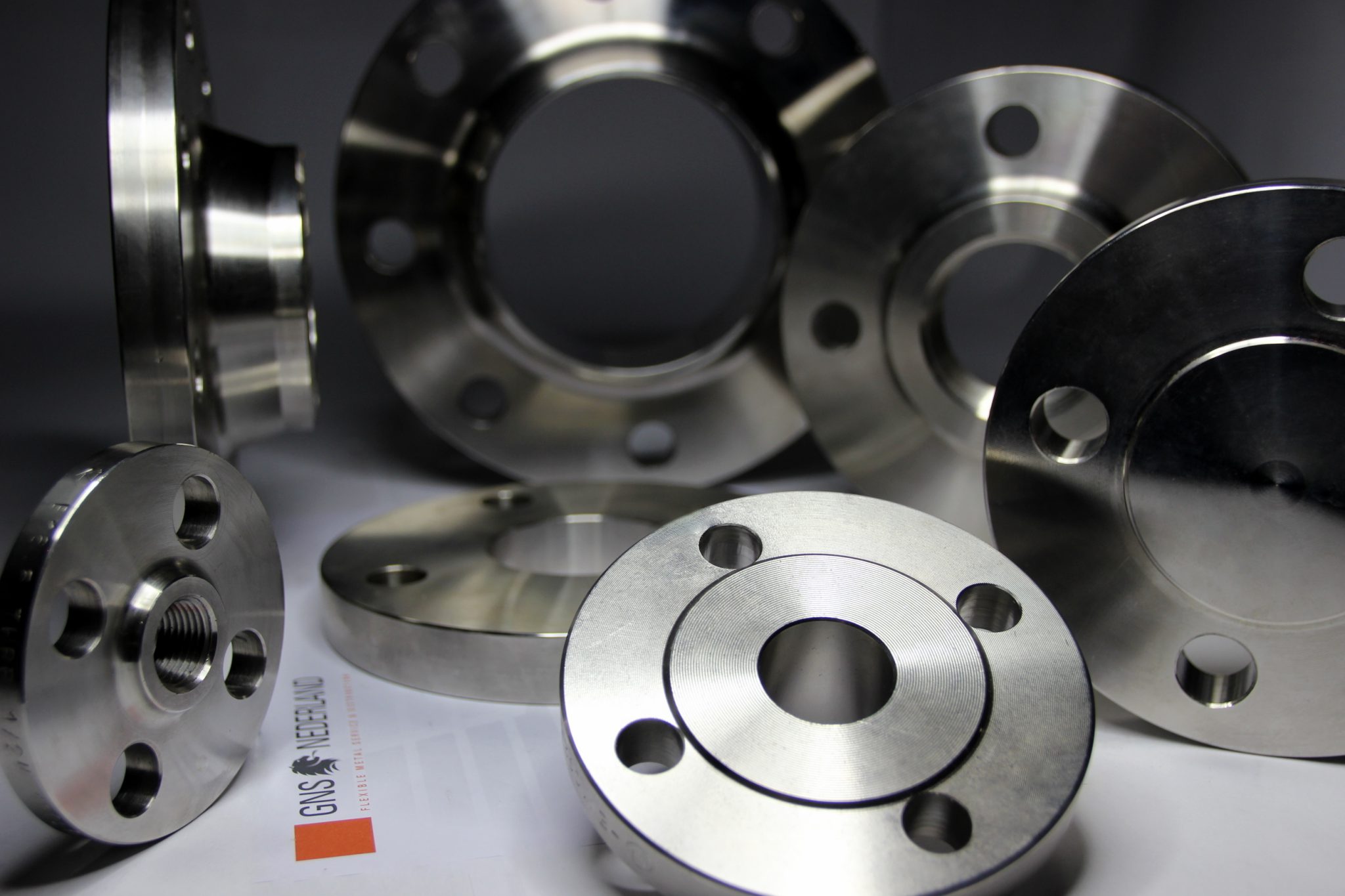
The transformation of Dingxiang relies on a hyper-localized industrial ecosystem that defies Western models of fragmented production. While German and Japanese firms often operate in disconnected silos, Dingxiang compresses its entire supply chain into an 865-square-kilometer radius. This geographic density creates a singular, coordinated mega-factory where the average distance between enterprises is under three kilometers. By integrating 319 core forging firms with over a thousand specialized micro-businesses, the region has achieved a level of operational agility that allows for on-site equipment repairs in 18 minutes and export-ready processing within 48 hours.
This structural efficiency yields a profound cost advantage. Through collective procurement and shared logistics, Dingxiang’s production costs run 42% lower than those of its international rivals. The model is so effective that it has become a blueprint for other Chinese industrial hubs, such as Shaodong’s lighter industry and Shanxiahu’s freshwater pearl market. By operating as a cohesive, high-density cluster, these regions move beyond low-end manufacturing, effectively shielding themselves from offshoring threats and forcing established global players to contend with a new, resilient form of industrial hierarchy.



Comments (0)
No comments yet. Be the first!