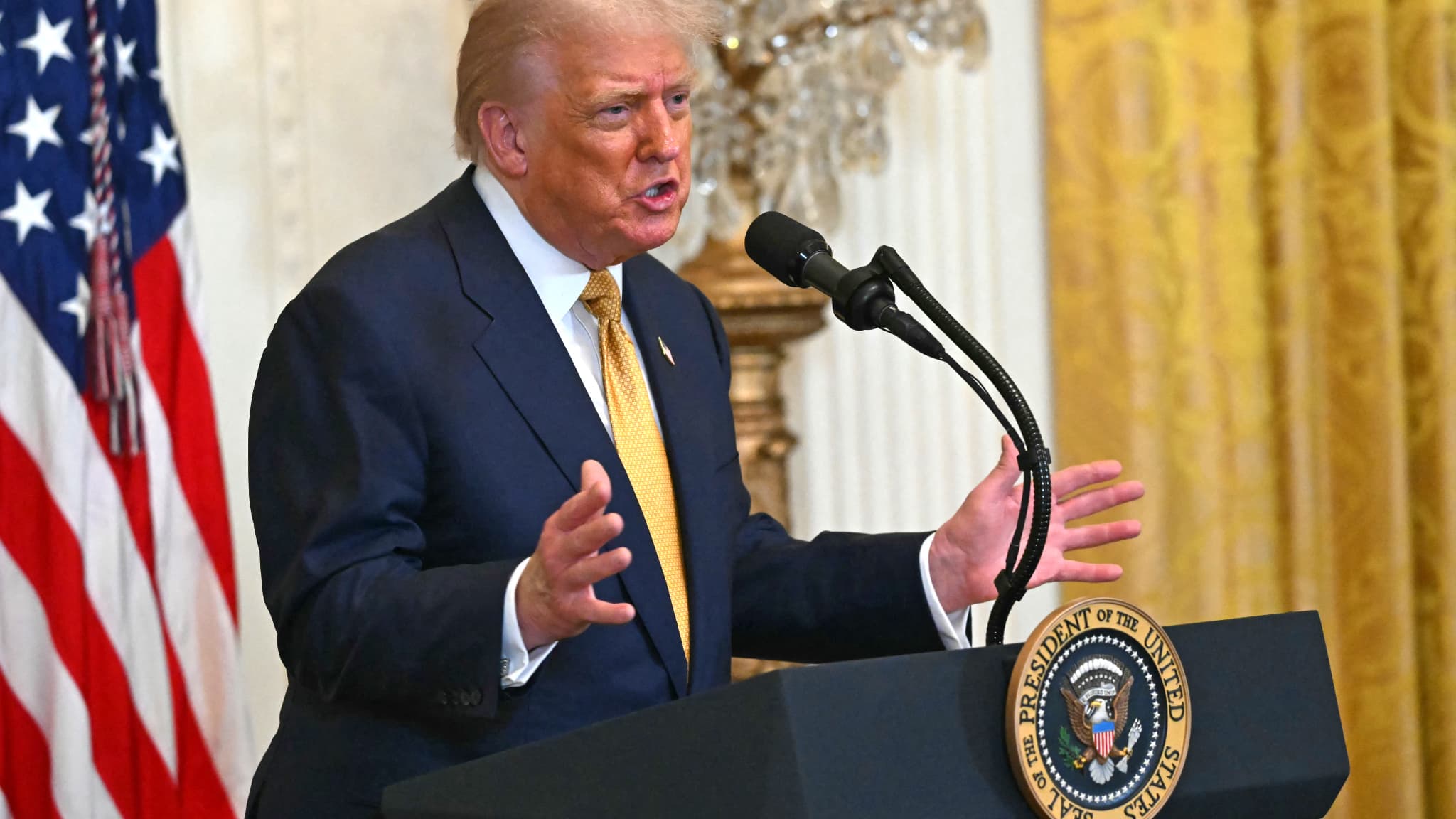
The proposed arrangement aims to restore global shipping access through the vital waterway, a move Trump frames as a cornerstone of his foreign policy. He emphasized that preventing Iranian nuclear proliferation remains his primary objective, even as the administration weighs the terms of the settlement. For Iran, the path to consensus involves specific demands: the lifting of long-standing economic sanctions, the repatriation of frozen foreign assets, and formal recognition of its regional authority over the strait.
Foreign Ministry spokesperson Esmaeil Baghaei confirmed that negotiators have finalized significant portions of the document, though he stopped short of committing to a timeline. Despite the lingering friction, the diplomatic shift has garnered quiet support from regional powers, including Saudi Arabia and Israel, both of whom have long monitored the security of the maritime route. The coming days will test whether these high-level negotiations can bridge the gap between American security mandates and Iran's stated red lines.


Comments (0)
No comments yet. Be the first!