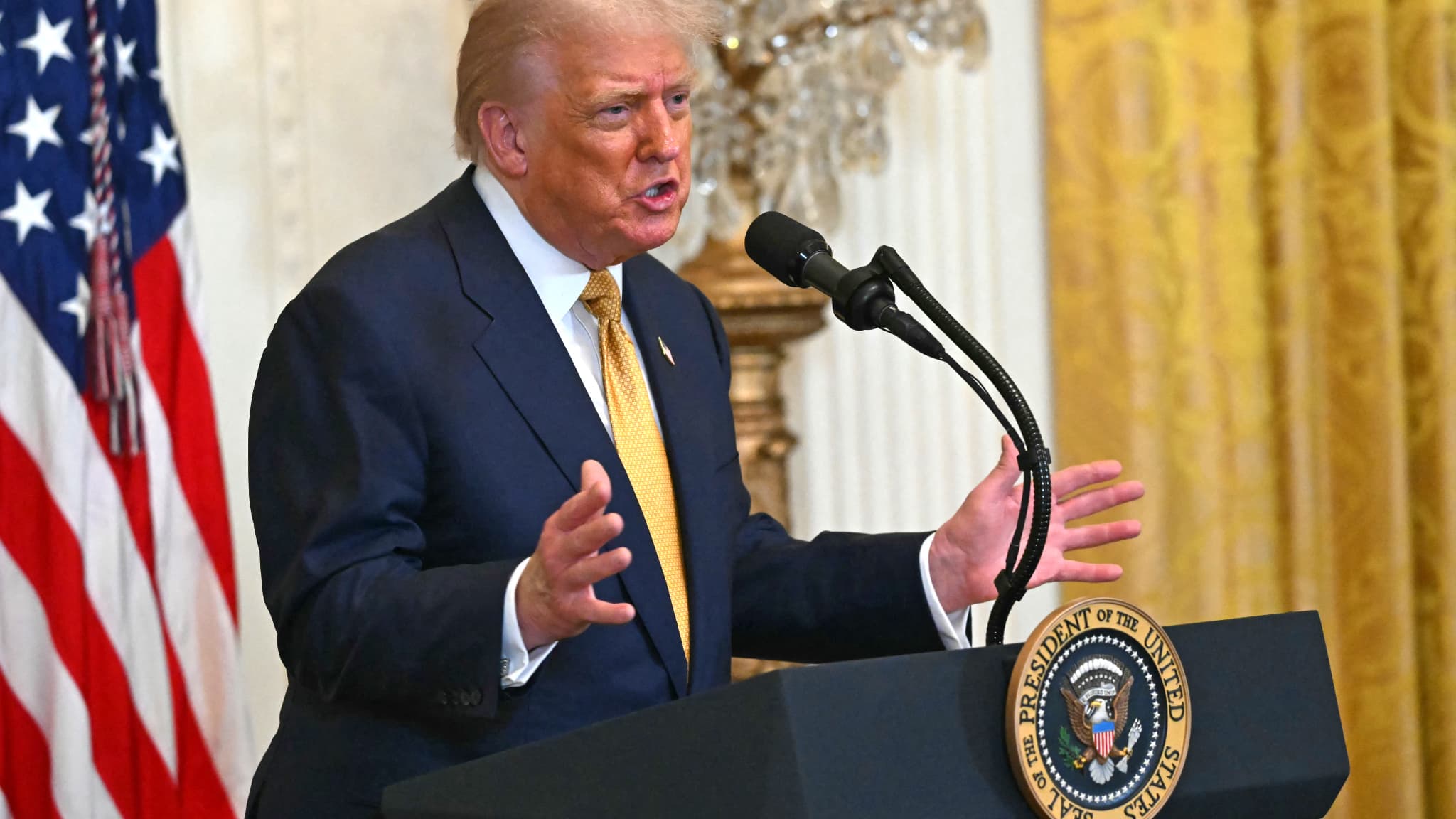
The proposed deal promises a tactical shift: Iran would loosen its grip on the Strait of Hormuz in exchange for the lifting of the U.S. blockade on its commercial ports. Notably, the agreement bypasses the contentious issue of Iran’s nuclear program and uranium stockpiles, deferring those discussions to a later date. According to the semi-official Fars news agency, Tehran is leaning toward approval, though a final, formal response has yet to materialize.
Market reaction to the news was immediate, with U.S. stocks climbing and oil prices retreating from recent highs. The administration claims the framework has secured buy-in from top-tier Iranian leadership, alongside regional stakeholders including Israel, Saudi Arabia, Qatar, and the United Arab Emirates. Analysts view the pivot as a deliberate political maneuver, allowing the White House to establish a distinct policy footprint separate from the 2015 nuclear deal. The conflict, which has claimed thousands of lives across Iran and Lebanon, now stands at a precarious diplomatic crossroads.


Comments (0)
No comments yet. Be the first!