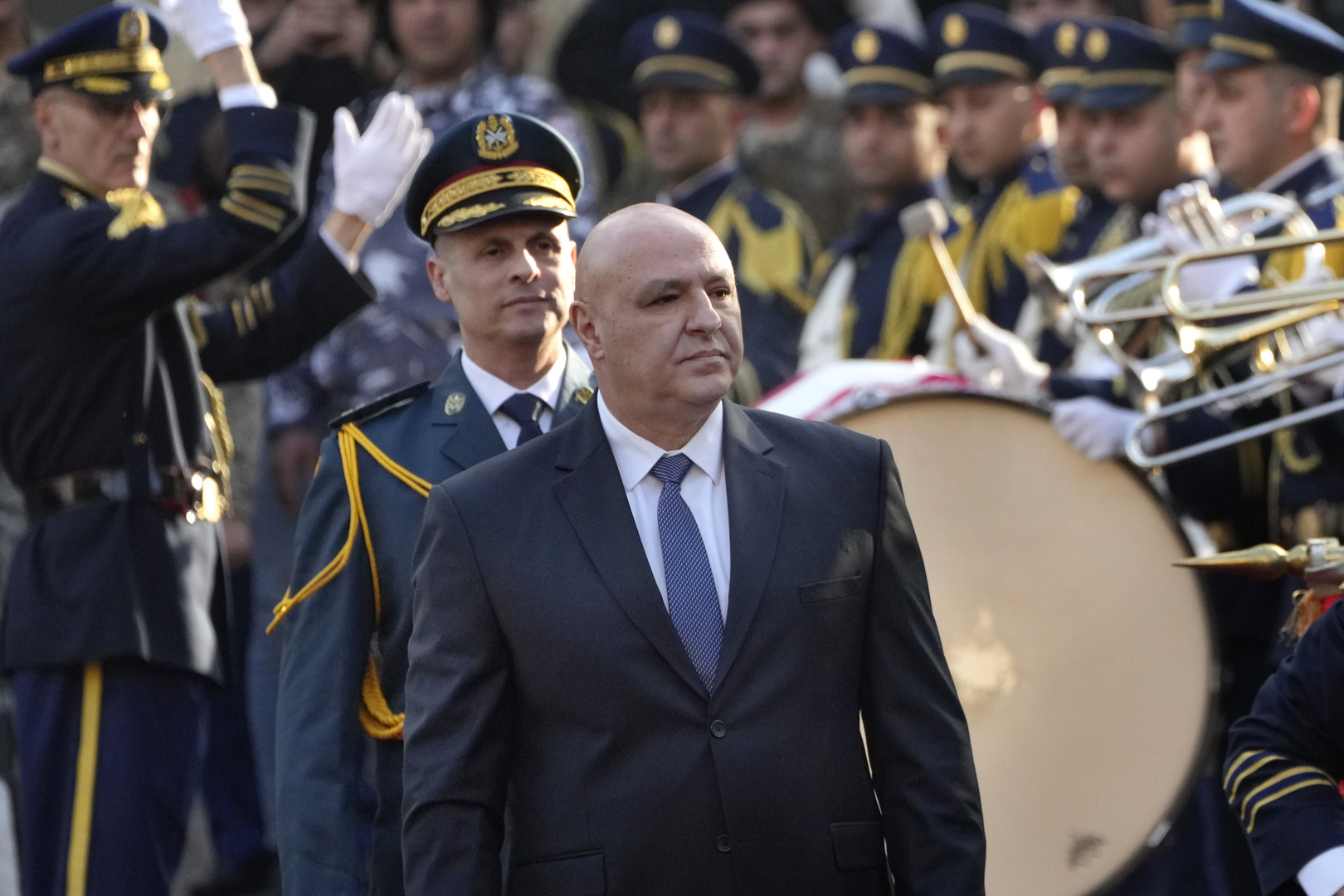
Lebanese President Joseph Aoun has publicly distanced his administration from Tehran’s influence, insisting that the nation’s future must be determined by its own citizens rather than foreign agendas. Despite this stance, the government remains tethered to a reality where Hezbollah rejects direct dialogue with Israel, viewing such overtures as inherently compromised. Aoun has warned that continued militancy threatens to deepen sectarian fissures, potentially destroying the very population Hezbollah claims to protect.
The strategic value of Lebanon to Iran has surged following the collapse of the Assad regime in Syria, prompting Tehran to signal that any attempt to dismantle Hezbollah will be met with regional instability. This creates a direct clash with Israeli security goals, which demand the total removal of Hezbollah’s military assets from the southern border before any withdrawal of forces. Negotiators in Washington have struggled to bridge this gap, with recent talks nearly collapsing over Israel’s refusal to compromise on fundamental security guarantees.
Beirut’s proposed roadmap suggests a simultaneous withdrawal of both Israeli and Hezbollah forces to facilitate a transition to state authority. However, Hezbollah has dismissed this framework as a surrender, maintaining that any meaningful resolution must first emerge from a high-level agreement between Washington and Tehran. This leaves the Lebanese government caught in a grueling diplomatic tug-of-war, attempting to secure a ceasefire while navigating the contradictory demands of an Iranian-backed militia and an unyielding Israeli military strategy.


Comments (0)
No comments yet. Be the first!