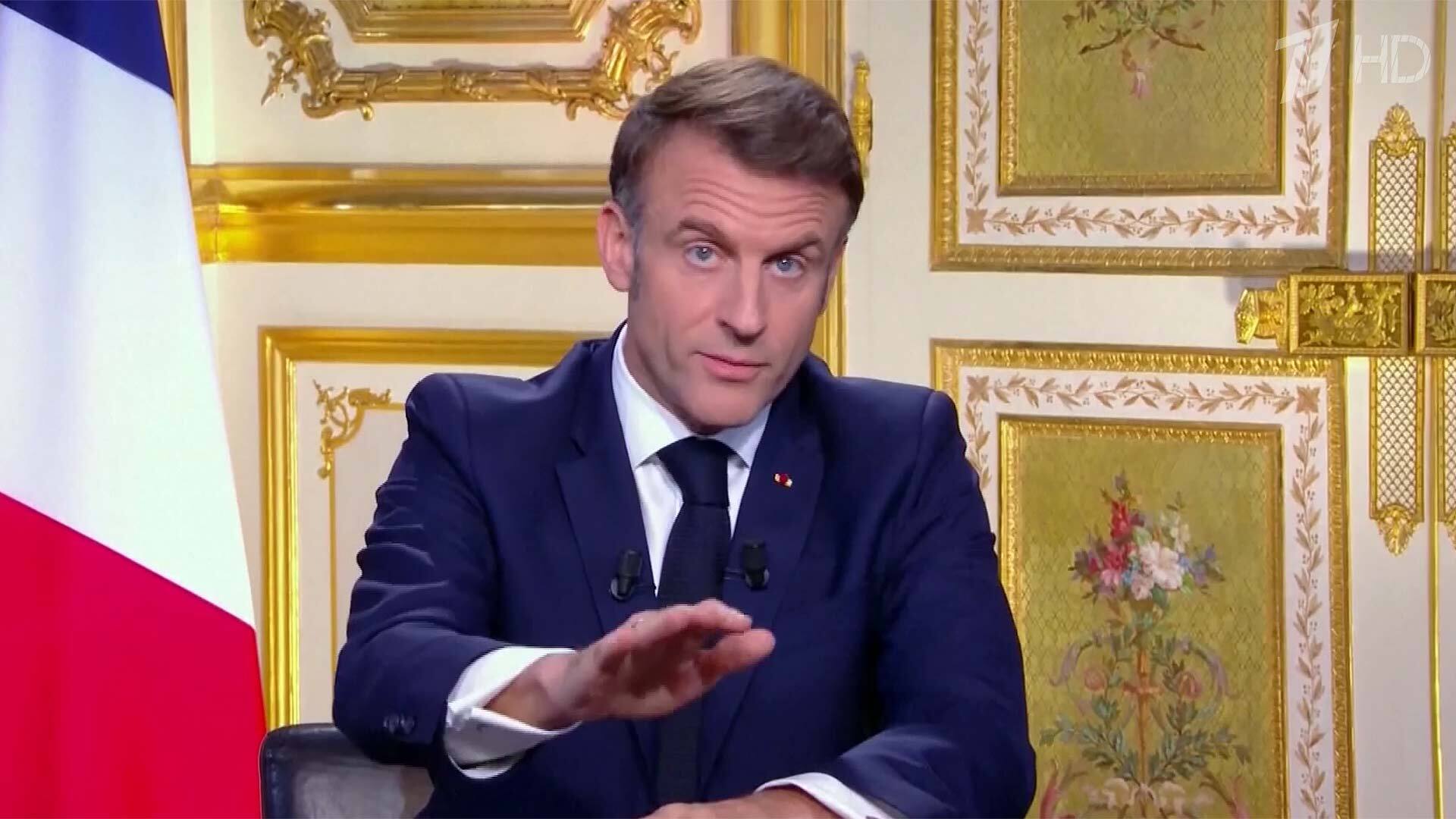
The summit aims to address a widening chasm between saving and spending nations. Post-pandemic data reveals a stark trajectory: China’s export surplus continues to climb, Europe remains a persistent net lender, and the United States relies heavily on the influx of foreign capital to sustain its chronic deficits. These structural discrepancies, once peripheral, now sit at the center of the diplomatic discourse.
Former European Central Bank President Mario Draghi has highlighted these imbalances as a primary driver of potential fiscal crises. While G7 finance ministers reached a consensus last month on the necessity of coordinated international intervention, such collaboration has remained largely elusive during broader G20 negotiations. Leaders are now tasked with moving beyond rhetoric to find a mechanism that rebalances global flows before trade tensions escalate further.


Comments (0)
No comments yet. Be the first!