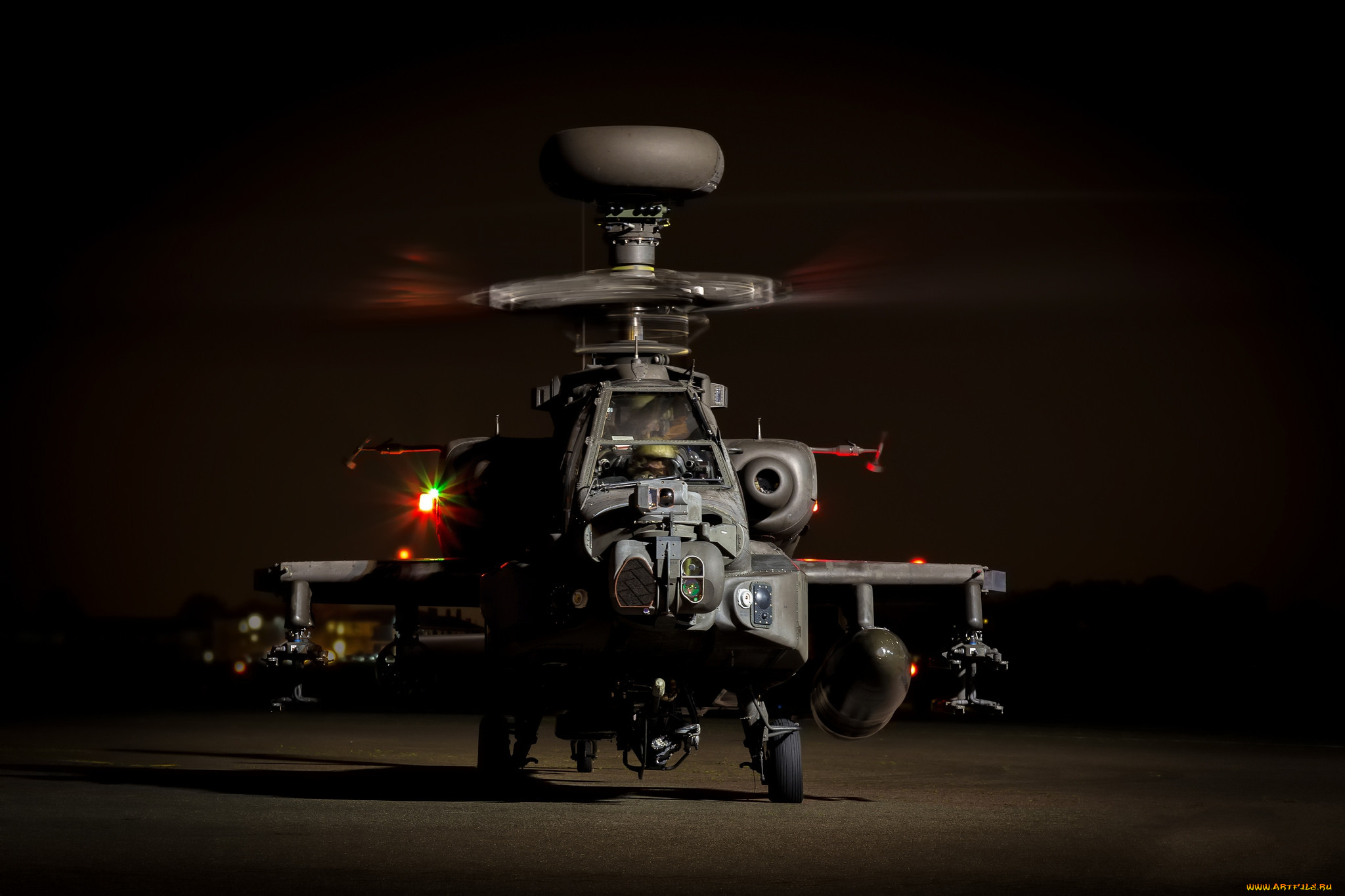
Military officials have yet to confirm whether the crash resulted from mechanical failure or hostile engagement. President Donald Trump confirmed the safety of the crew, but the lack of clarity regarding the cause leaves the incident open to speculation. The Strait of Hormuz remains a primary chokepoint for global oil supplies, and any military disruption in these waters carries immediate implications for maritime security.
The timing of the crash complicates an already delicate diplomatic landscape. Washington is currently navigating a complex web of negotiations involving Tehran and Israel, even as both sides maintain a state of high alert. A finding of hostile action could derail ongoing ceasefire discussions, potentially fueling a rapid escalation between Iranian-backed groups and regional security forces.
Defense planners are now prioritizing the recovery of the aircraft to determine the sequence of events. For now, the crash serves as a stark reminder that the current regional pause in hostilities remains superficial. With energy markets watching the Strait closely, the outcome of the investigation will likely dictate whether diplomatic channels remain open or if the region slips back into active confrontation.


Comments (0)
No comments yet. Be the first!