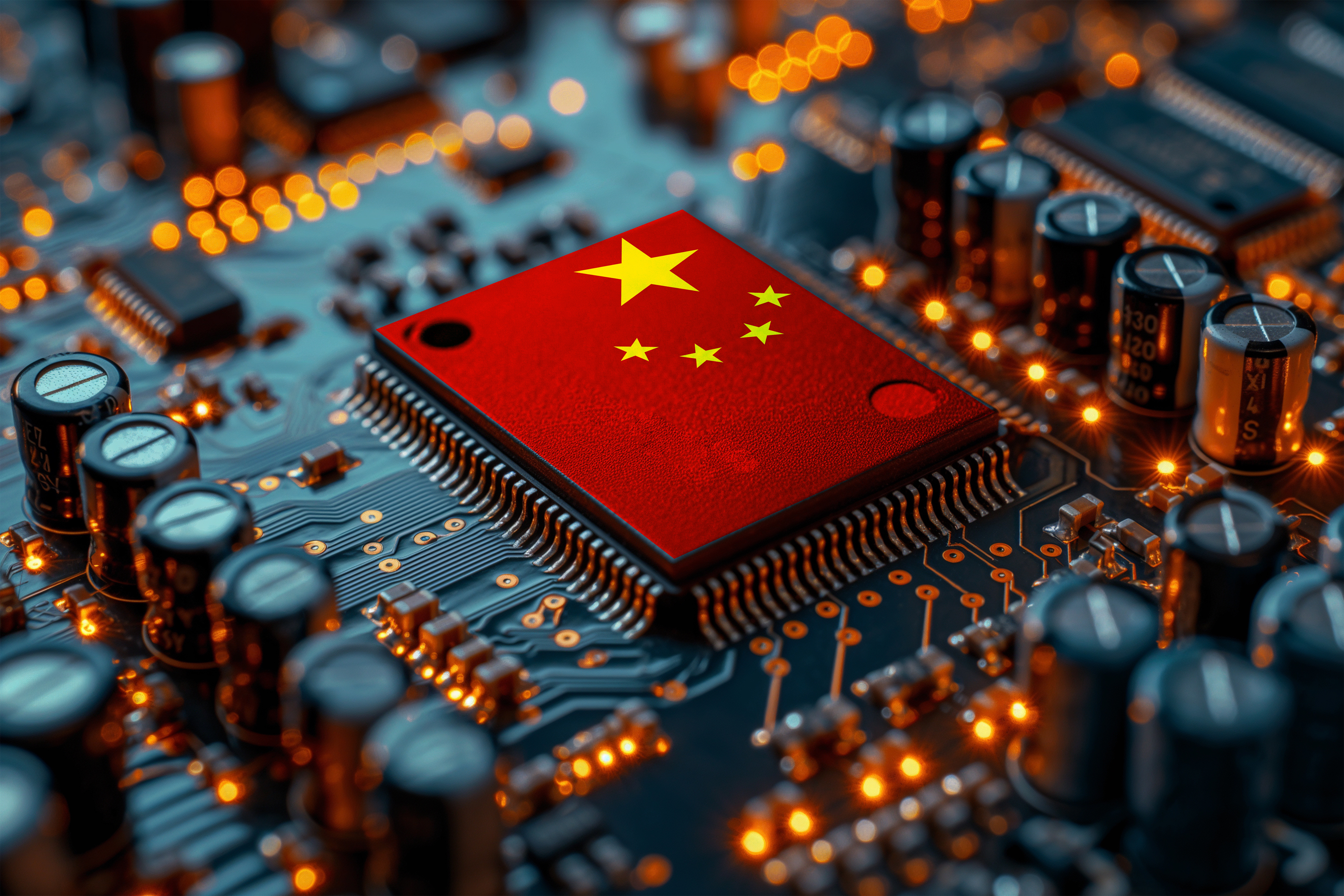
While these designations stop short of immediate sanctions, they serve as a formal assessment that these companies actively contribute to China’s military modernization. The inclusion of firms specializing in artificial intelligence, biotechnology, and electric vehicles marks a strategic shift: Washington no longer views these sectors as purely commercial, but as critical components of a national security landscape inextricably linked to military advancement.
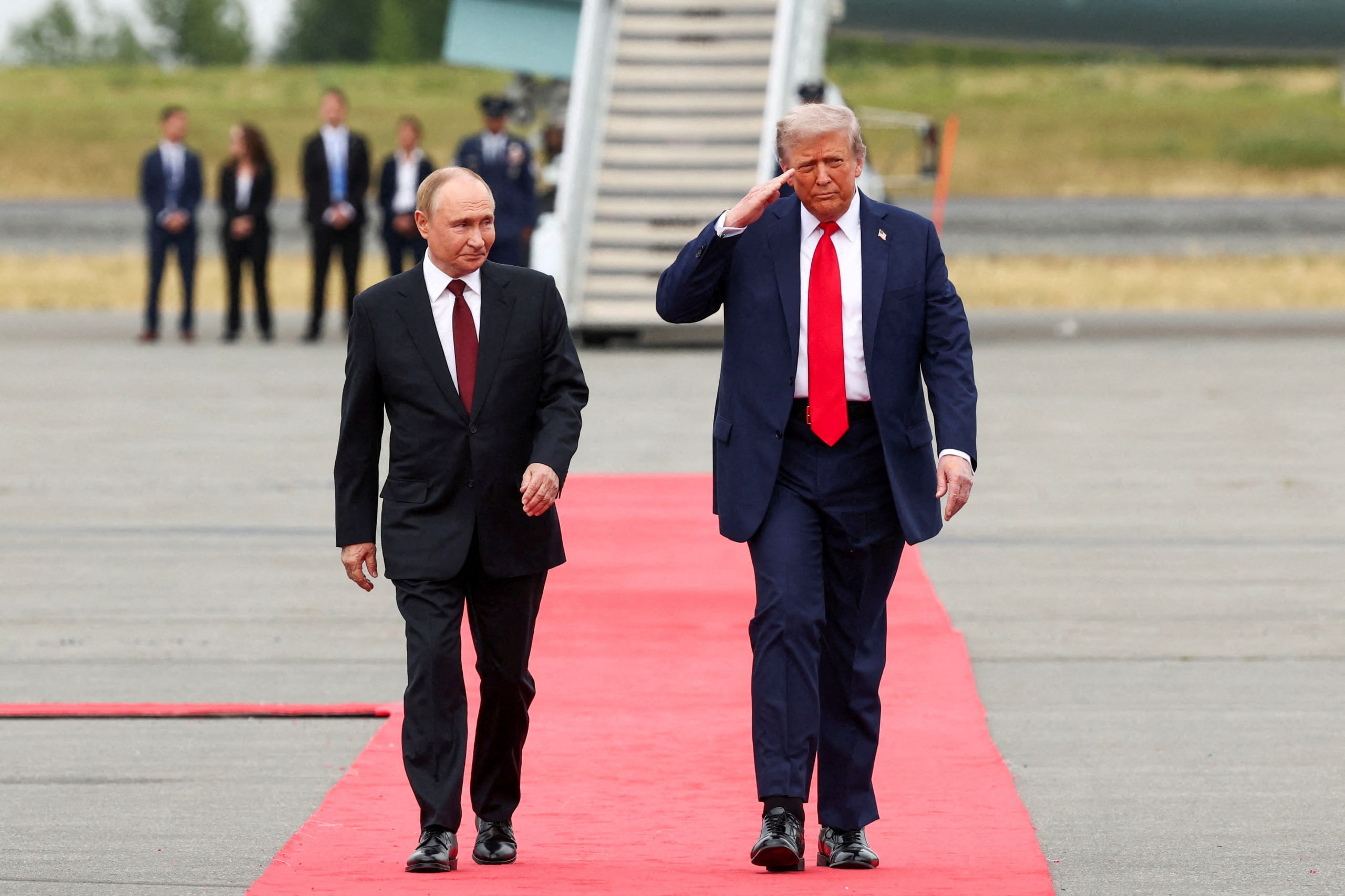
This policy update follows recent high-level meetings between Donald Trump and Xi Jinping, underscoring that geopolitical competition remains the defining feature of US-China relations. By targeting the broader technology ecosystem rather than isolated firms, the United States is signaling that control over emerging technologies is now the primary theater of rivalry. The move introduces significant volatility for global supply chains, as investors and international partners must now reassess their exposure to companies that have become central to the global economy. Beijing is expected to respond by doubling down on domestic innovation and technological self-sufficiency, further deepening the divide between the two powers across the manufacturing and digital sectors.


Comments (0)
No comments yet. Be the first!