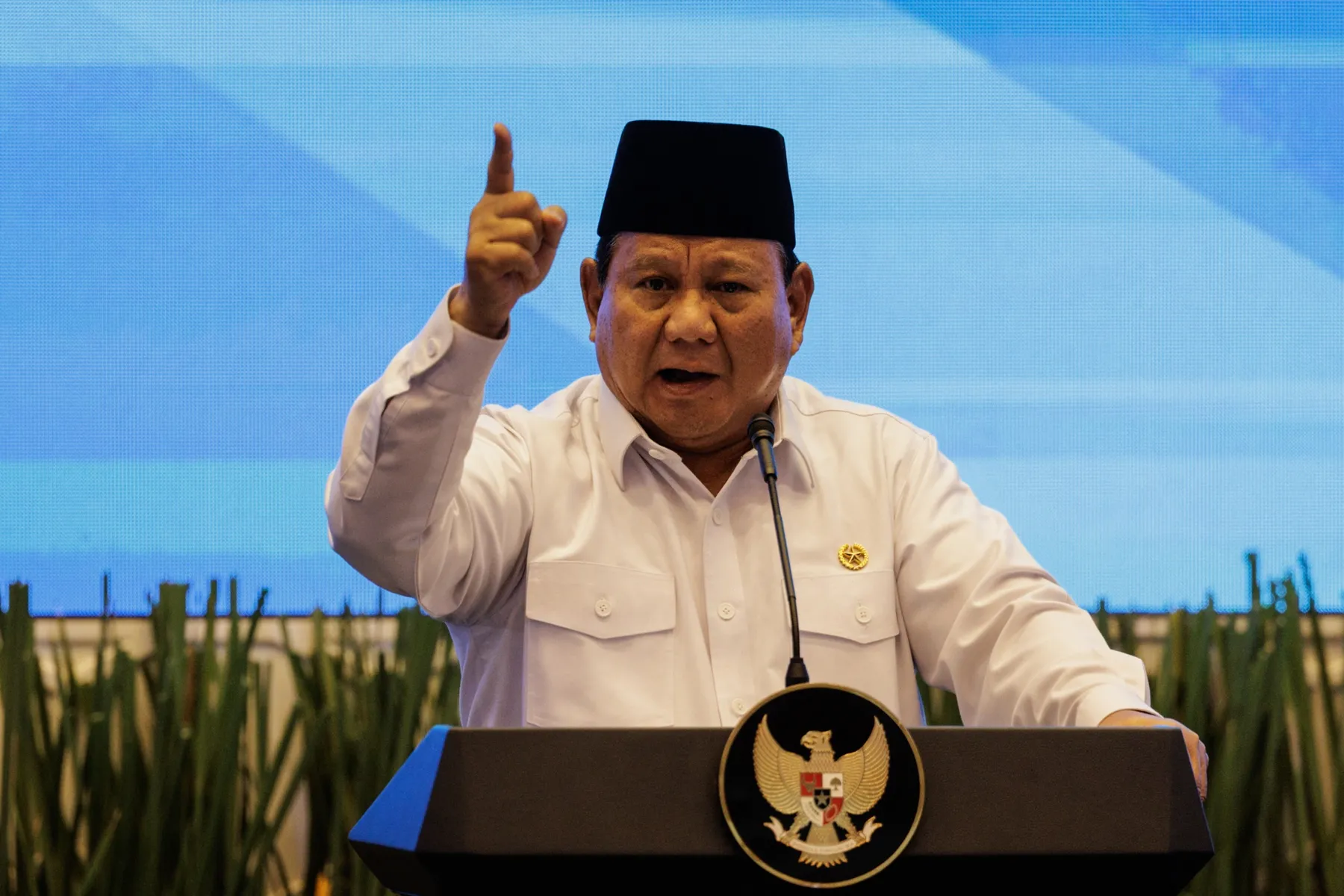
The administration’s pivot toward populist spending, including a massive free school meal program, has dismantled years of fiscal discipline. These policy shifts, coupled with the centralisation of commodity exports under a sovereign fund and new mandates for the central bank, have unnerved global markets. Foreign investors have pulled a net $3.2 billion from local stocks through May, the heaviest outflow since 2009, while foreign ownership of government bonds has cratered to 12.6%—a two-decade low.
Analysts warn of a self-reinforcing doom-loop where currency depreciation fuels inflation, tightening financial conditions and further stifling economic growth. Despite a 50-basis-point rate hike in May and a $12 billion depletion of foreign exchange reserves, the rupiah remains under immense pressure. Moody’s and Fitch have already downgraded their debt outlooks to negative, citing concerns over the erosion of central bank independence and the lack of transparency in recent legislative changes. For international fund managers, the country is no longer viewed as a bastion of orthodox policy, but as a market defined by rising structural risk.



Comments (0)
No comments yet. Be the first!