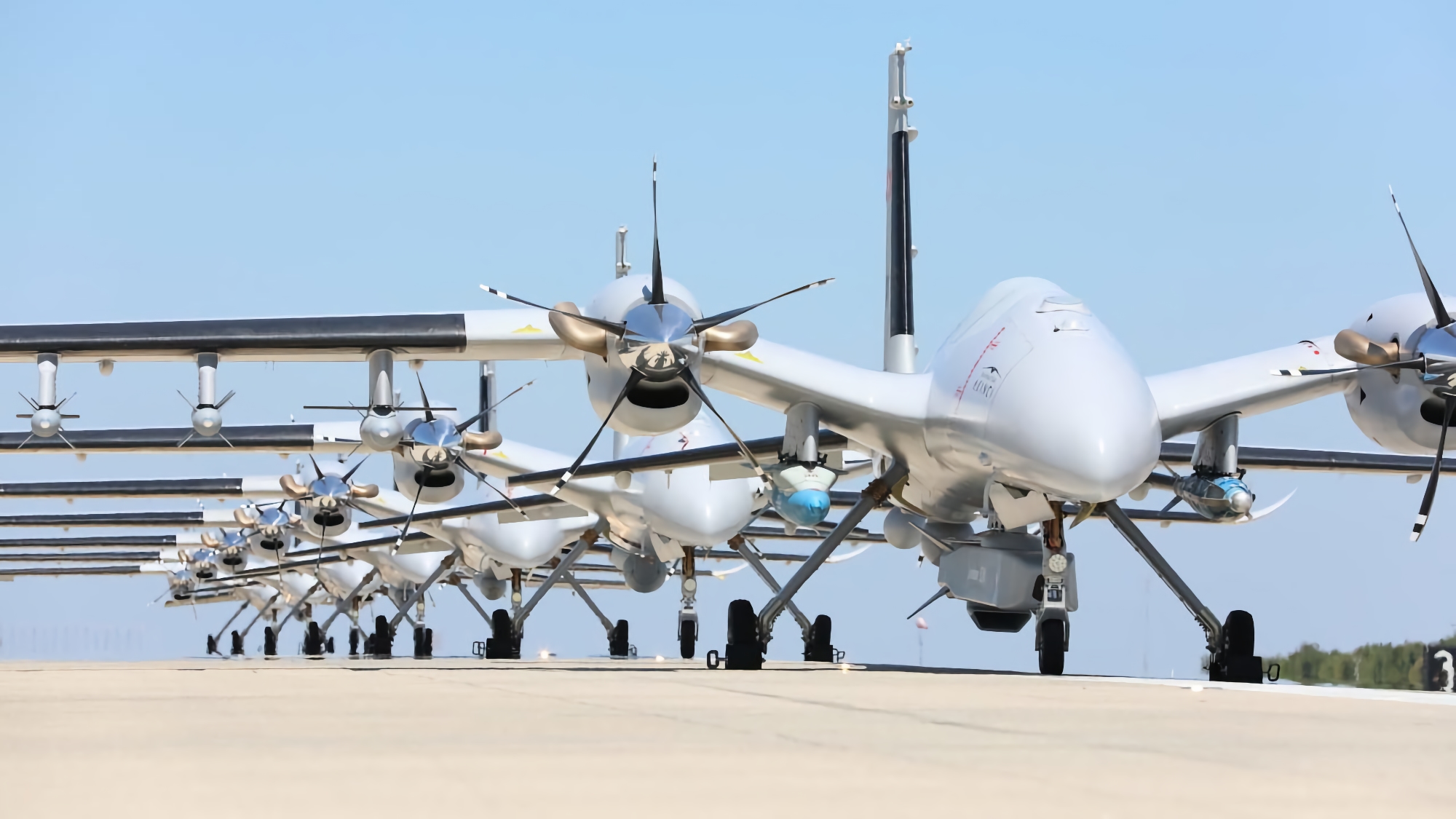
The surge in Turkish military exports, led by companies like Baykar and Turkish Aerospace Industries, arrives at a precarious moment for global security. As the war in Ukraine forces European capitals to overhaul procurement strategies, Turkey offers a pragmatic alternative: rapid delivery timelines and competitive pricing that many Western manufacturers struggle to match. This industrial momentum has already secured partnerships with Poland, Romania, and Spain, signaling a quiet but significant integration of Turkish hardware into the NATO supply chain.
Yet, this ascent is not without friction. Persistent political disputes with European Union members continue to block Ankara from key funding programs and deeper industrial cooperation. Furthermore, Turkey faces persistent technological hurdles, specifically in the development of advanced engines and complex air defence systems. While the country’s manufacturing capacity serves as a potent tool for diplomatic leverage, its long-term status as a regional defence hub hinges on reconciling these political tensions with its industrial ambitions. If Ankara navigates these constraints, it stands to cement its role as a primary pillar of the Western military-industrial ecosystem.


Comments (0)
No comments yet. Be the first!