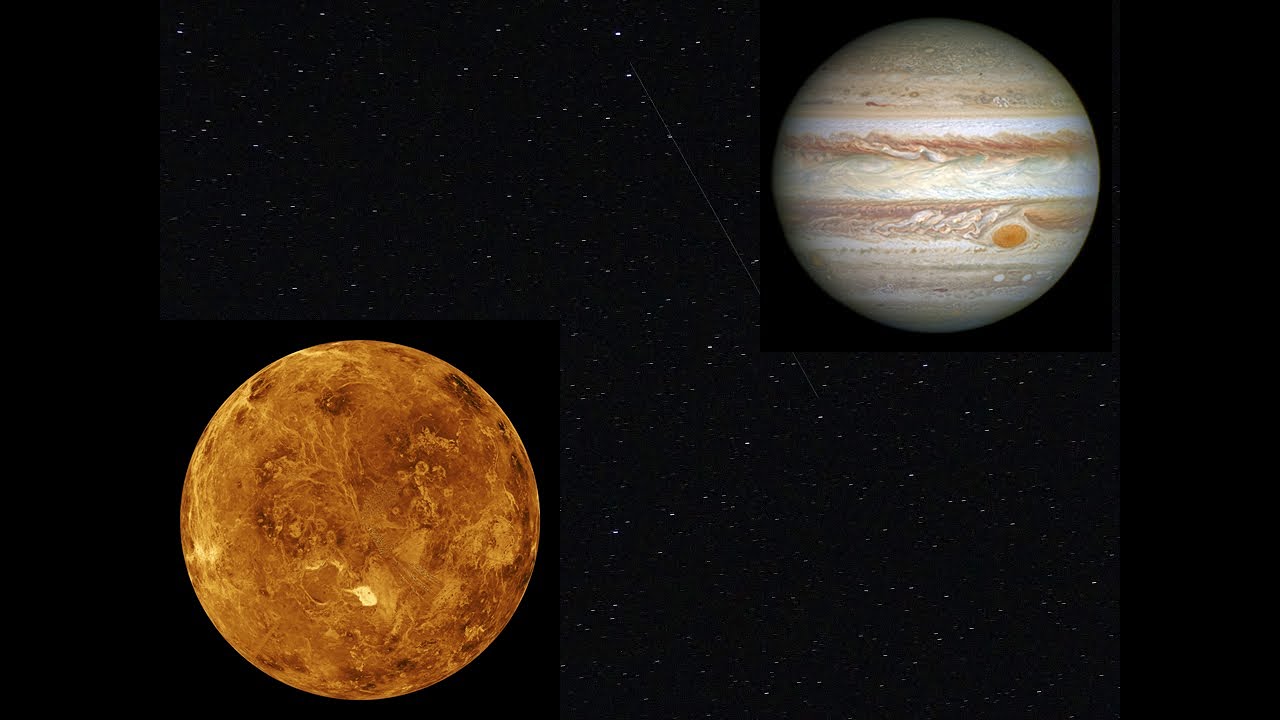
The planets will appear separated by a distance roughly equal to the width of a pinkie finger held at arm's length. Because both bodies possess high luminosity, they will be easily discernible to the naked eye against the twilight sky, provided weather conditions remain clear. For those seeking a closer look, the pair will fit within the frame of standard binoculars.
Observers should look toward the western horizon shortly after the sun dips below the skyline. Venus and Jupiter will track along the ecliptic, the path the sun follows across the sky, remaining visible for approximately two to two-and-a-half hours. This event marks the closest approach for the two planets in the Northern Hemisphere until late 2028.



Comments (0)
No comments yet. Be the first!