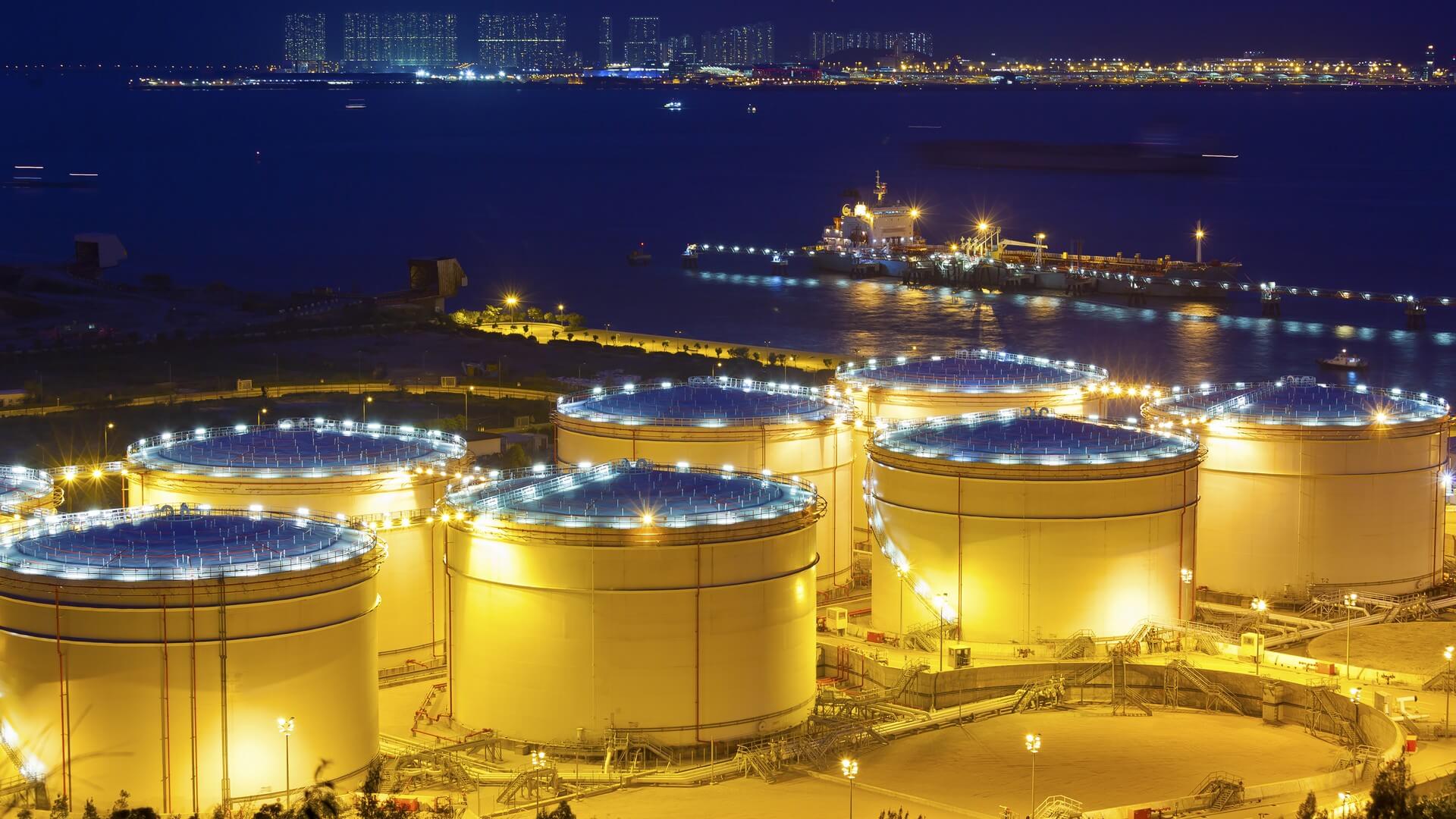
The vessels, originally destined for China and India, turned back toward the Suez Canal to avoid the Bab el-Mandeb strait. This maneuver follows the Houthis’ declaration of a naval blockade against any ships handling Saudi oil. While Saudi Arabia has diverted some exports through pipelines to the Red Sea port of Yanbu, the threat to the strait—a vital artery for global energy—has created immediate logistical gridlock.
Simultaneously, the conflict has spiraled into a multi-front exchange. U.S. forces have launched punitive strikes on Iranian command and missile sites, with reports of explosions near Shiraz. Iran has retaliated with drone and missile salvos targeting infrastructure across the Gulf, including power and desalination facilities in Kuwait and Bahrain. Amidst the chaos, shipping activity through the Strait of Hormuz has plummeted, exacerbated by reports of tankers catching fire after projectile impacts. While a senior Iranian official has floated the possibility of a 10-day ceasefire, President Donald Trump remains hesitant to engage, signaling a standoff that continues to rattle international energy markets and push U.S. gasoline prices past $4 a gallon.


Comments (0)
No comments yet. Be the first!