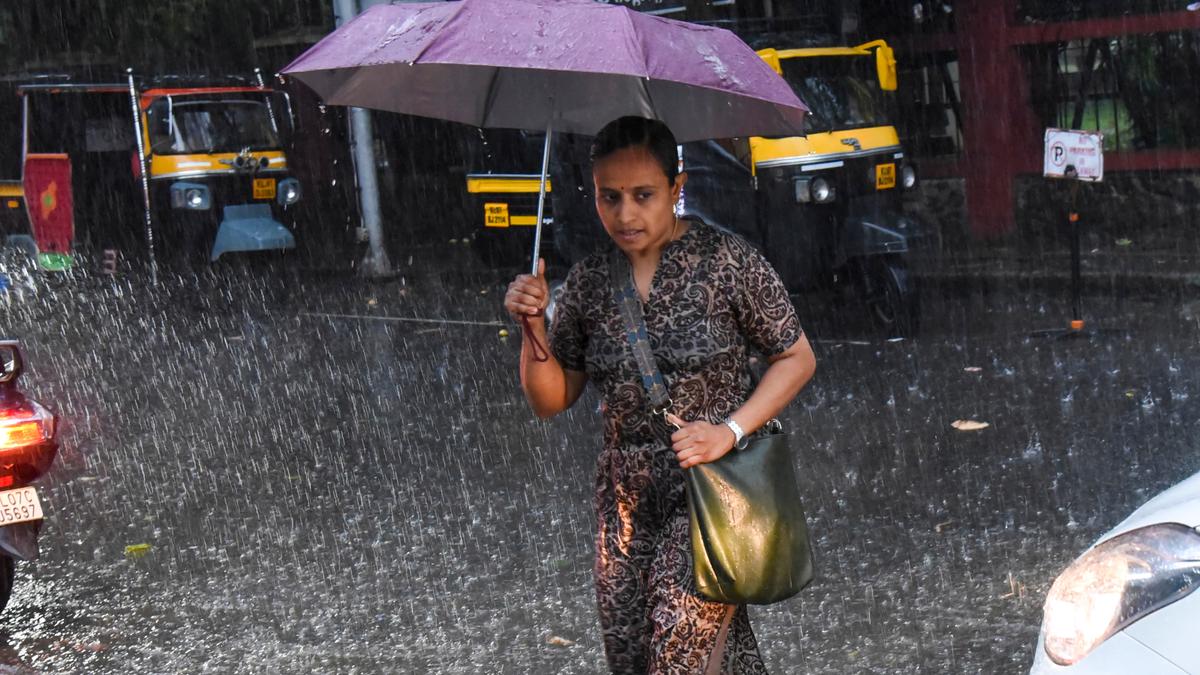
India’s annual monsoon cycle, stretching from June through September, serves as the primary engine for the nation's $4 trillion economy. These seasonal rains provide nearly 70% of the country's total precipitation, dictating the success of vital agricultural outputs like rice and cotton. The weather event typically migrates from the southern tip to cover the entire subcontinent by mid-July, sustaining the agricultural sector and replenishing essential water tables.
Despite the immediate relief, long-term projections remain concerning for India's economic stability. Meteorological forecasts anticipate the weakest monsoon season in over a decade by 2026. Experts point to the influence of El Nino as a primary driver for this potential deficit, warning that reduced rainfall could jeopardize crop yields, trigger food price inflation, and dampen broader economic growth metrics.




Comments (0)
No comments yet. Be the first!