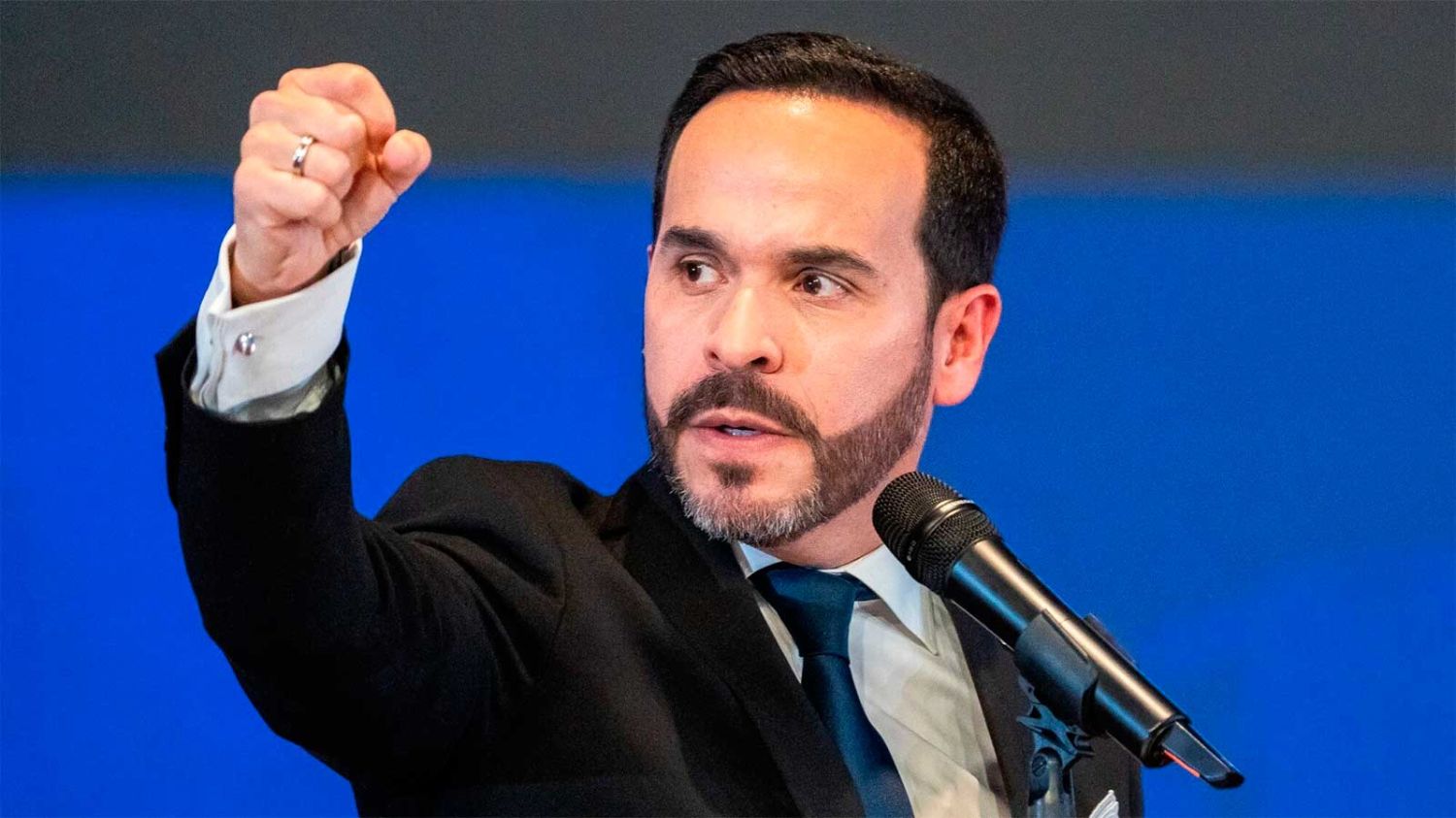
The legislation, a cornerstone of President Abelardo De La Espriella’s administration, forces a fundamental change in how the state handles guerrilla movements and criminal gangs. Unlike the previous approach, which utilized ceasefires and the suspension of arrest warrants to facilitate dialogue, this framework maintains full law enforcement operations during surrender processes. Arrest warrants and extradition procedures remain active, ensuring that those seeking leniency do not gain operational breathing room.
Under the new rules, surrendering members must provide intelligence on corruption networks, disclose political connections, and return kidnapped minors. Incentives are strictly performance-based: ordinary members may see sentences cut by 50%, while commanders are capped at a 30% reduction and face a minimum 10-year prison term. Furthermore, those who benefit from these terms are permanently barred from holding public office.
Government officials justify the pivot by citing a significant rise in the ranks of illegal groups, which grew from approximately 15,120 in 2022 to over 28,800 by July 2026. The administration argues that Petro’s negotiation-heavy strategy inadvertently allowed these organizations to expand their influence over drug trafficking and illegal mining corridors. While the legislation now awaits De La Espriella’s signature, the move signals a return to a security-first doctrine, testing whether conditional leniency can succeed where open-ended diplomacy struggled to curb decades of internal conflict.



Comments (0)
No comments yet. Be the first!