
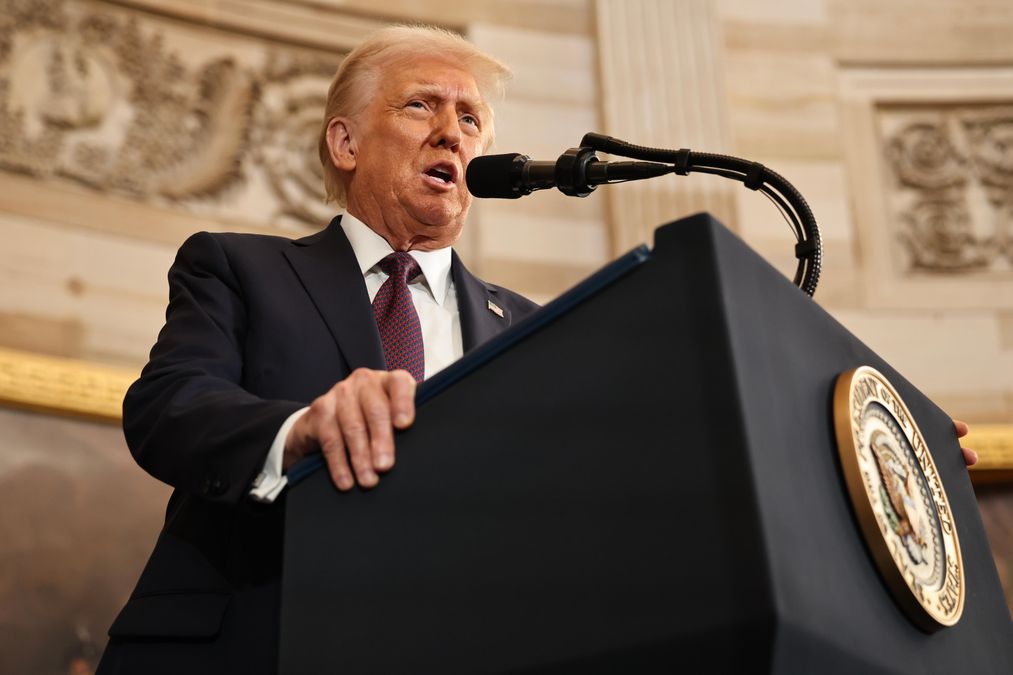
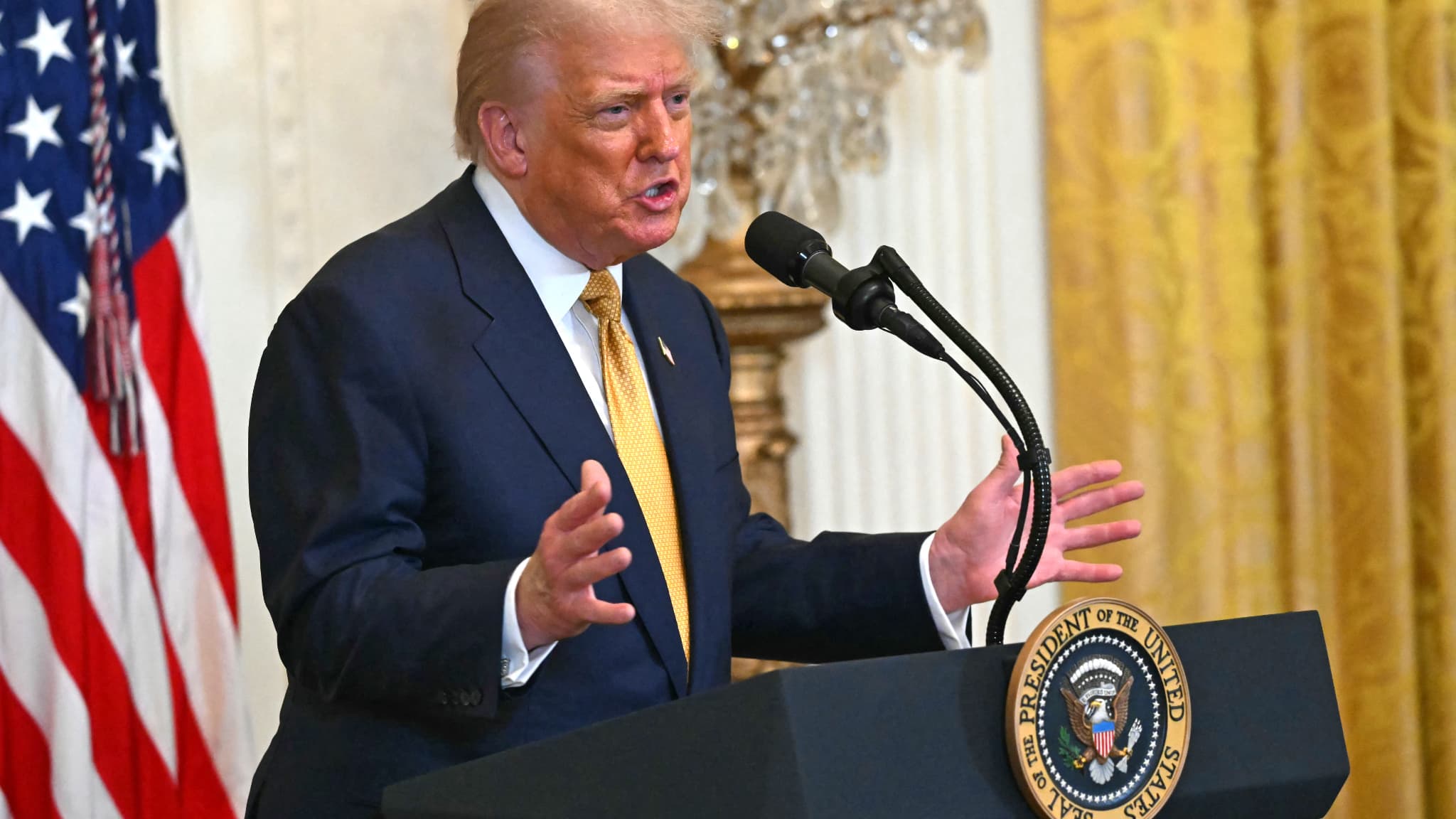
The race to succeed retiring Senator Gary Peters concluded with a decisive outcome for El-Sayed, who centered his campaign on economic relief, universal healthcare, and reducing corporate influence. By framing his platform around the everyday financial pressures of working families, he navigated a volatile political climate and held off a challenge from Rogers, a former congressman backed by Donald Trump. This win serves as a firewall for Democrats as they battle to maintain control of the Senate, proving that a progressive agenda can resonate in competitive, high-stakes environments.
Challenges and Campaign Dynamics
Throughout the contest, Rogers attempted to paint the Democratic challenger as a radical, leveling unsubstantiated claims regarding El-Sayed’s associations and questioning his stance on foreign policy. These attacks, which Democrats labeled as Islamophobic, were compounded by intense debates over the conflict in Gaza and US military aid. Despite this pressure, the Republican strategy struggled to gain traction against a candidate who kept the focus squarely on domestic affordability and the cost of living. For the Republican Party, the defeat marks a setback in their broader goal of expanding their Senate majority, as Rogers failed to overcome voter dissatisfaction with the current administration and the polarizing influence of the former president. As El-Sayed heads to Washington, he faces the task of translating his platform into legislative results within a deeply divided institution.


Comments (0)
No comments yet. Be the first!