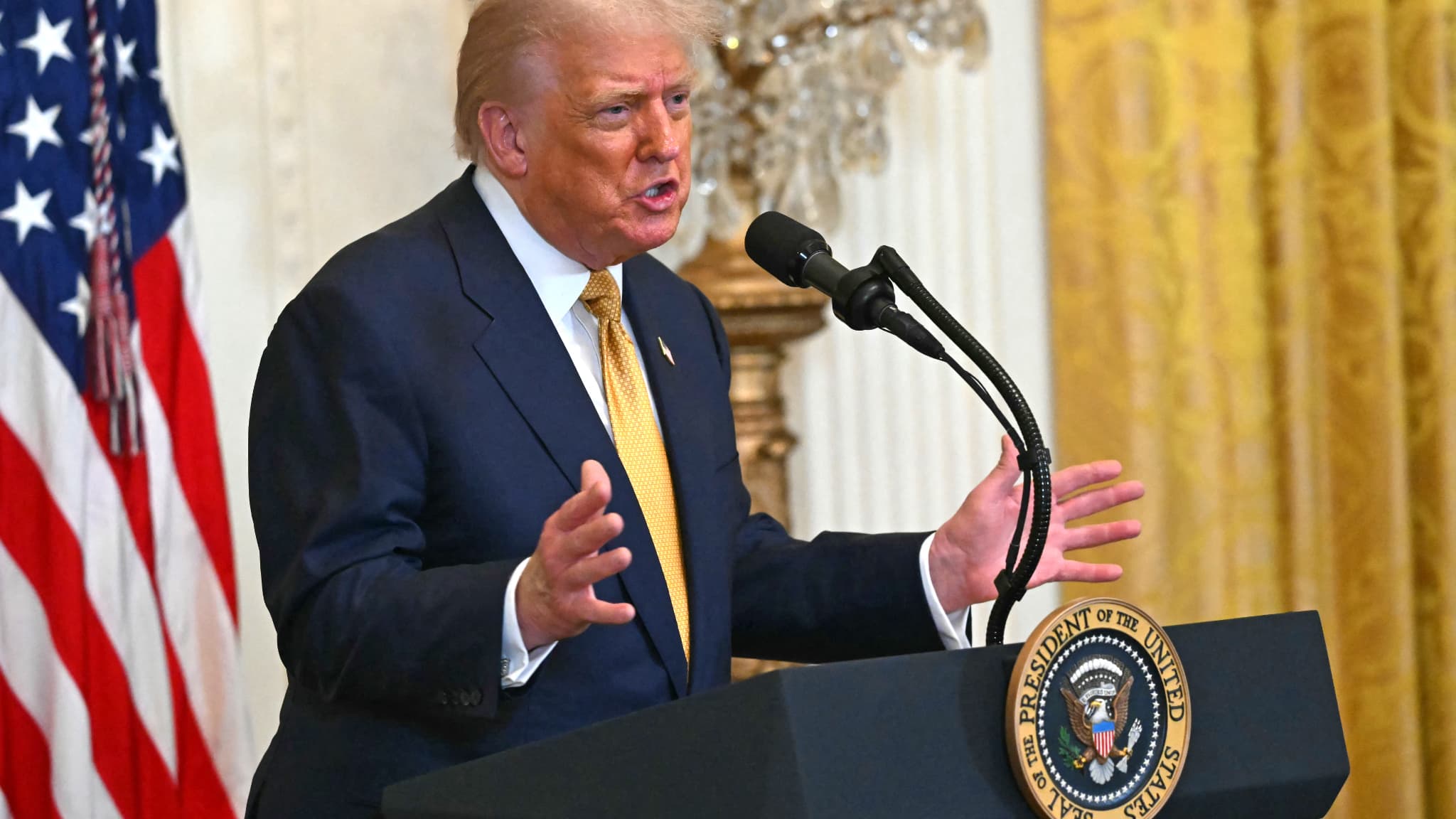
The electoral sweep, which saw Democrats flip seats across states including Ohio, Texas, and North Carolina, grants the party new mechanisms to challenge the White House. Laurel Rapp of Chatham House notes that while the president remains largely unconstrained in his executive execution of foreign policy, the Iran conflict—initiated by joint U.S.-Israel strikes on February 28—will face intense legislative scrutiny. Lawmakers are expected to wield the "power of the purse" to restrict military funding and attempt to force an end to U.S. involvement, though overriding a potential presidential veto remains a high hurdle.
Despite the legislative pivot, analysts caution against labeling Trump a "lame duck." J.C. Lintzenich of the German Marshall Fund emphasizes that Article II authority remains firmly with the White House regarding the ongoing crises in Iran and the war in Ukraine. The new dynamic shifts the focus toward statutory compliance, with an assertive Congress likely to demand stricter adherence to existing spending laws and rigorous oversight of executive actions that previously faced little resistance.

Comments (0)
No comments yet. Be the first!