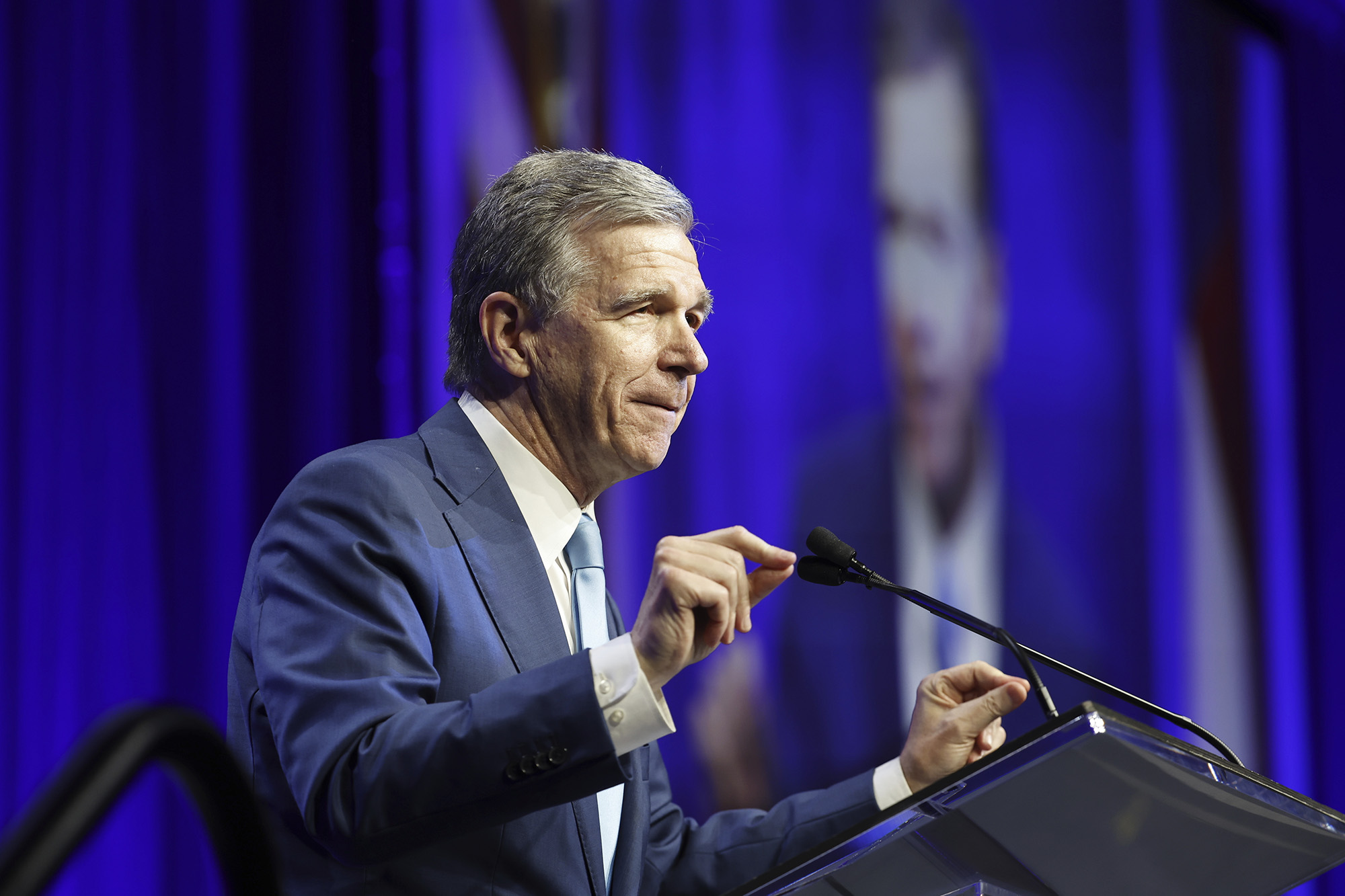
Cooper’s win, his seventh statewide electoral success, marks the first time North Carolina has sent a Democrat to the Senate since 2008. While the state frequently elects Democratic governors, it has long remained a Republican stronghold at the federal level. The defeat of Whatley, the former state and national party chairman, serves as a significant rebuke to Trump, who personally elevated the candidate and campaigned heavily on his behalf. Voters ultimately appeared more concerned with economic stability than the cultural grievances and personal attacks that defined Whatley’s campaign.
Throughout the contest, Cooper leaned into his established reputation as a moderate, focusing on the cost of gas, groceries, and healthcare rather than engaging in personal hostilities. This tactical discipline allowed him to secure the support of the state’s massive independent cohort, a group of 3.5 million voters who proved decisive. While Republicans relied on the legislative record of the 2025 tax and domestic policy law, voters signaled dissatisfaction, with many viewing Whatley as overly tethered to the former president. Cooper now prepares to succeed Republican Thom Tillis, who opted against a third term following public disagreements with Trump, leaving the seat open for a Democratic resurgence.



Comments (0)
No comments yet. Be the first!