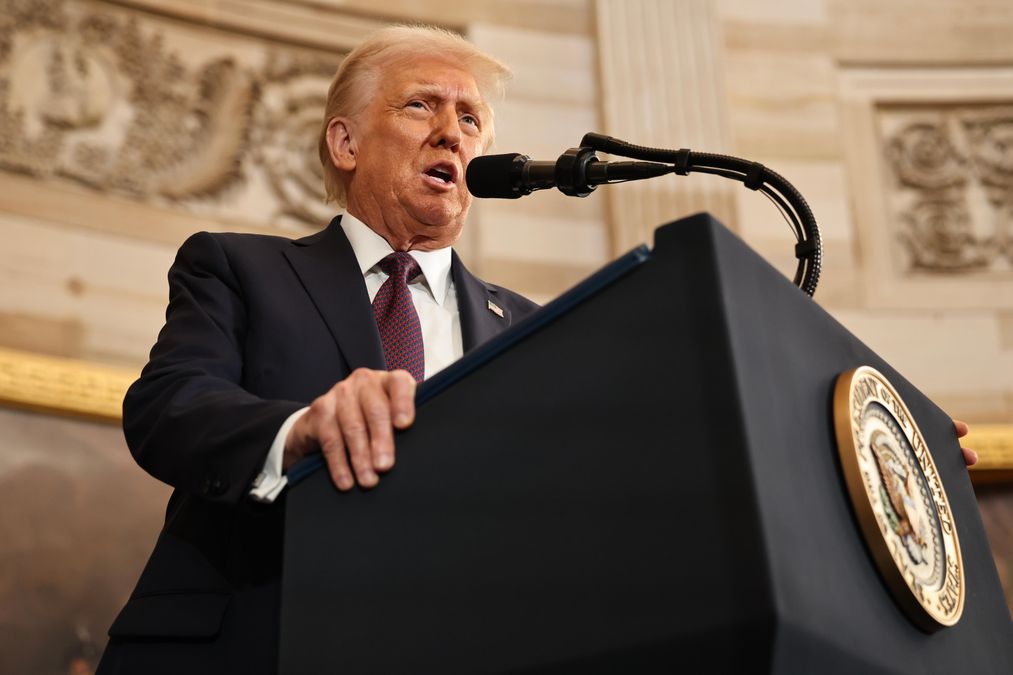
Republicans currently control the Senate with a 53-47 majority, but polling suggests a shift as voters express frustration over inflation, energy costs, and the Middle East conflict. If Democrats capture the House, they gain the authority to stall Trump’s policy goals and launch exhaustive probes into his administration. A Senate loss would further complicate his ability to appoint Supreme Court justices and senior officials, potentially marking a downturn in his political dominance.
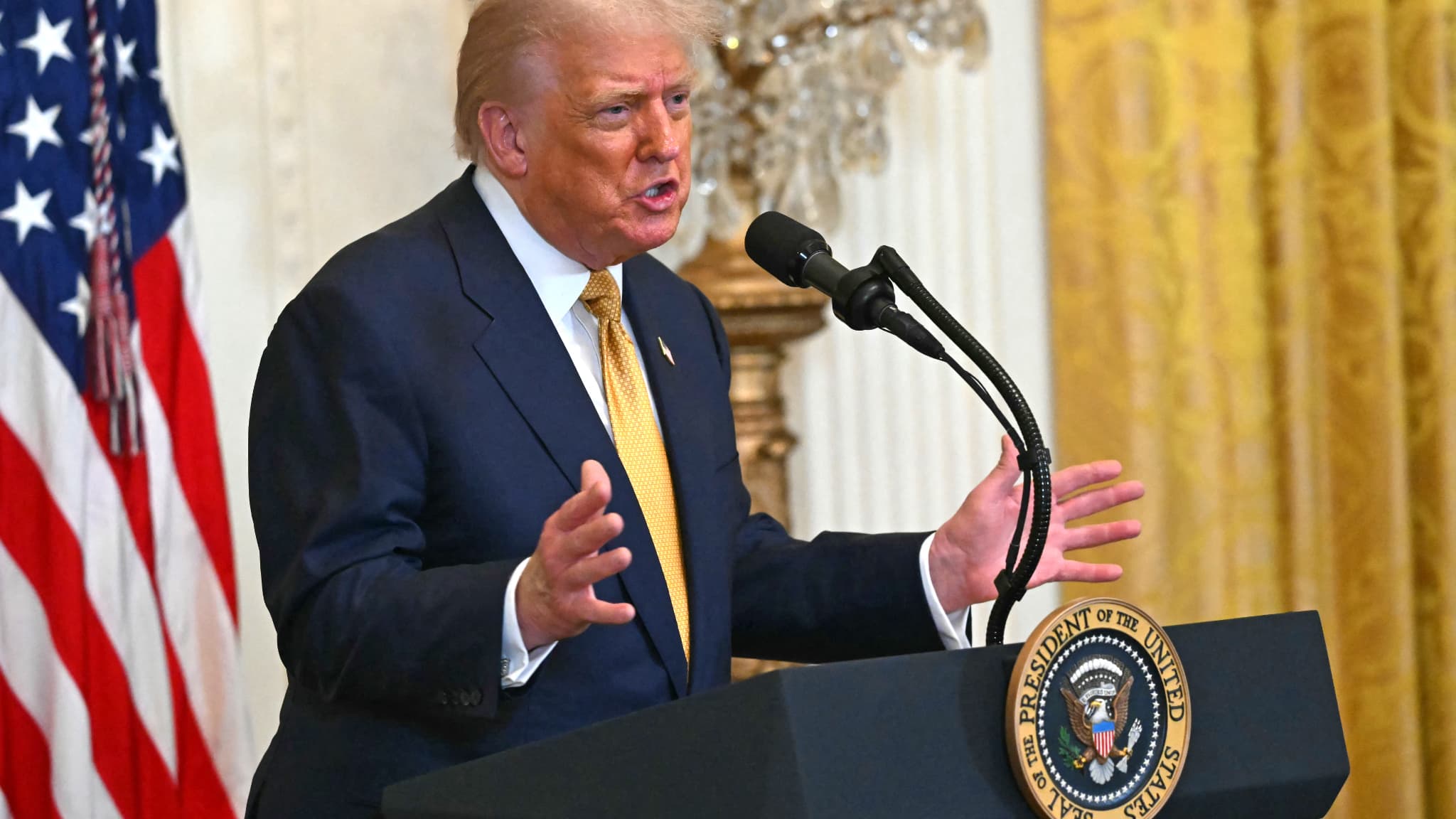
Campaign rhetoric has sharpened along ideological lines. While Trump defends his record on immigration and tariffs, supporters like 70-year-old Maru Restrepo argue that Republicans are the only party preserving traditional American values. Conversely, voters like Gabrielle Schlueter cite economic distress and healthcare concerns as primary drivers for a Democratic ticket. With over $11 billion spent on political advertising and high early-voting turnout, the election atmosphere remains volatile. Trump has already signaled his intent to use his veto power to block opposition efforts should he lose control of the chambers. Meanwhile, concerns over the integrity of the results persist, fueled by Trump’s unsubstantiated claims of fraud and isolated technical malfunctions, setting the stage for potential post-election litigation.



Comments (0)
No comments yet. Be the first!