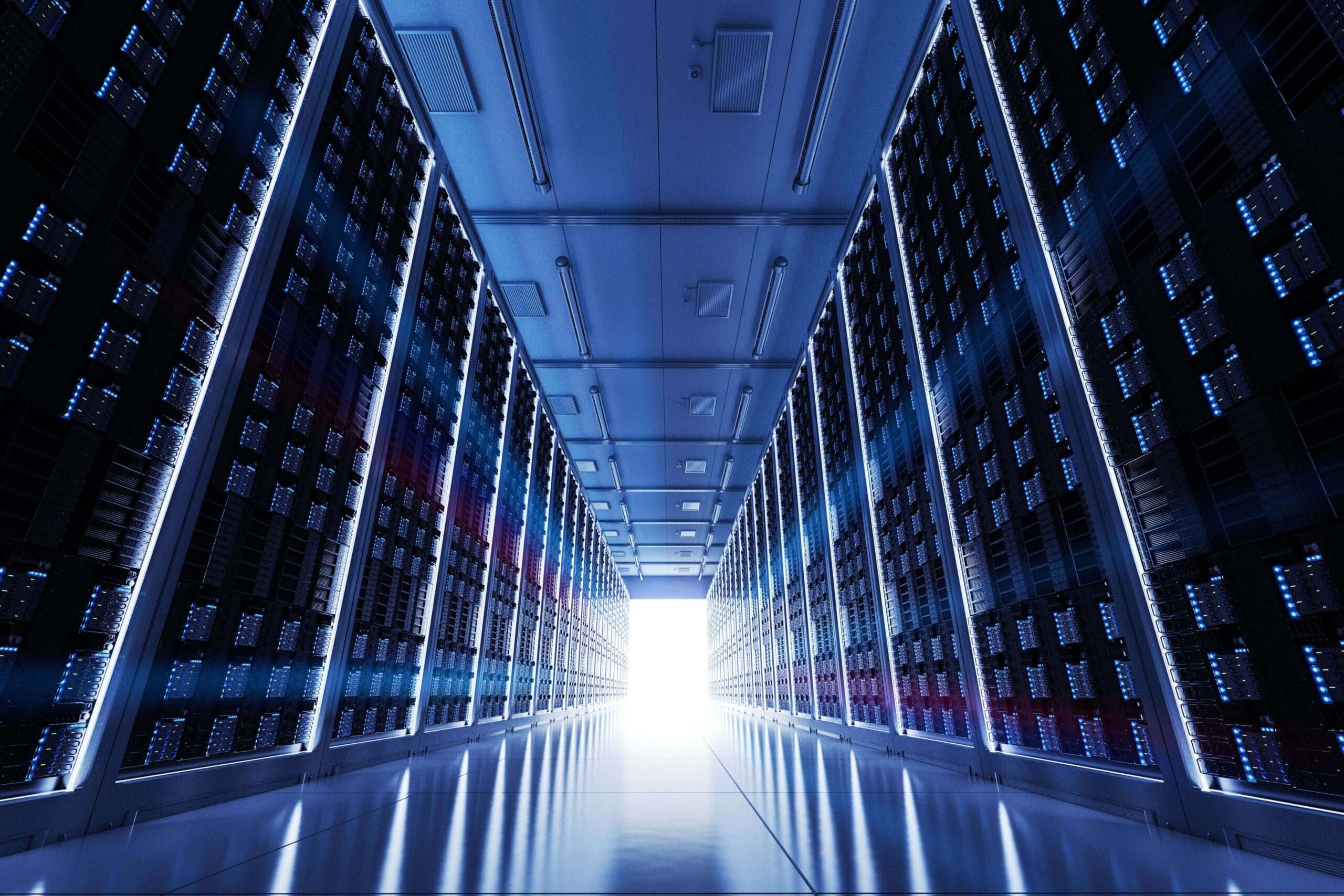
Across the United States, voters are turning data center expansion into a potent political weapon. With 843 local opposition groups active in 49 states, the surge in grassroots resistance has stalled at least 75 projects worth $130 billion in the first quarter of 2026 alone. This pushback is rooted in tangible economic anxiety: data centers can consume as much electricity as 100,000 homes, contributing to regional power rate hikes exceeding 25 percent in some areas. While candidates in states like Ohio have made these facilities a central campaign issue, both parties have struggled to offer a federal fix, leaving local county boards to decide the future of the nation’s computing capacity.
This domestic gridlock is inadvertently fueling a shift toward the Gulf. Projects like the UAE-US AI campus in Abu Dhabi, which aims for a 5-gigawatt capacity, face none of the zoning or ratepayer hurdles common in the U.S. Because these jurisdictions operate on state-priced energy and centralized planning, they offer a path of least resistance for hyperscalers. Consequently, the marginal gigawatt—the computing power required to train the next generation of frontier models—is increasingly drifting toward regions where permission is guaranteed, even as those areas face their own geopolitical risks from regional conflict. Without a federal mandate requiring large-scale power users to cover their own infrastructure costs, the U.S. risks keeping the intellectual property of AI while permanently offshoring the power plants that make the technology possible.



Comments (0)
No comments yet. Be the first!