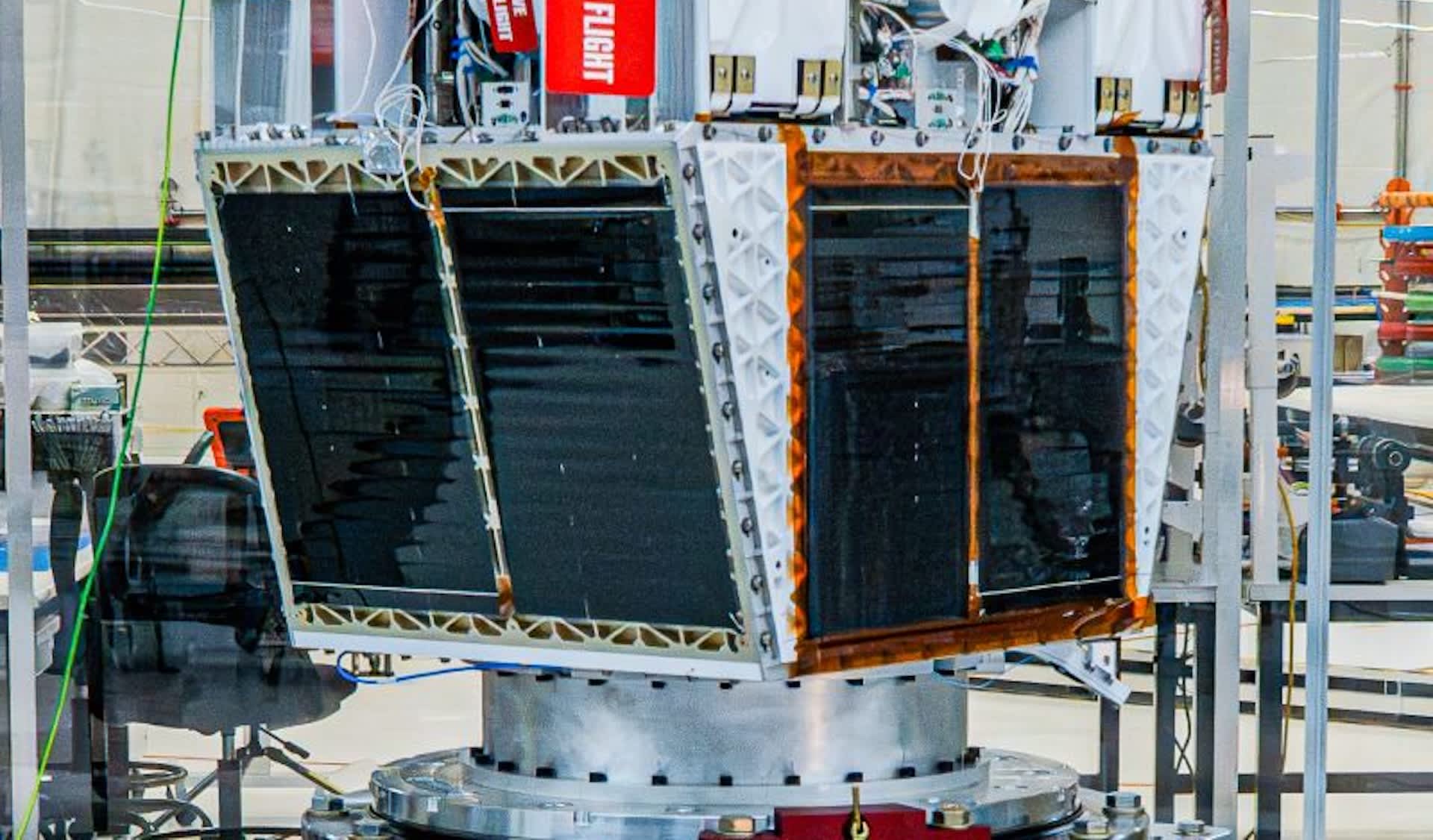
The project centers on 18-by-18-meter steerable mirrors placed in low-earth orbit, designed to illuminate specific five-kilometer patches of the surface upon customer request. By 2035, the company envisions a constellation of 50,000 satellites, beginning with the Earendil-1 demonstration craft. While Reflect Orbital markets the service as a tool for extending solar farm output and assisting emergency response teams, the proposal faces significant scrutiny.
A peer-reviewed study from August 2025 suggests that atmospheric scattering will cause the reflected light to bleed far beyond the intended target areas. Researchers estimate that even with precise positioning, the resulting sky glow could exceed the intensity of a full moon, potentially impacting regions that never opted into the service. Despite securing initial regulatory approval in July, the firm faces growing pressure from astronomers and environmental groups urging the Federal Communications Commission to revoke their license due to concerns over the disruption of nocturnal ecosystems and the integrity of the night sky.


Comments (0)
No comments yet. Be the first!