
Tehran is pushing for an accelerated timeline to reopen the waterway, with Foreign Minister Abbas Araqchi suggesting a potential two-day window for implementation—a significant reduction from the original seven-day plan. Deputy Foreign Minister Kazem Gharibabadi led the recent exchange of messages through Qatari intermediaries, emphasizing that the removal of the US naval blockade is a non-negotiable prerequisite for any final agreement.
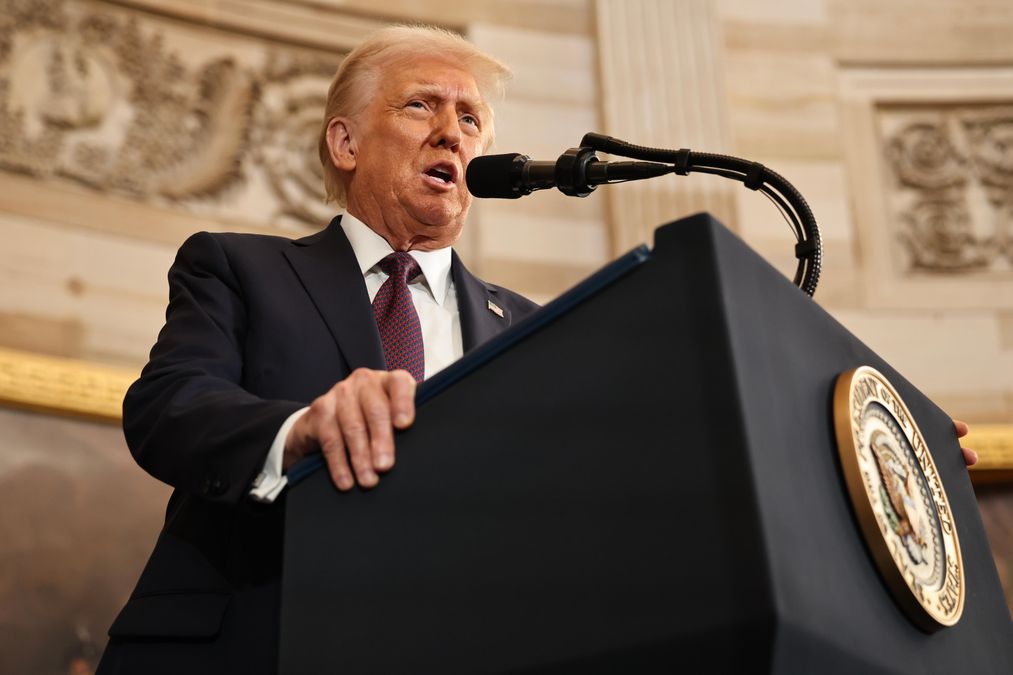
Despite the active circulation of this draft, substantial friction persists regarding the sequence of concessions. President Donald Trump, who previously rejected Iran’s initial proposal, has signaled that while current talks are productive, he leaves the door open for future military action. Iranian spokesperson Esmaeil Baghaei downplayed the potential impact of Tuesday’s US midterms, asserting that Tehran is focused on concrete policy shifts from Washington rather than electoral outcomes. With the Strait of Hormuz vital to global oil markets, the current diplomatic stalemate leaves the region balanced between a negotiated settlement and the threat of further escalation.



Comments (0)
No comments yet. Be the first!