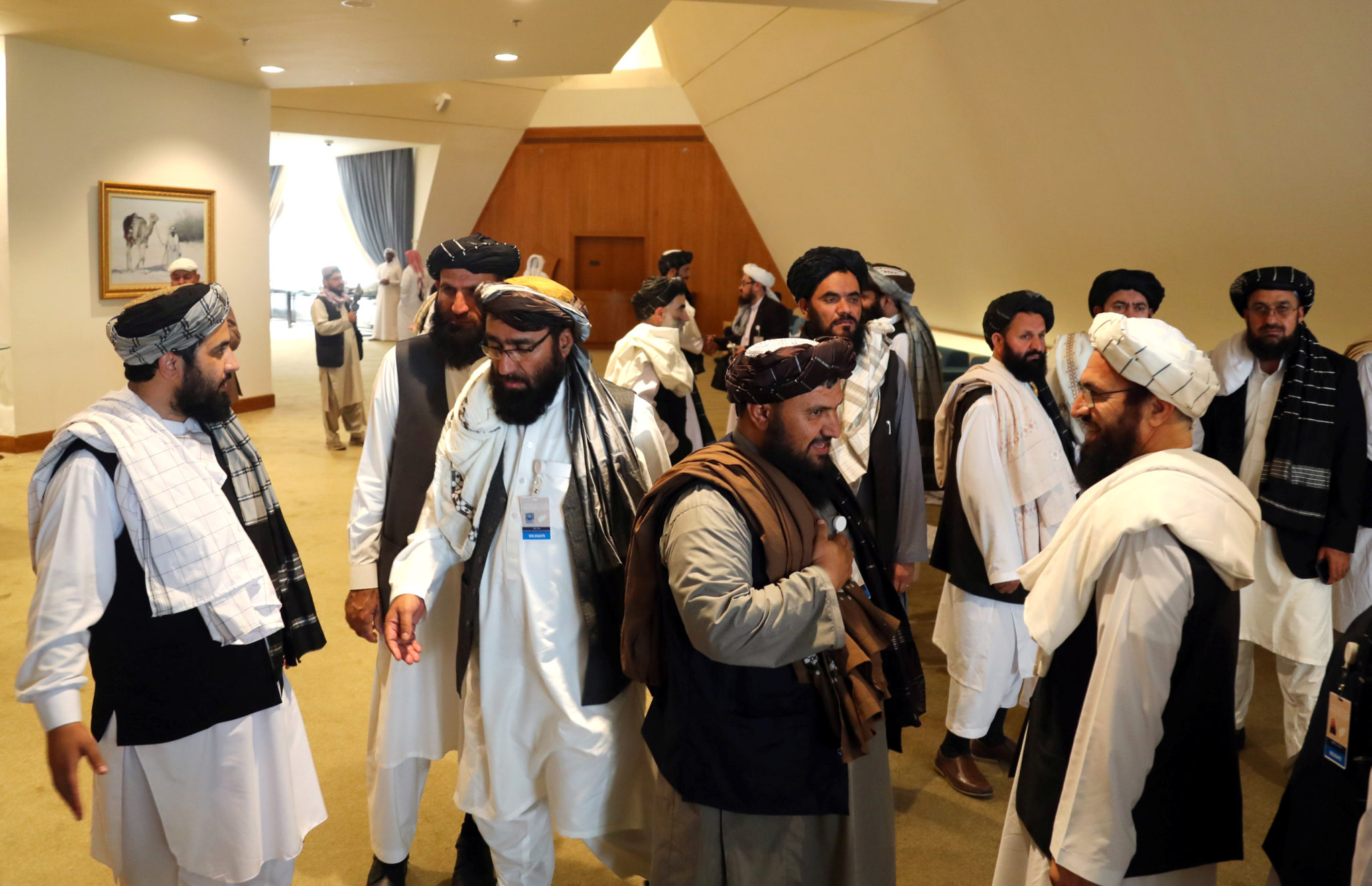
For five years, major powers have engaged the Taliban through fragmented, bilateral lenses, prioritizing narrow national interests—such as migration, mineral access, or specific counterterrorism goals—over a unified strategy. Russia, having removed the Taliban from its list of banned organizations in 2025, now frames Kabul as a pragmatic partner, even as its own security assessments acknowledge thousands of militants operating within Afghan borders. Similarly, China’s pursuit of regional stability and transit routes has failed to shield its citizens from violence, while European states, led by Germany, have prioritized deportation talks over human rights or security benchmarks.
This lack of a common baseline allows the Taliban to navigate competing agendas without making substantive concessions. While international actors seek to ring-fence investments and security cooperation, the UN’s 37th monitoring report confirms that groups like the Tehreek-e-Taliban Pakistan (TTP) and al-Qaeda continue to receive support from the de facto authorities. By decoupling engagement from verifiable security milestones, the international community has effectively granted the Taliban legitimacy and access without securing the regional stability they claim to seek. Unless these fragmented efforts coalesce into a coordinated framework tied to measurable outcomes, the Taliban will continue to dictate the terms of diplomacy while the region remains vulnerable to the militants Kabul refuses to disarm.


Comments (0)
No comments yet. Be the first!