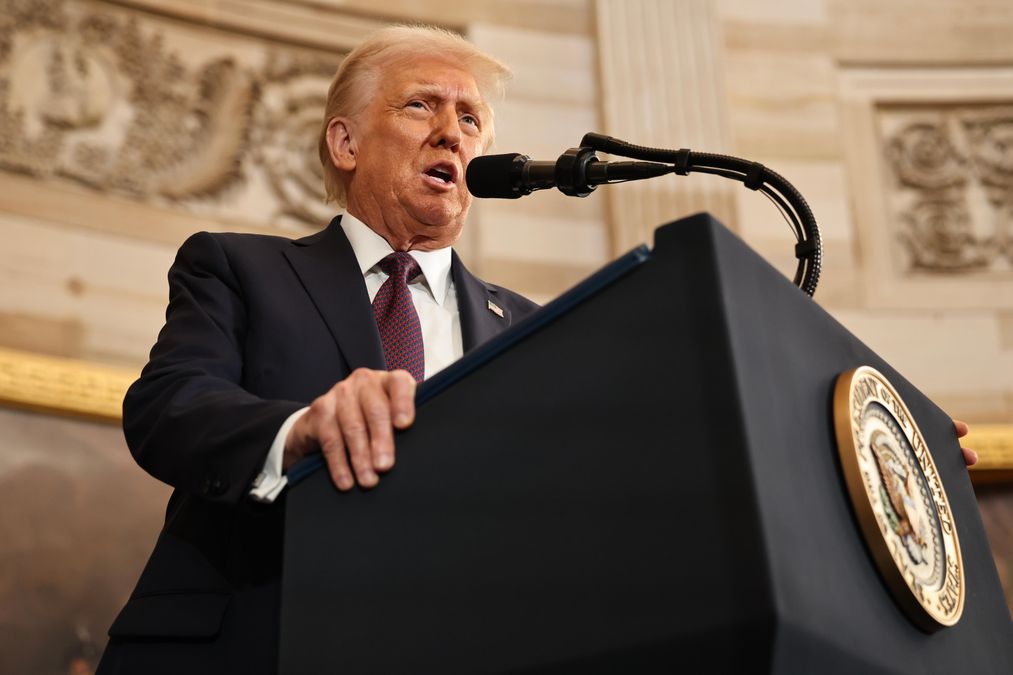
The political landscape in these states has shifted from reliable red to competitive territory, prompting an emergency visit from Donald Trump to Kansas to announce $8 billion in harvest support. This intervention follows a period of financial strain for agricultural communities, exacerbated by the 2025 trade conflict with China and the subsequent disruption of the Strait of Hormuz. The latter has driven up costs for essential inputs like anhydrous ammonia and pushed diesel prices to $6.30 a gallon, impacting not just farmers but entire rural workforces.
While Republicans historically rely on massive rural majorities to offset urban Democratic centers, recent polling suggests a thinning of those margins. Data from the Cook Political Report and various surveys indicate that the crisis is manifesting in three distinct ways: a decline in the GOP’s rural approval rating, a notable hesitation among usually reliable voters, and a decisive shift among independents. With farm bankruptcies climbing—up 19% in the first nine months of 2026—voters are increasingly weighing current cost-of-living pressures against long-term policy promises. The outcome now hinges on whether rural Republicans show up in force on Election Day or if the prevailing sense of economic frustration leads them to stay home, potentially altering the balance of the U.S. Senate.




Comments (0)
No comments yet. Be the first!