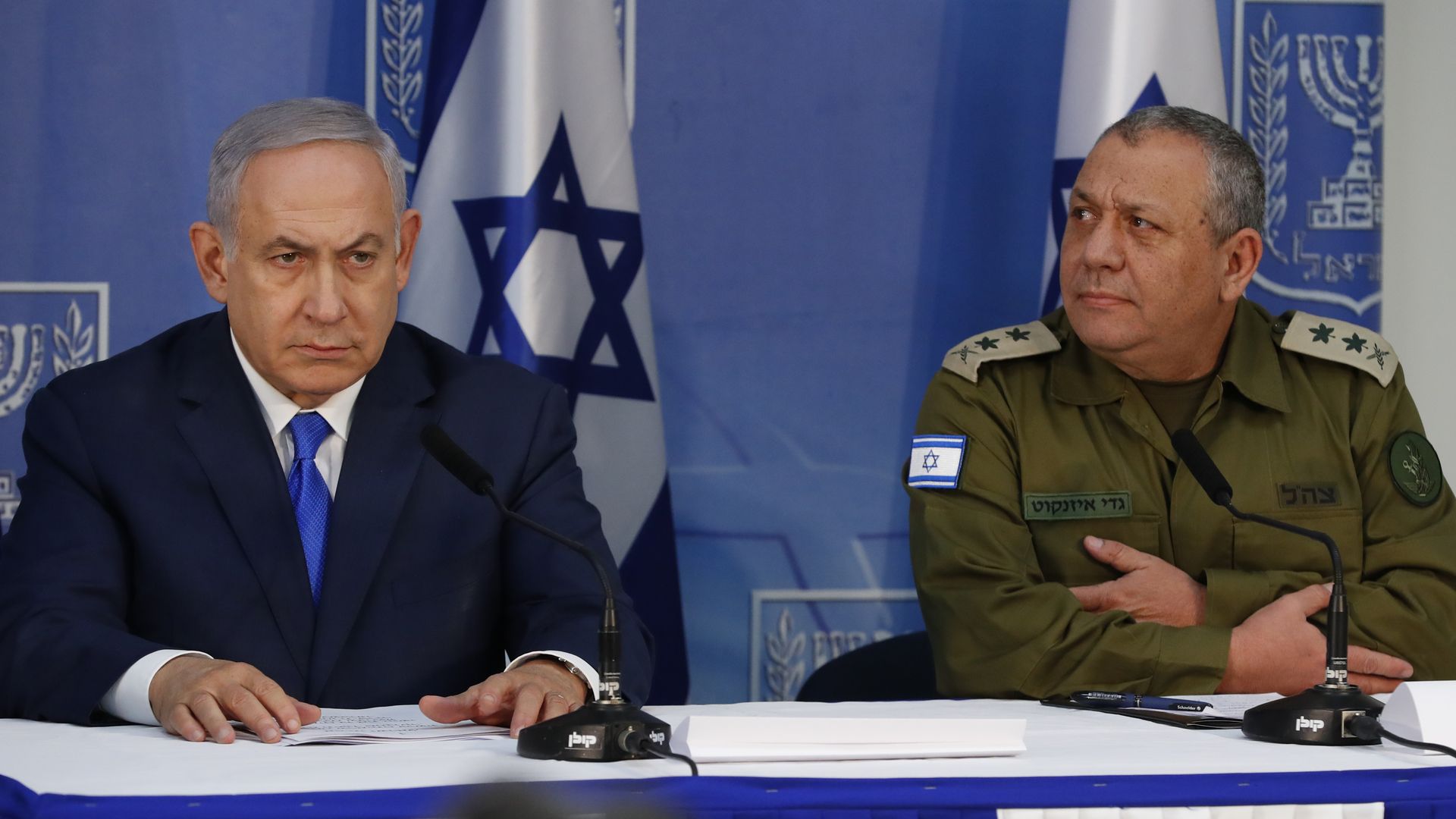
The Central Elections Committee confirmed that Netanyahu’s Likud party and its allies captured 53 seats, a notable decline from their 64-seat standing in 2022. Across the aisle, Eisenkot’s opposition bloc holds 48 seats, leaving both camps reliant on smaller factions to bridge the gap. Complexity is compounded by the record 19 seats won by Arab-led parties, a group most coalition players remain hesitant to integrate into a formal governing structure.
Simultaneously, Likud has leveled unverified accusations of foreign interference, suggesting external actors orchestrated a "takeover" of the legislature. Supreme Court Justice Noam Sohlberg, chair of the election committee, has requested a Shin Bet investigation into these claims, though Qatar—frequently cited in the allegations—has dismissed the narrative as dangerous rhetoric. As President Isaac Herzog prepares to begin consultations next week, the prospect of a national unity government or a return to the polls looms over a market already reeling from the uncertainty, with the shekel and Tel Aviv stocks facing significant pressure. Netanyahu, long considered the nation’s political "comeback kid," remains in office as a caretaker while the clock ticks toward the November 10 swearing-in date.

Comments (0)
No comments yet. Be the first!