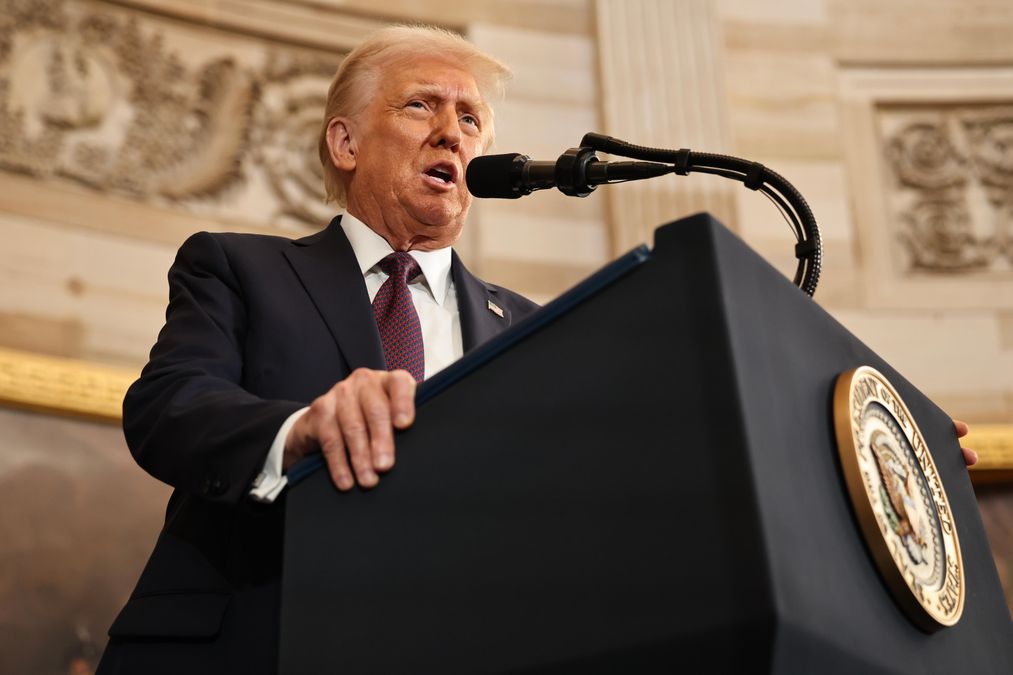
The directive stems from a recent executive order asserting that current frontier systems have surpassed the limitations implied by the term "artificial intelligence." White House spokesperson Liz Huston stated that the shift is intended to reinforce the administration’s focus on American innovation and the potential of these tools to improve the lives of citizens. By moving toward the "SI" designation, the White House aims to align government vocabulary with what it describes as a new era of technological capability.
However, the move has drawn scrutiny from researchers and legal scholars. Critics argue that "superintelligence" carries a distinct technical definition—referring to machines that exceed human cognitive abilities—which does not accurately describe the software currently in use. Furthermore, constitutional experts emphasize that while the president holds authority over executive branch communications, this power does not extend to private institutions or public discourse. Jamal Greene, a professor at Columbia Law School, noted that the administration lacks the legal standing to police language choices outside of federal documents, leaving the broader tech industry and media organizations free to retain existing terminology.



Comments (0)
No comments yet. Be the first!