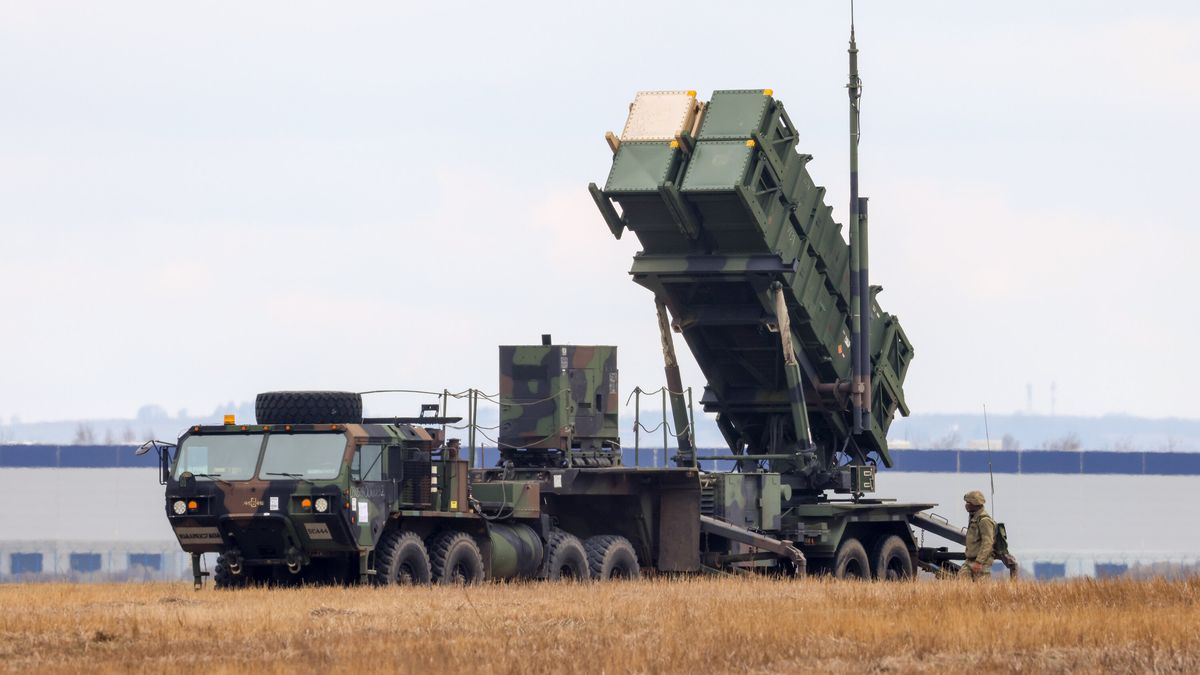
The US military is currently deploying a Patriot missile defense system from Texas while consolidating its regional footprint to mitigate vulnerability. Logistics are signaling an imminent surge: munitions stockpiles are being replenished and an additional aircraft carrier strike group is slated to join the twenty warships already patrolling Middle Eastern waters. These preparations coincide with a sharp rise in expenditures, with Pentagon data revealing the cost of the conflict has reached $47 billion—a 25 percent increase over July estimates. Much of this capital is funneled into replacing expended ordinance and lost hardware.
President Donald Trump has framed these maneuvers as a tactical necessity to force a diplomatic breakthrough, recently characterizing a potential new offensive as a follow-up to the earlier 'Operation Epic Fury.' While the administration maintains that the primary objective is to dismantle Iran's nuclear capabilities, the International Atomic Energy Agency reports no significant reconstruction at the Fordow, Natanz, or Esfahan sites since they were targeted in June 2025. Defense analysts suggest the renewed aggression serves as a strategic exit ramp, allowing the White House to claim further setbacks to Tehran’s atomic program before pivoting away from the theater.



Comments (0)
No comments yet. Be the first!