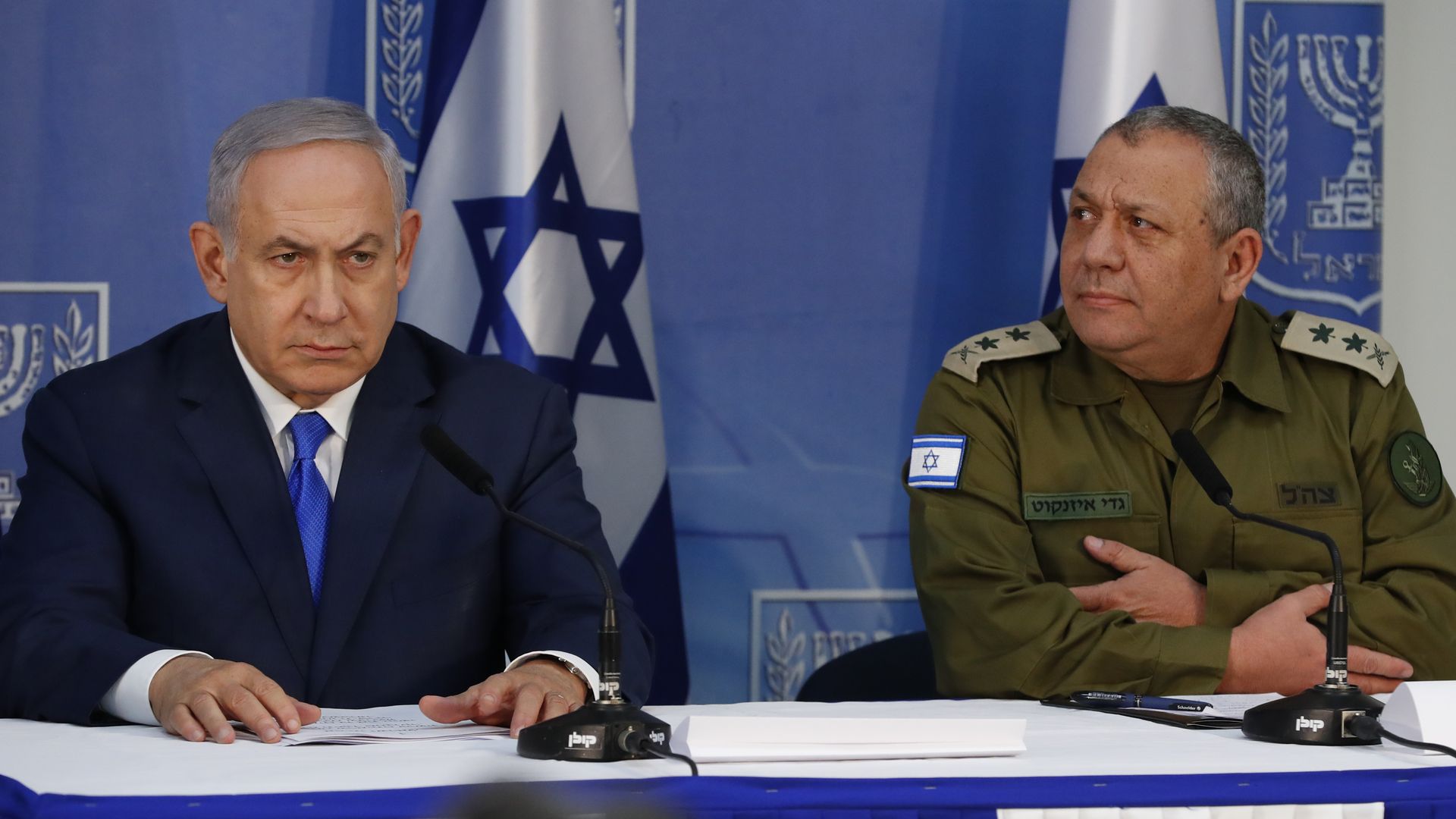
Early polling from Channel 13 indicates both major blocs locked at 51 seats in the 120-seat legislature, while other outlets like Channel 12 and Kan 11 show a marginal lead for Eisenkot. The balance of power rests on an unprecedented surge in turnout for Arab-led parties, projected to hold between 17 and 18 seats. Eisenkot, a former military chief of staff, has already claimed a mandate, citing a public loss of confidence in the incumbent’s administration. Official results are not expected until November 4, following a record-breaking 77.7% voter participation rate.
The political future hinges on whether either candidate can bridge the divide with these smaller factions. While Arab party leaders, including Ra'am’s Mansour Abbas, have signaled a readiness to influence the next government, traditional opposition figures like Avigdor Liberman remain hesitant to include them in a coalition. Netanyahu, meanwhile, has framed the high Arab turnout as a threat to his right-wing base, intensifying the rhetoric as he fights to maintain his tenure amid an ongoing corruption trial and international legal pressure. Analysts suggest the Prime Minister may leverage procedural delays to prolong his political survival, keeping the nation in a state of governing limbo.


Comments (0)
No comments yet. Be the first!