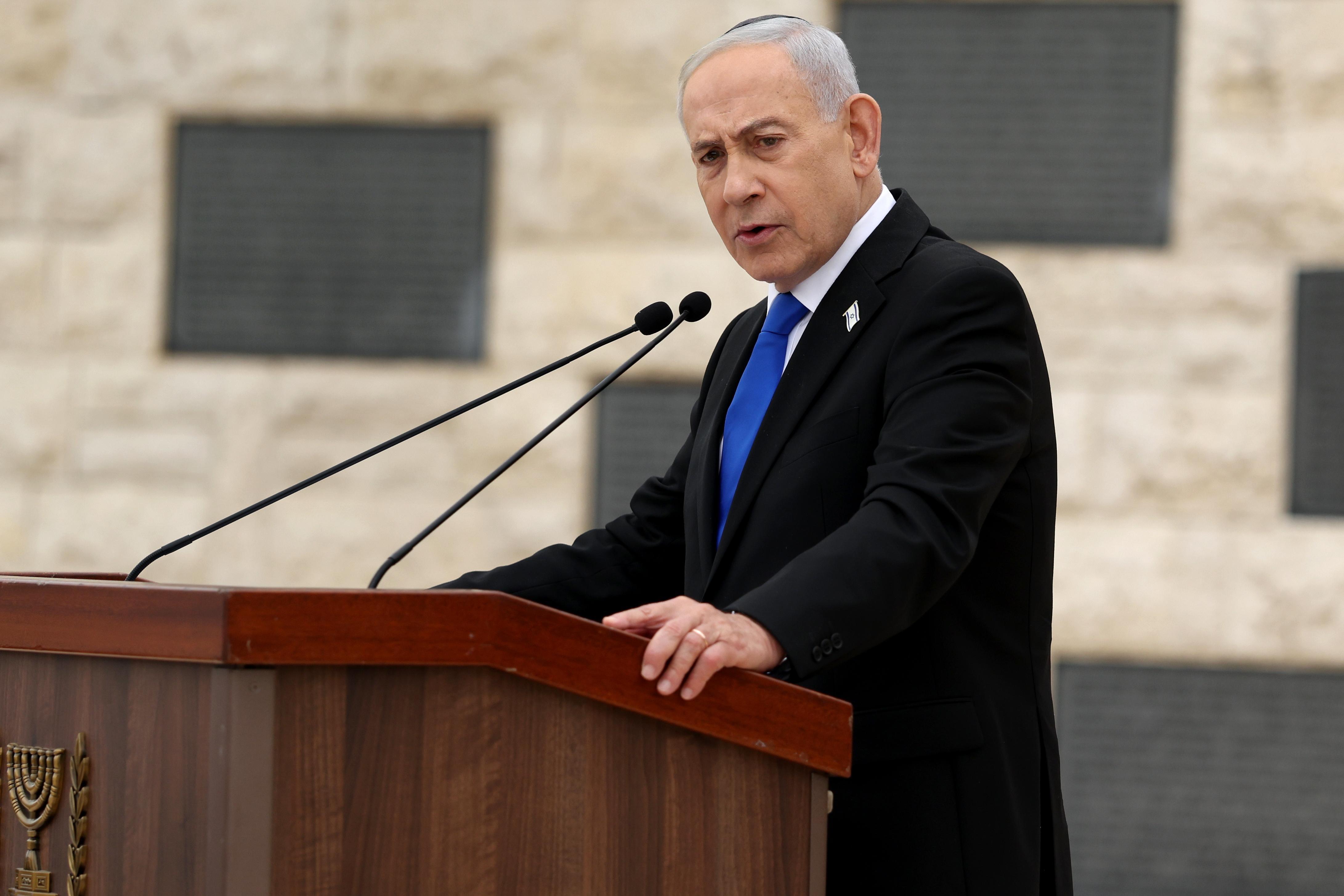
The surge in air travel comes as Prime Minister Benjamin Netanyahu faces a formidable challenge from former IDF chief Gadi Eisenkot. The election, the first since 2022, is framed by the ongoing conflict with Iran and domestic disputes over judicial reform and military conscription exemptions for ultra-Orthodox men. Political scientists expect voter turnout to hit 87%, shattering the 70% mark recorded in the previous cycle.
To manage the logistics, the America-Israel Democracy Coalition launched a "Fly & Vote" initiative. While political groups are legally barred from funding transportation, the organization has chartered flights and secured ticket blocks for expatriates, who pay for their own seats. Ora Peled-Nakash, the group's co-founder, maintains that their mission is strictly procedural, ensuring citizens retain a voice in the country's trajectory without endorsing specific candidates.
Commercial carriers are also absorbing the demand. Following the resumption of service by major international airlines, including United and Delta, travelers have found consistent, albeit expensive, options to reach Tel Aviv. As Sunday ticket prices for remaining seats hovered between $1,300 and $2,500, the high cost has not deterred those determined to participate in a vote that will likely dictate Israel's security and economic policy for years to come.


Comments (0)
No comments yet. Be the first!